
China announced measures on Thursday to strengthen its banking system, detailing plans to channel 300 billion yuan into state-owned banks this year through a special treasury bond and to advance reforms of state financial enterprises. The steps were set out in the annual government work report released at the opening session of the National People’s Congress.
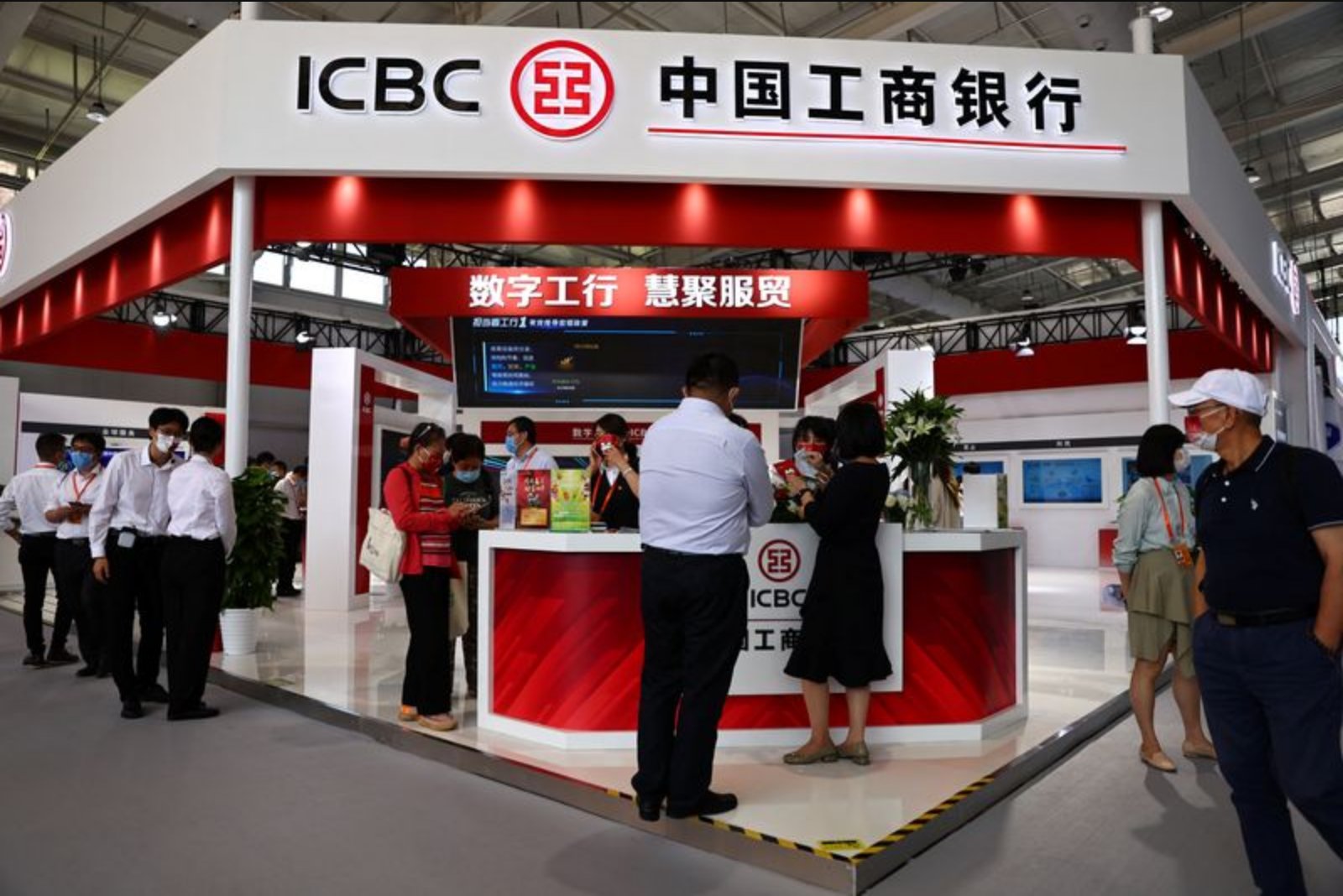
The report said Beijing will further replenish the capital of financial institutions and dispose of non-performing assets within the sector. Analysts cited in the report expect Industrial and Commercial Bank of China and Agricultural Bank of China to receive the latest round of funding after the finance ministry provided capital to four other state-owned banks last year.
Officials framed the interventions as measures to fend off systemic financial risks. The injection follows a recapitalisation program of about $72 billion implemented last year to boost large state banks’ core capital - a prior effort aimed at helping lenders cope with narrower profit margins and strains on asset quality.
Chinese lenders have been contending with mounting bad loans linked to troubled real estate developers and cash-strapped local governments. The government work report noted these pressures while outlining policies intended to stabilise the financial system as the world’s second-largest economy grapples with a prolonged property crisis, weak consumer confidence and deflationary pressure.
Beyond direct capital support, the report set out structural reforms. It says China will regulate competition among financial institutions and pursue consolidation of small and medium local financial entities. These steps are presented as part of a broader strategy to reduce fragmentation and strengthen resilience at the local and regional levels.
To shift funding patterns, the report also called for improvements in market access for medium- and long-term capital aimed at attracting more long-term investment into the stock market. Measures include expanding exit options for private equity and venture capital funds and raising the share of direct financing and equity financing in an economy that remains heavily reliant on bank lending.
The report included the exchange-rate reference used in the announcement: $1 = 6.8969 Chinese yuan renminbi.
Context and implications
The measures combine immediate capital injections with longer-term structural reforms. The funding is targeted at large state banks while parallel efforts seek to reduce the exposure of smaller, local institutions to concentrated risks. Officials emphasize both asset clean-up and moves to diversify financing channels away from bank dependence.
Details on the timing and specific allocation of the 300 billion yuan across institutions were not provided beyond the expectation that major state banks will be among recipients. The report signals a continued priority on stabilising bank balance sheets and encouraging non-bank financing channels.