
Economy March 19, 2026

China Presses New Materials Firms to Speed Innovation and Strengthen Self-Reliance

Industry minister convenes SME roundtable to urge R&D investment and coordinated policy support across the materials value chain

By Marcus Reed
China Presses New Materials Firms to Speed Innovation and Strengthen Self-Reliance

China's industry minister Li Lecheng held a roundtable with small- and medium-sized enterprises in the new materials sector, calling for accelerated breakthroughs in core materials and greater self-reliance. The ministry highlighted priorities including advanced basic materials, critical strategic materials, cutting-edge new materials and the intersection of AI and materials, and pledged enhanced policy coordination, talent support and end-to-end collaborative innovation.

Key Points

  • China's industry minister convened a roundtable with small- and medium-sized enterprises in the new materials sector to press for faster innovation.
  • The ministry identified four priority areas: advanced basic materials, critical strategic materials, cutting-edge new materials, and "AI + Materials." - Sectors impacted include materials manufacturing, advanced technologies and industries reliant on specialized inputs.
  • Officials pledged to strengthen policy coordination, talent supply and end-to-end collaborative innovation to support R&D and improve self-reliance in key materials.

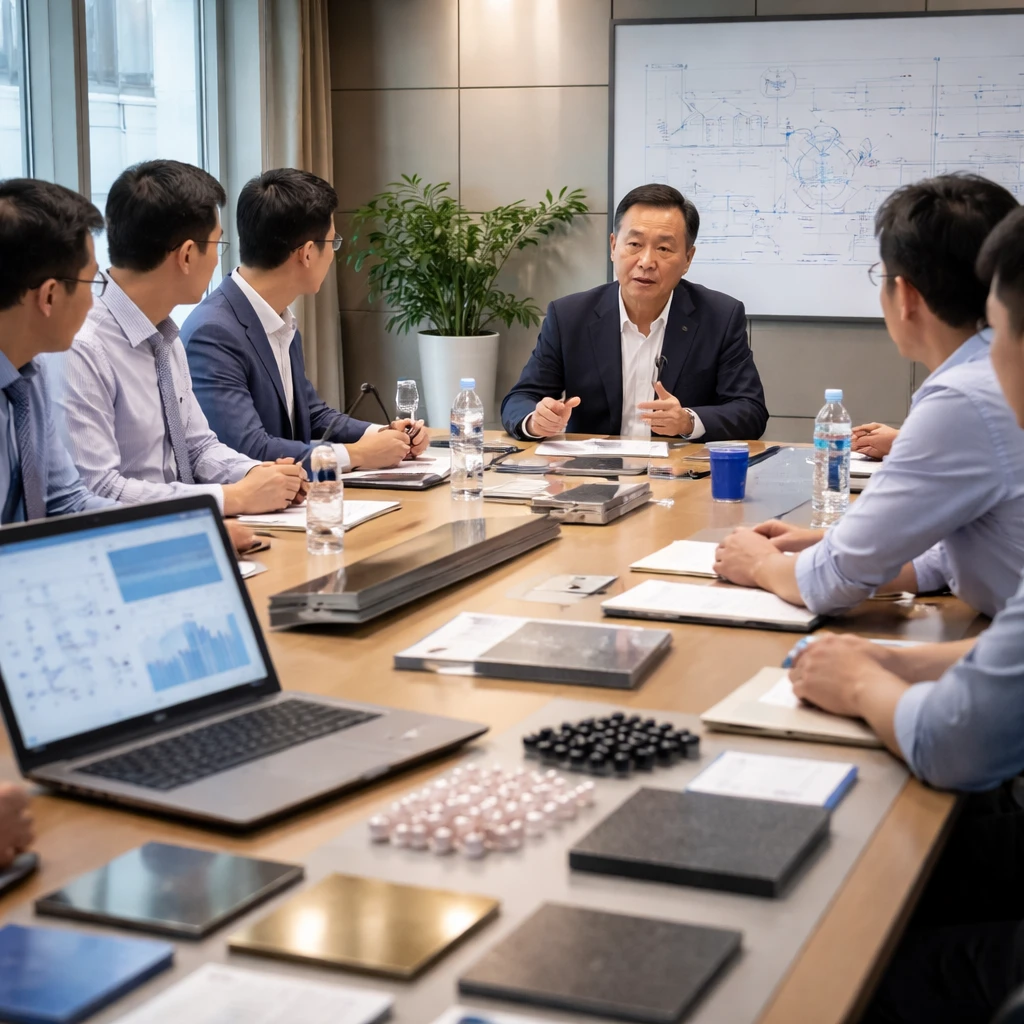
China's industry minister Li Lecheng on Thursday led a roundtable meeting with small- and medium-sized enterprises operating in the new materials sector, urging those firms to step up innovation and to push for faster technical breakthroughs in crucial materials, according to a statement from the ministry.

Li stressed that modernizing and upgrading the new materials industry holds strategic importance for what the ministry described as China's high-quality development agenda. He outlined a set of priority areas that the ministry will emphasize going forward: advanced basic materials, critical strategic materials, cutting-edge new materials, and initiatives combining artificial intelligence with materials research - summarized internally as "AI + Materials."

The ministry said it would intensify policy coordination and bolster the supply of talent, while promoting collaborative innovation that spans the full value chain. Those measures are intended to support firms' research efforts and encourage cooperative approaches from raw inputs through to end uses.

Representatives from eight enterprises were present at the roundtable. The statement did not disclose the names of those companies.

During the meeting, Li urged the attending firms to lift the degree of self-reliance and security in key materials that serve critical sectors, and to increase investment in research and development. The ministry framed these steps as necessary to strengthen domestic capabilities in core technologies within advanced materials.

The announcement reiterated a broader policy direction: China is pursuing stronger capabilities in key core technologies in target areas, with an emphasis on advanced materials, in the context of intensifying competition with the United States. The ministry's message centers on building domestic technological strength through focused innovation, talent development and coordinated support across public and private actors in the sector.


Summary of the session

  • Li Lecheng chaired a roundtable with SMEs in the new materials sector, calling for faster breakthroughs and stronger innovation.
  • The ministry highlighted advanced basic materials, critical strategic materials, cutting-edge new materials and "AI + Materials" as priority areas.
  • Authorities pledged enhanced policy coordination, talent supply and end-to-end collaborative innovation; eight firms attended but were not named.

Risks

  • The ministry did not name the eight attending enterprises, which limits public transparency about which firms are directly engaged - this creates uncertainty for stakeholders tracking corporate involvement.
  • Efforts to accelerate self-reliance and core-technology development are framed against intensifying competition with the U.S., signaling geopolitical pressure that could affect the pace and direction of materials-sector investment and collaboration.
  • The call for increased R&D spending and talent supply implies resource and capability gaps that firms must address; the scale and timing of those adjustments remain unspecified, creating execution risk for companies in the sector.

More from Economy

China detains traffickers in new crackdown on fentanyl precursor chemicals Mar 19, 2026 Orban Conditions EU Aid for Ukraine on Restoration of Druzhba Oil Flows Mar 19, 2026 Serbia Extends Ban on Crude and Fuel Exports Through April 2 to Protect Domestic Supply Mar 19, 2026 Swiss Watch Exports Resume Growth in February Led by U.S., Japan and France Mar 19, 2026 UK stocks slide as Middle East fighting deepens; BoE decision in focus Mar 19, 2026