
Summary
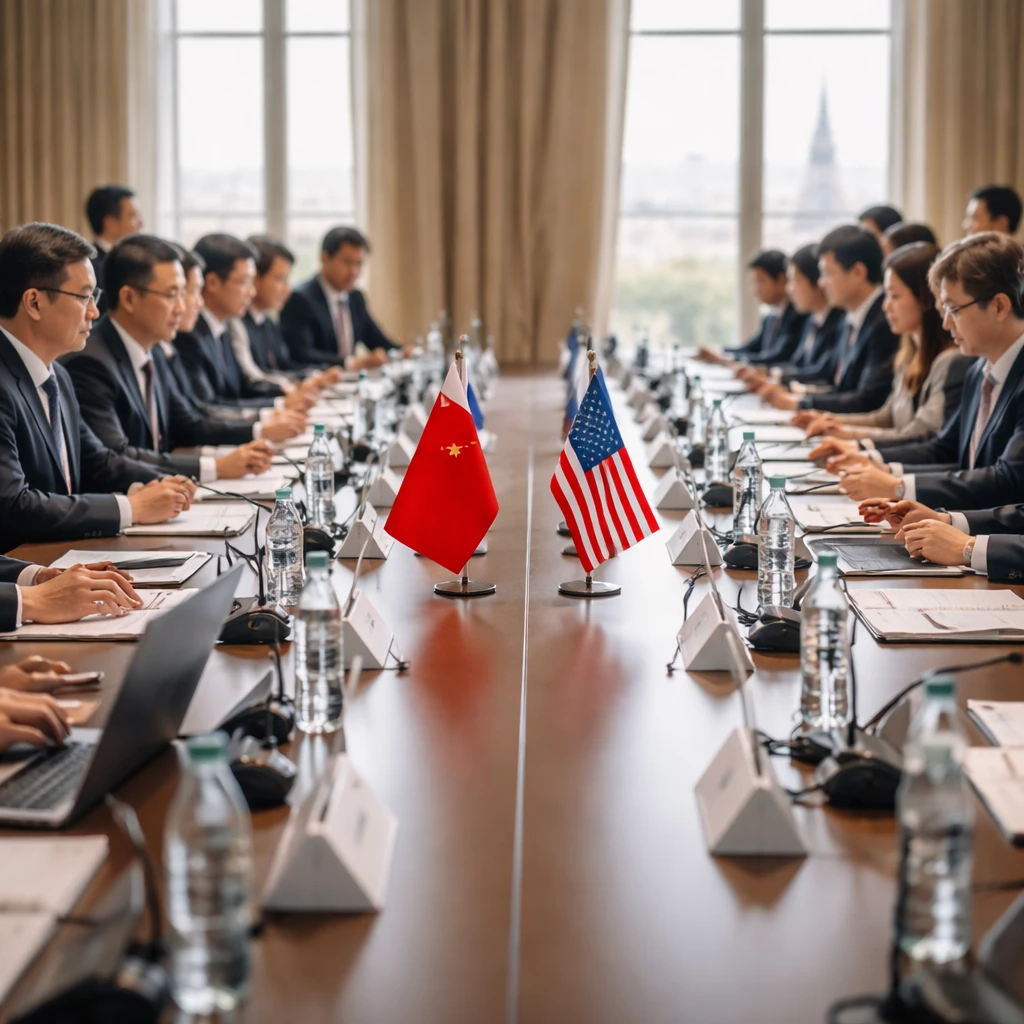
Chinese trade official Li Chenggang announced Monday that negotiators from China and the United States achieved a preliminary consensus during trade discussions convened in Paris. The talks touched on a range of trade and economic concerns that both sides regard as important, and participants agreed to keep engaging through follow-up consultations.
Details of the Paris talks
Li said the discussions in Paris addressed trade and economic issues of significance to both countries. He confirmed that, during the talks, China formally noted the United States' deployment of restrictive measures directed at China and raised objections to Section 301 probes as part of the negotiations.
According to Li's account, China opposes unilateral investigations of this type and will monitor the progress of those probes closely. He emphasized a mutual recognition that stable trade relations are in the interest of both nations and expressed hope that the United States will honor its commitments and meet China halfway as discussions continue.
Follow-up and process
Li confirmed that the two parties intend to maintain engagement after the Paris meeting through further consultations. The announcement did not provide a detailed schedule or specific outcomes beyond the preliminary consensus and the commitment to continue talks.
What Section 301 probes are
The negotiator noted that the Section 301 probes in question are U.S. trade investigations that can result in tariffs or other trade restrictions on countries accused of unfair trade practices. Li framed China’s stance as opposing unilateral use of such probes and said China will keep a close watch on their progress.
Context and limitations
The public account of the Paris discussions centers on the preliminary agreement to continue dialogue and on China’s objections to U.S. measures and probes. The announcement did not elaborate on specific concessions, timelines, or the precise issues covered beyond the general areas described by Li.