
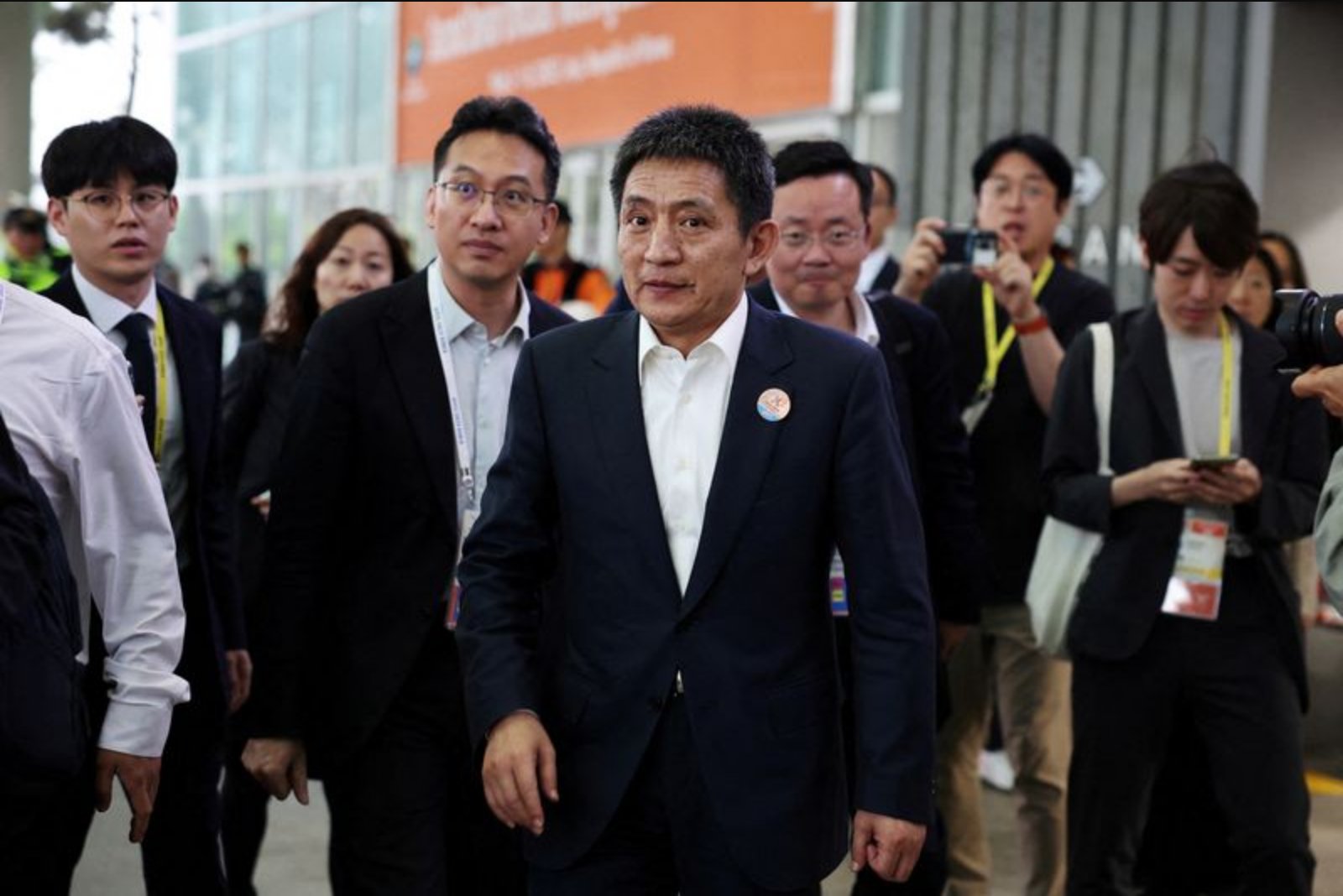
BEIJING - China’s lead trade negotiator Li Chenggang and Mexico’s Deputy Economy Minister Vidal Llerenas met in Beijing on Monday for the first direct talks since Mexico introduced higher tariffs on Chinese goods, Chinese Commerce Ministry officials said on Thursday.
The Commerce Ministry described the meeting as an in-depth exchange covering bilateral economic and trade relations and other related topics. The session marks the first face-to-face engagement between the two sides since Mexico moved in December to raise tariffs sharply on imports from China and other nations that do not have free trade agreements with Mexico.
Mexico’s December tariff changes imposed steeper duties - in many cases up to 35% - across thousands of product lines. The tariff list explicitly targets categories including automobiles and auto parts, textiles and clothing, plastics and steel. Mexican President Claudia Sheinbaum framed the policy as an effort to boost domestic production and correct trade imbalances.
Analysts widely interpreted Mexico’s tariff hike as politically calibrated to placate U.S. President Donald Trump, who has previously levied sizable tariffs on Chinese goods. The higher duties are expected to hit China particularly hard - China is Mexico’s second-largest trading partner after the United States.
China’s Commerce Ministry had publicly urged Mexico to "think twice" before moving forward with the tariff increases and warned it would take steps to safeguard its legitimate rights and interests. To date, Beijing has not formally announced retaliatory measures.
In a separate development noted in the run-up to this bilateral meeting, China’s largest automaker BYD said it was considering building a factory in Mexico in 2024. Media reports published in March indicated that Chinese authorities have delayed approval for the plant, citing concerns over potential technology leakage to the United States.
The talks in Beijing coincide with a broader regional trade review: the United States, Mexico and Canada are preparing a joint review of their free trade agreement to conclude by July 1. U.S. trade officials have signaled that the existing pact does not adequately address surges of exports and investment from non-market economies such as China into the region.
That stance suggests the United States may push for stricter rules on China-origin goods in any updated agreement, a move that could constrain the ability of Chinese firms to use Mexico as a base for exports to the U.S. The potential tightening of rules is part of the backdrop to the bilateral Beijing talks and the tariff dispute.
Officials on both sides did not provide further details about specific outcomes from the Monday meeting. The Chinese Commerce Ministry statement focused on the fact of the in-depth exchanges rather than announcing concrete agreements or timelines for follow-up measures.
The meeting underscores ongoing tensions between trade policy objectives and regional economic integration as governments balance efforts to protect domestic industries with pressures arising from cross-border supply chains and geopolitical considerations.