
Global monetary policymakers confront renewed uncertainty as the conflict in the Middle East pushes energy prices higher and disrupts expectations for inflation and interest rates. The weeks ahead bring a string of central bank decisions and meetings - from the United States and Canada to Europe, Japan, Australia and several emerging market economies - offering markets fresh guidance at a fraught moment.
Below is a thematic rundown of the key issues policymakers and markets will face in the coming days.
1 - Energy supply disruption keeps prices elevated
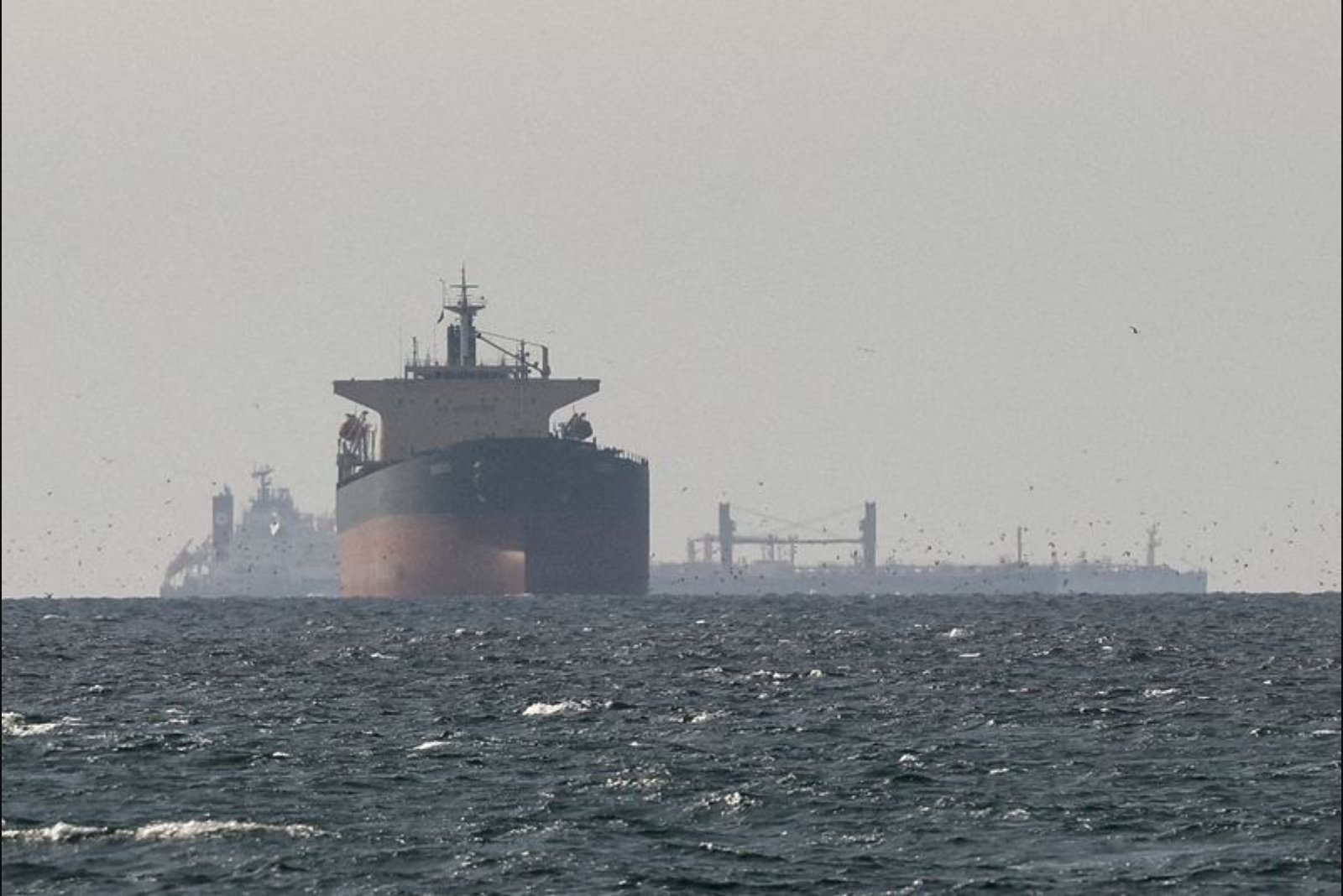
The war in the region has driven a clear spike in energy costs, with oil oscillating around the $100 per barrel mark and natural gas prices surging. The conflict has produced direct damage to oil loading and transport facilities across the Middle East, tankers have been set on fire in the Gulf and Iran’s new Supreme Leader Mojtaba Khamenei has called for the Strait of Hormuz to remain closed. These developments have led traders to consider the prospect that even a ceasefire would not immediately restore normal flows of oil, natural gas, fertiliser and other petrochemical products. For forecasters and central banks alike, these disruptions complicate an already difficult projection of inflation and growth.
2 - The U.S. policy outlook: cooling labour data meets hotter energy costs
February’s weaker-than-expected U.S. jobs report has reinforced arguments for further rate cuts that some political figures, including former President Donald Trump, have long advocated. That backdrop makes the Federal Reserve’s two-day meeting - which concludes midweek - especially consequential. The Fed is widely expected to leave its policy rate unchanged for a second meeting, following last year’s easing steps designed to support the labour market.
However, the recent spike in oil prices has complicated the rate-cut narrative. Fed funds futures show investors have scaled back the odds of multiple rate reductions this year as higher energy costs add to already elevated inflation readings relative to the Fed’s target. The confluence of sticky inflation risks and political pressure has the potential to widen tensions between the central bank and those urging faster easing.
Canada’s central bank meets on the same day as the Fed and, looking ahead, markets are pricing in roughly a 25 basis point increase by the end of the year.
3 - Europe’s policy pivot becomes less certain
Europe faces a significant policy crossroads as the euro area, Switzerland and the United Kingdom each hold meetings this week. Heavy reliance on imported energy leaves Europe acutely sensitive to the recent oil price surge. That risk has seen markets push back the timing of potential easing and instead price in the likelihood of rate increases later in the year from the European Central Bank and the Swiss National Bank. Expectations that the Bank of England would move toward cuts have been rapidly reassessed, with markets largely removing an imminent March reduction from the pricing.
ECB President Christine Lagarde - who had in recent months described the bank as being in a 'good place' - is expected to face renewed scrutiny over that assessment given the evolving energy-driven inflationary pressures. The Bank of England, with less manoeuvrability under these conditions, has seen previously anticipated rate relief for March fall out of market expectations amid persistent inflation.
4 - Australia and Japan: the outliers in G10 tightening
Within the G10, the Reserve Bank of Australia and the Bank of Japan stand out as the only central banks currently in hiking mode. Both are confronted with the implications of higher energy prices, with Japan particularly exposed due to its reliance on the Middle East for the vast majority of its oil supplies.
For the RBA the path appears clearer than for some peers. Market pricing currently assigns an over 70% probability to a 25 basis point increase at the bank’s upcoming meeting. This expectation has been reinforced by an inflation warning from a senior official, prompting an increasing number of economists to forecast a near-term move.
The outlook for the BOJ is more uncertain. Expectations for the timing of any further rate rises there have been unsettled by the prospect that a prolonged energy price spike could impose the twin pressures of slower growth and higher inflation on an economy heavily dependent on imports.
5 - Emerging markets reassess the direction of policy
The interest rate landscape in many emerging markets has shifted from an easing bias to a more neutral or even tightening stance, though heterogeneity remains. Brazil’s policymakers, whose decision will be published midweek, had been widely expected to initiate an easing cycle after holding the policy rate at a 20-year high of 15% since July. The recent jump in oil prices tied to the Iran conflict has prompted analysts to reconsider those projections - some now expect a smaller 25 basis point cut instead of the previously discussed 50 basis points, and others believe easing could be postponed entirely as officials reassess inflation risks.
Elsewhere, Turkey has paused a programme of rate reductions, and policymakers in Poland are debating whether the rate cut they implemented earlier in March might be the last cut for some time. These shifts underline how energy-driven inflation dynamics and regional exposures are altering policy stances across emerging markets.
Across advanced and developing economies, the recent run-up in energy prices is forcing central banks and markets to revisit assumptions about the path of inflation and interest rates. With a busy calendar of meetings imminent, officials are likely to face tough questions about whether previous policy narratives still hold and how much weight to give to transitory versus persistent price shocks. For investors and analysts, the coming days should offer clearer signals on where monetary policy is heading - though those signals will arrive against a backdrop of heightened volatility in energy markets.