
LONDON, March 16 - The war in the Middle East has sent energy prices sharply higher, creating a fresh policy challenge for central banks still mindful of the inflation spike seen in 2022. This week brings a concentrated run of central bank meetings, offering markets a chance to hear how authorities from the United States to Brazil, Europe, Japan and elsewhere see the situation.
1. Energy supply disruptions raise the bar for forecasters
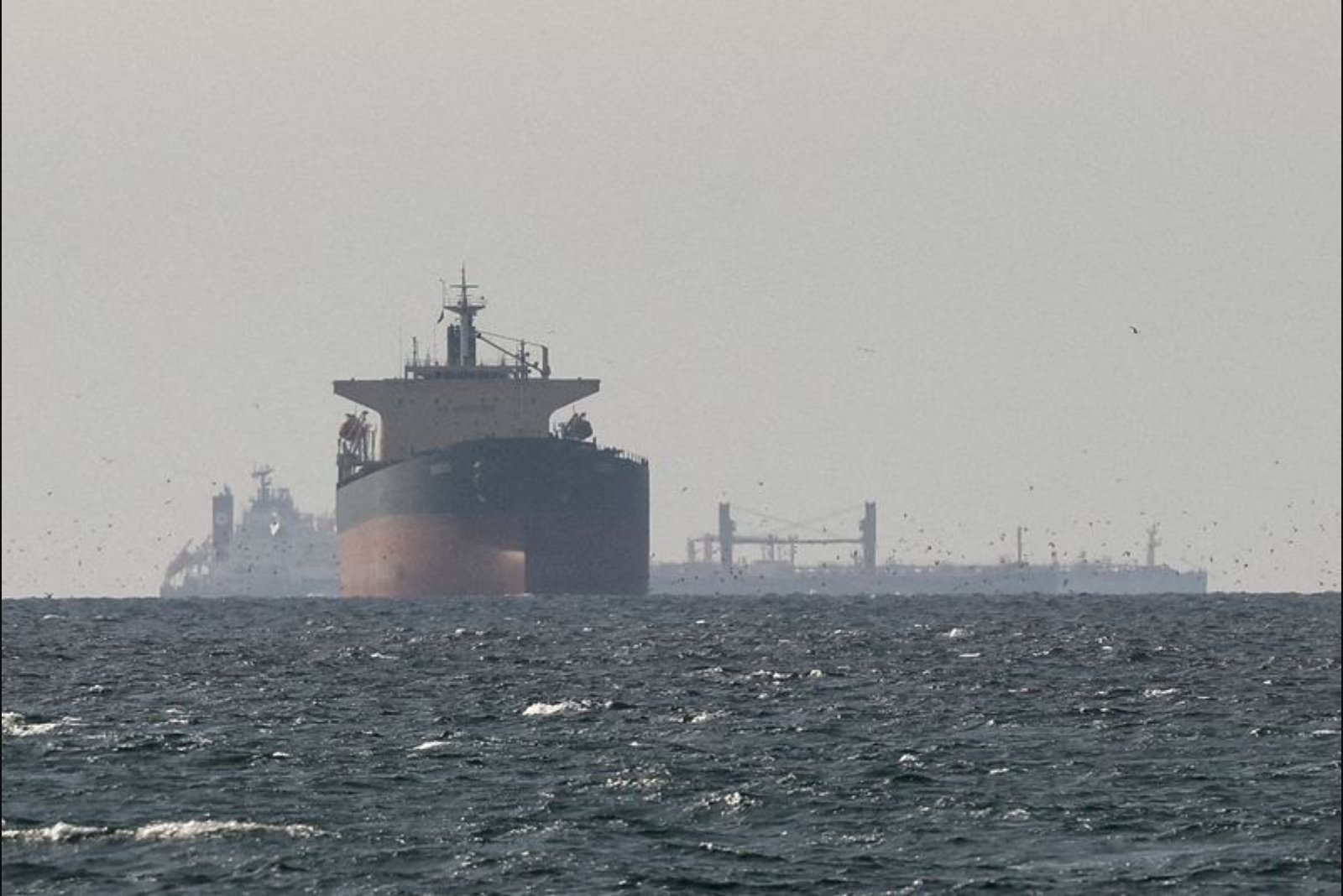
Hopes that the conflict will be resolved quickly have waned. Public statements by the U.S. President suggest an open-ended timetable for an end to the fighting, while incidents at sea have been severe - tankers are burning in the Gulf and oil loading and transport facilities across the region have suffered damage. Iran's new Supreme Leader, Mojtaba Khamenei, has called for the Strait of Hormuz to remain closed. Traders are increasingly accepting that, even if a ceasefire is reached soon, it may take considerable time for flows of oil, natural gas, fertiliser and other petrochemicals to return to pre-conflict norms.
In the meantime, oil prices have stayed above $100 a barrel, natural gas has seen large gains, and investors have revised their assumptions about inflation and interest rate paths for the year. The rapid change in market expectations has made forecasting particularly difficult.
2. The U.S. jobs report and the Fed's balancing act
A surprisingly weak U.S. jobs report for February has bolstered calls for further rate cuts that the U.S. President has long advocated. Yet the spike in energy prices tied to the Middle East conflict complicates the picture for the Federal Reserve. As the Fed concludes its two-day meeting midweek, the policy statement and guidance will be closely scrutinised for how the central bank sees inflation prospects amid higher commodity prices.
Markets expect the Fed to keep rates on hold for a second straight meeting after last year's easing intended to support the labour market. However, Fed funds futures show that investors have pulled back from earlier hopes for multiple cuts this year as the sudden rise in oil prices adds to worries that inflation - already above the Fed's target - could prove more persistent. That dynamic raises the prospect of renewed tension between policymakers and the President in the months ahead. In Canada, where the central bank also meets on Wednesday, traders anticipate the possibility of a 25 basis point rate hike by the end of the year.
3. Europe leaves the 'good place' and confronts fresh uncertainty
Thursday is a significant day for Europe, with policy decisions due from the euro area, Switzerland and the United Kingdom. Higher oil prices present a particular challenge for Europe, which depends heavily on energy imports. The experience of 2022 - when an early inflation jump was initially regarded as transitory - still informs market and policymaker thinking.
Markets are now pricing in rate increases later in the year from both the European Central Bank and the Swiss National Bank. Expectations for cuts from the Bank of England have been rapidly removed from the pricing curve. ECB President Christine Lagarde, who has repeatedly said the ECB was in a "good place," is likely to face probing questions about whether that assessment still holds in the face of renewed energy-driven inflation risks. The Bank of England has less manoeuvrability; a March rate cut that had been widely anticipated just weeks ago has been taken off the table as inflation shows signs of stickiness and now faces additional upward pressure.
4. Divergent paths in the G10 - RBA and BOJ under the microscope
Among G10 central banks, only the Reserve Bank of Australia and the Bank of Japan remain in a hiking stance. Both are being judged against developments in the Middle East and their likely impact on domestic inflation. Japan is particularly exposed because it relies on the region for almost all of its oil supplies, making the BOJ's outlook sensitive to developments in energy markets.
The RBA appears to have a clearer near-term outlook. Market pricing shows more than a 70% chance of a 25 basis point rate hike at its next meeting, and an increasing number of economists are forecasting a move after an inflation warning from a senior official. The BOJ faces greater uncertainty; if energy prices remain elevated for an extended period, the import-dependent economy could face the twin pressures of slower growth and higher inflation, complicating the case for any imminent tightening.
5. Emerging markets recalibrate - Brazil, Turkey and Poland in focus
The shift in energy prices has turned the direction of rates for many emerging markets from easing to tightening - though not universally. Brazil's policymakers, due to announce their decision on Wednesday, had been widely expected to start loosening policy after keeping rates at a two-decade high of 15% since July. The oil price spike has led analysts to reassess that timeline: some now expect a smaller 25 basis point cut instead of a 50 bps move, while others suggest easing could be postponed as officials weigh renewed inflationary pressures.
Turkey's central bank has already paused its rate-cutting trajectory, and Polish policymakers are reconsidering whether a rate cut implemented earlier in March might prove to be the last for some time. These recalibrations highlight how sensitive emerging market policy paths are to swings in commodity prices and to wider geopolitical risk.
Bottom line
Central banks enter a crowded calendar of policy meetings with a renewed and immediate test: the extent to which energy-driven inflation pressures will alter previously anticipated paths for interest rates. For markets and forecasters, the combination of uncertain conflict dynamics and volatile commodity markets has made near-term projections more fraught, increasing the emphasis on policymakers' forward guidance in the days ahead.