
Overview
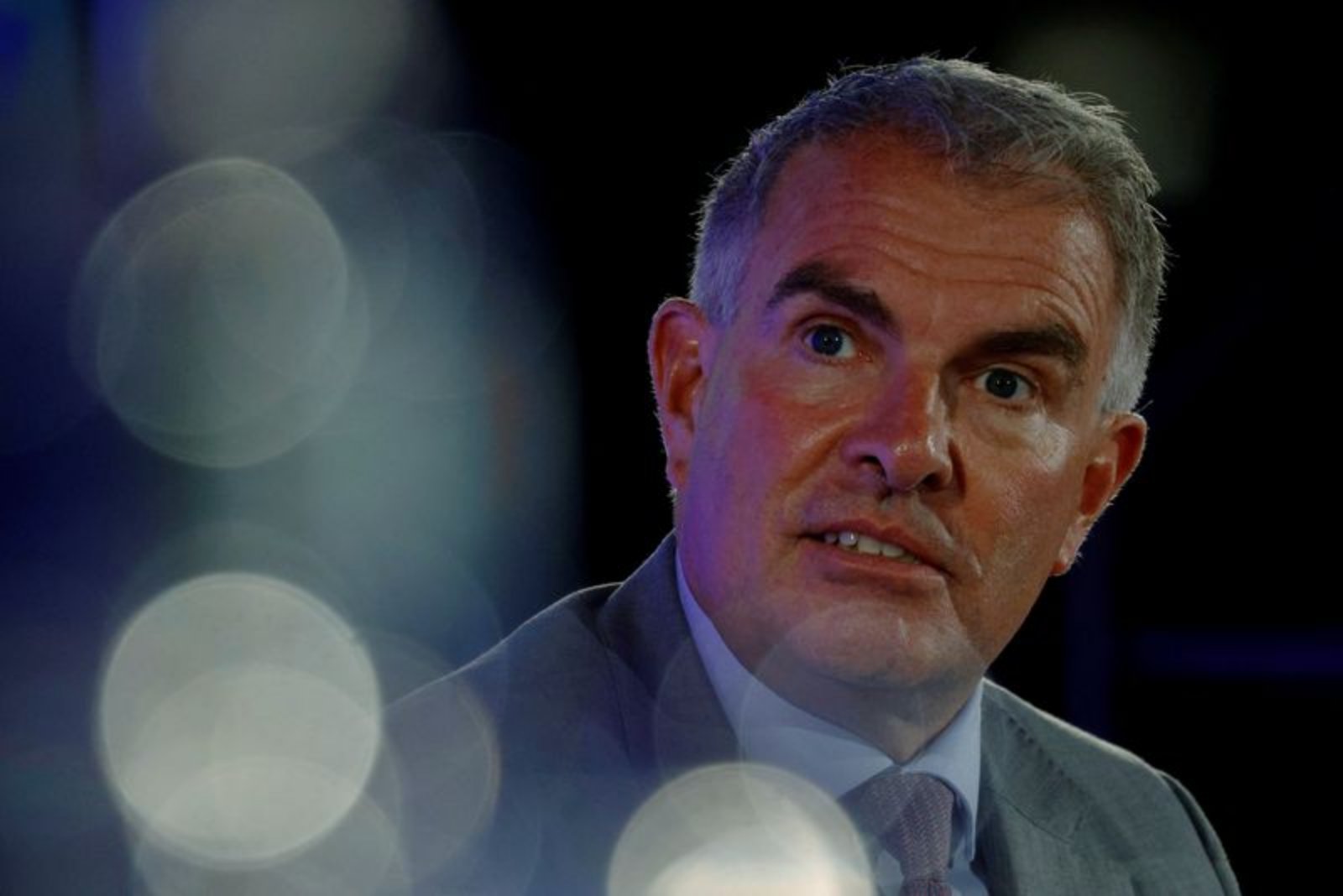
In a glass-walled office overlooking Frankfurt airport, with large displays showing flight delays and operational metrics in the background, Carsten Spohr remains the dominant figure at the helm of Lufthansa. A former pilot who joined the company in 1994, he has led the group for more than a decade through crises ranging from the pandemic to the company’s recovery after the 2015 Germanwings tragedy. Those experiences form the backbone of his approach as he seeks to stabilise performance across a sprawling airline portfolio that includes the core Lufthansa brand, ITA Airways and Eurowings.
Management focus and strategy
Spohr is emphasising tighter group governance and cost efficiencies across the airline’s 12 carriers, centralising parts of the management structure to impose consistent standards and controls. He is also placing a strategic bet on expanding long-haul capacity in the coming year and pressing ahead with fleet renewal to lower fuel bills and maintenance costs.
"It helps to have been a pilot to understand the company inside out," Spohr said, noting that leadership reveals itself most clearly during crises rather than in calm conditions. He remains personally engaged with operational indicators and shows no signs of easing his level of control over decisions across the group.
Spohr has set an explicit goal for profit margins to recover from 4.4% in 2024 to a range of 8-10% between 2028 and 2030. Achieving that will require improvements in punctuality, unit costs and utilisation of newer aircraft deliveries, he says. The company reported more than 80% on-time arrivals at its Frankfurt and Munich hubs in the first nine months of 2025, its best punctuality in a decade.
Share performance and investor sentiment
Investor confidence has shown signs of improvement: shares have risen by more than 60% since early 2025 as Spohr seeks to reposition Lufthansa after years of lagging peers such as Air France-KLM and IAG. That run-up has eased some pressure but margins have narrowed in recent years and equity remains below levels seen at the start of Spohr’s tenure.
Some shareholders and analysts welcome his long experience while urging smoother relations between the board and labour. Hendrik Schmidt of investor DWS praised Spohr’s depth of experience but cautioned that "the board itself must function as a team," reflecting concerns that internal tensions could undermine recovery plans.
Fleet and operational headwinds
Analysts and investors frequently flag Lufthansa’s mixed fleet of older Boeing and Airbus jets as a drag on operating performance. Spohr argues that upcoming aircraft deliveries will help unlock growth by delivering better fuel efficiency and reducing maintenance expenses. After losses in 2024, the core Lufthansa brand is undergoing overhaul investments aimed at renewing the fleet and revamping cabins that the company considers outdated.
Labour relations and recent strikes
Despite operational improvements, Spohr must contend with tense labour relations. Recent coordinated walkouts by pilots and cabin crew resulted in the cancellation of hundreds of flights and disrupted travel for around 100,000 passengers last month. The strikes underscore a persistent fault line between management goals and demands from staff representatives.
Andreas Pinheiro, president of the Lufthansa union VC, said hopes that a pilot-turned-CEO would ease relations quickly were misplaced, and that initial optimism "quickly mixed with the euphoria" as internal divisions emerged and staff felt pitted against each other. Spohr acknowledges the difficulty of negotiating with labour groups and has pointed to the different competitive dynamics faced by state-backed Middle Eastern carriers, saying "it’s just not a level playing field" when it comes to hiring and firing.
Supporters and critics
Opinions on Spohr’s style are mixed. Some close to the company credit him for steady hands during crises and quick decision-making. Peter Gerber, CEO of Condor and a former colleague, defended Spohr’s handling of union disputes and praised his composure in difficult social contexts, saying the Germanwings crisis of 2015 was among the most testing phases of his career and that Spohr helped guide Lufthansa through it.
Ryanair Chief Executive Michael O'Leary also acknowledged Spohr’s effectiveness, while noting that his blunt manner can alienate people. Observers describe Spohr as tough and sometimes impatient, a management approach that has at times caused friction with investors and staff but that supporters argue is necessary to execute the changes the group needs.
Those close to Spohr point to the concentration of decision-making in his office. A former aviation official described his influence as near-omnipresent. Ingo Speich of Deka Investment, which holds a stake in the airline, said that "no important decision bypasses him" and that success in meeting his targets would significantly enhance his legacy, leading some to refer to him informally as "Mr Lufthansa."
Near-term reporting and outlook
Lufthansa is preparing to publish its full-year results on Friday. Management is using the lead-up to that report to highlight improvements in punctuality and operations while reiterating the need for disciplined cost control, fleet renewal and centralised management to restore margins and investor confidence.
Concluding perspective
Spohr’s approach combines hands-on operational oversight, a push for fleet modernisation and an explicit focus on margin recovery. That strategy has generated improved market sentiment in recent months, but the company still faces structural challenges - older aircraft, delayed deliveries, and recurring labour disputes - that will test whether tighter central control and investment can translate into sustained profitability and calmer industrial relations.
Note: This article summarises current statements and developments relating to Lufthansa’s management and performance without drawing conclusions beyond the information provided by company executives, investors and union representatives.