
Lead
The planned weekend trip by U.S. envoys Jared Kushner and Steve Witkoff to Pakistan was abruptly cancelled by President Trump after the White House described an initial proposal from Tehran as "substandard." The abrupt halt in the mission underscored the fragility of efforts to produce a negotiated settlement to the eight-week conflict.
Follow-up offer and stalled process
According to statements from the U.S. administration, Iran provided a second, purportedly more constructive proposal shortly after the envoys' visit was called off. That follow-up offer is said to have touched on long-standing concerns about nuclear weapons. Despite this development, officials say the route to an agreed negotiation framework remains blocked by deep-seated mistrust and competing strategic priorities that neither side appears ready to concede.
Interlocking crises and the maritime impasse
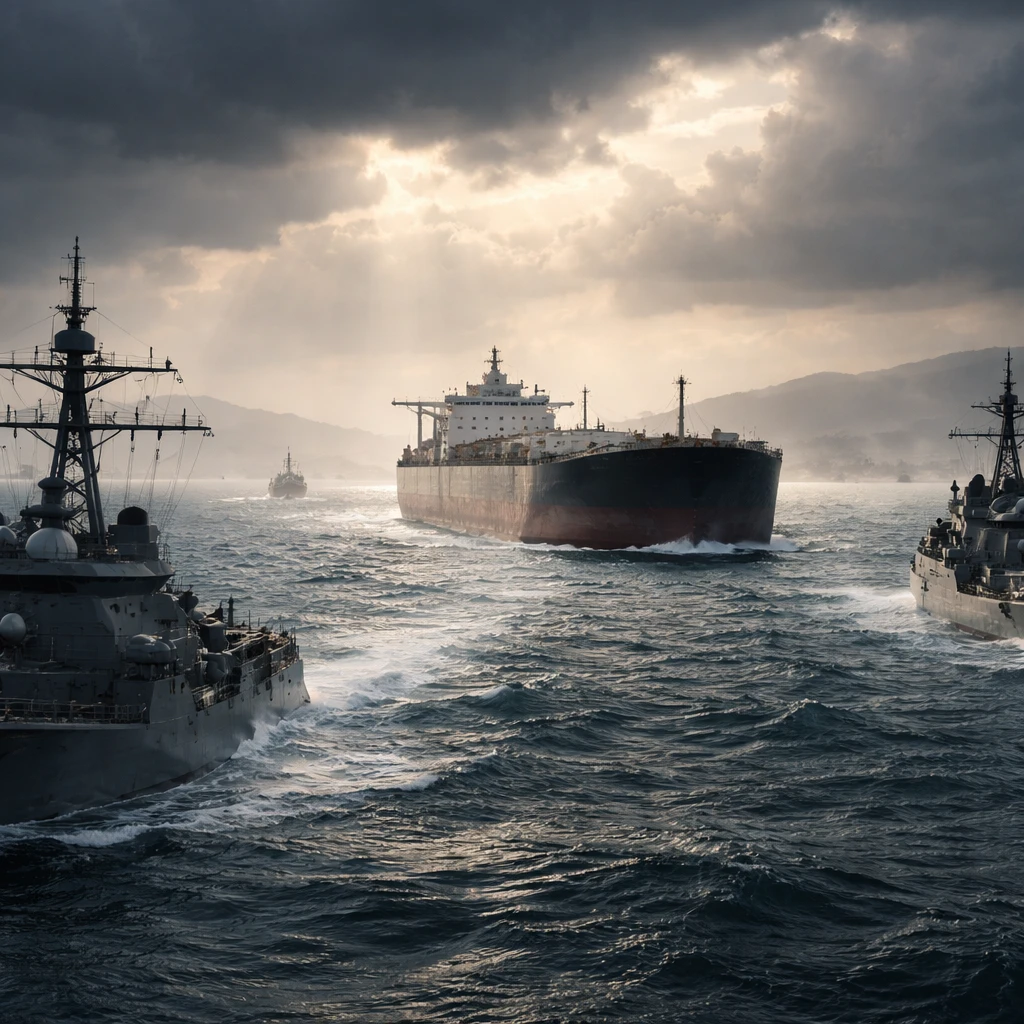
The current deadlock is framed by a set of interdependent demands. Iran insists that the United States fully lift its naval blockade before entering meaningful talks. Washington, in turn, maintains that a resolution must include steps to dismantle Iran's nuclear enrichment capacity. Those conflicting prerequisites have effectively frozen transit through the Strait of Hormuz - a chokepoint responsible for about one-fifth of global energy flows - contributing to inflationary pressures and sustaining oil prices at multi-year highs.
Complicating diplomatic efforts are internal divisions within Iran's leadership. Reports indicate hard-line elements within Tehran are reluctant to engage in direct negotiations that could be portrayed by the White House as a concession. With Iran's Foreign Minister Abbas Araghchi continuing a diplomatic circuit through Oman and Russia, the task of mediating between Washington and Tehran has increasingly fallen to regional partners, even as doubts rise about the U.S.'s long-term commitment to a stable diplomatic solution.
Navigating the conflict premium in markets
Market participants have interpreted the sudden breakdown in planned talks as a reminder that the so-called "war premium" embedded in energy and shipping markets is unlikely to fade quickly. Although both sides seem intent on avoiding a broad return to kinetic clashes, the absence of a clear and reliable communication channel raises the prospect of miscalculation. At the same time, continuing Israeli attacks on Lebanon - which persist despite ceasefire extensions - tether the global economy to a conflict increasingly characterized by prolonged economic attrition rather than decisive battlefield outcomes.
Outlook
For now, the diplomatic process remains highly uncertain. The emergence of a second Iranian offer suggests some movement, but the entrenched and opposing prerequisites demanded by the parties, combined with internal political constraints and weak channels for direct engagement, leave the prospects for a negotiated settlement unclear. Regional mediators will remain central to any progress, while markets watch closely for signs that the strait's paralysis or other escalatory events could widen economic fallout.