
Economy February 20, 2026

Brazil Says U.S. Supreme Court Decision Restores Country's Edge in American Market

Vice-President Alckmin calls ruling that removed targeted 40% levies a key step, urges measured diplomacy as new U.S. tariff talk emerges

By Derek Hwang
Brazil Says U.S. Supreme Court Decision Restores Country's Edge in American Market

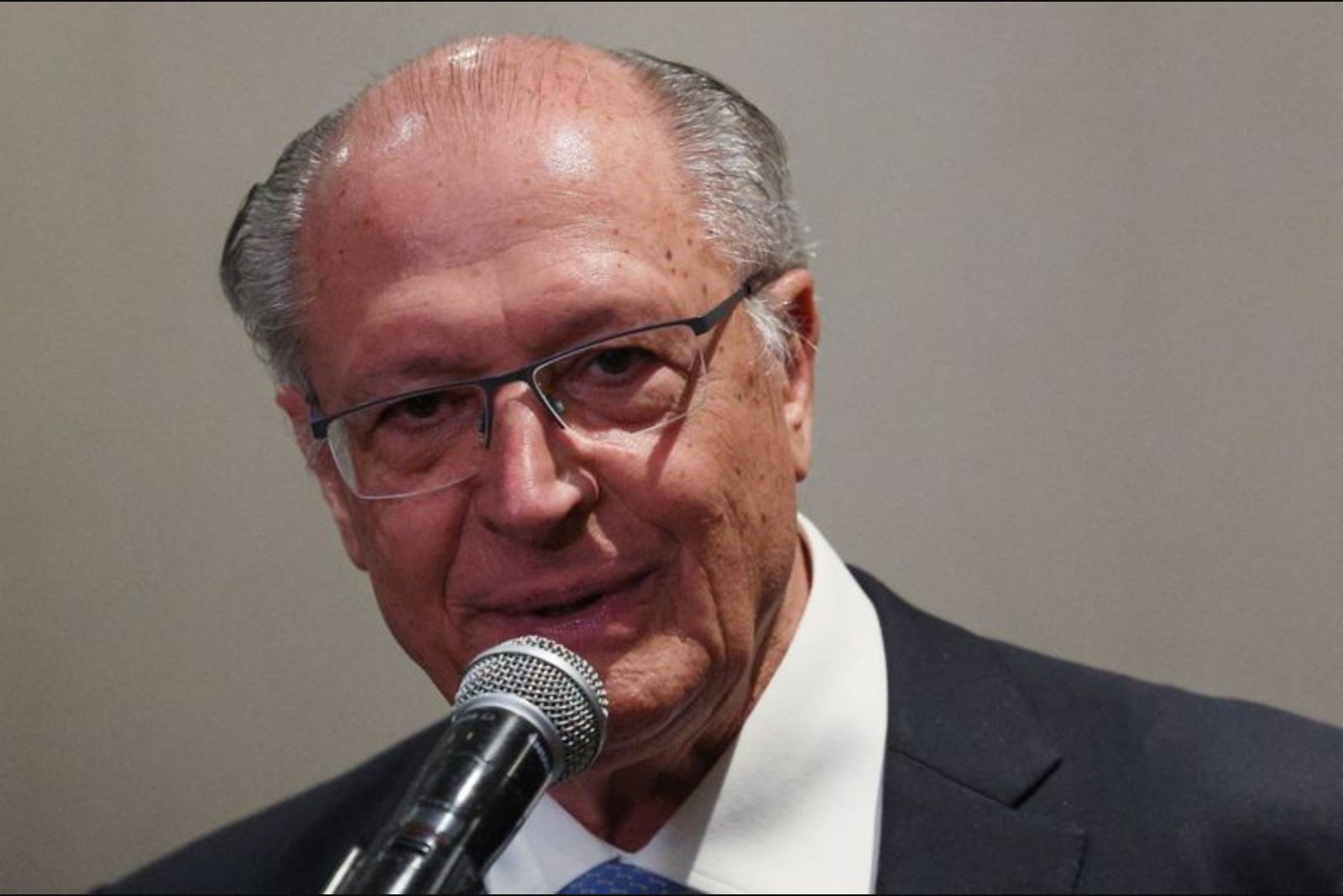
Brazil's Vice-President and development, industry and trade minister Geraldo Alckmin said a U.S. Supreme Court ruling that invalidated expansive tariffs imposed by former President Donald Trump removed levies that had singled out Brazil, restoring the country's competitiveness in the U.S. market. Alckmin, speaking at a press conference in Brasilia, urged caution as the countries navigate follow-up developments and reaffirmed Brazil's intention to continue negotiations with Washington on trade and related issues.

Key Points

  • U.S. Supreme Court ruling removed targeted tariffs that had applied specifically to Brazil, according to Vice-President Geraldo Alckmin, restoring Brazil's competitiveness in the U.S. market - impacts trade and export sectors, notably food and agricultural exports.
  • Alckmin urged caution and said Brazil will continue negotiating trade and non-trade issues with Washington - relevant to diplomatic and trade policy sectors.
  • Trump had imposed 40% tariffs on several Brazilian goods in August, later exempting some products as U.S. inflation rose and after talks with President Luiz Inacio Lula da Silva; in November additional tariffs on certain Brazilian food items such as coffee and beef were removed.

BRASILIA, Feb 20 - Brazil's Vice-President Geraldo Alckmin described a U.S. Supreme Court decision that struck down wide-ranging tariffs imposed by former President Donald Trump as an important development for his country, saying it removed duties aimed specifically at Brazil and helped to restore the nation's competitiveness in U.S. markets.

Alckmin, who also serves as Brazil's development, industry and trade minister, delivered his comments at a press conference in Brasilia, and stressed that while the ruling was significant, officials should proceed with caution as they assess its implications and next steps.

He reiterated that Brazil plans to continue negotiating both trade and non-trade matters with Washington. The vice-president pointed to the practical effect of the now-vacated measures, noting that the country was disadvantaged by tariffs that did not apply to other trading partners.

"Brazil had an additional 40% tariff that no one else had. That was the problem. We were effectively losing competitiveness," Alckmin told journalists, framing the court decision as a corrective to that competitive imbalance.

The tariffs at issue were initially imposed by Trump in August and carried a 40% rate on several Brazilian products, a move he tied to what he described as a "witch hunt" against Brazil's former right-wing President Jair Bolsonaro. Over time, some exemptions were granted as U.S. inflation rose and following discussions between U.S. and Brazilian leaders. In November, Trump removed additional tariffs on a range of Brazilian food goods, including coffee and beef.

Alckmin also addressed a separate announcement by Trump on Friday indicating an intent to impose a uniform 10% tariff on imports from all countries. The vice-president said a blanket tariff applied equally across trading partners would not erode Brazil's competitiveness in the same way as the previously targeted 40% duties, since it would affect imports from all nations on an equal basis.

While the statement from Alckmin signaled a welcome change for exporters who faced steep, nation-specific levies, he emphasized the need for measured diplomatic engagement as Brazil and the United States work through the implications of the court ruling and any subsequent policy moves.


Context note: The comments summarized here reflect statements made by Vice-President Alckmin at the press conference in Brasilia and reference actions and statements attributed to former President Trump in the context described by Alckmin.

Risks

  • Uncertainty around subsequent actions by the U.S. administration, including a proposed uniform 10% tariff, could alter trade dynamics even if applied equally - affects exporters and competitive positioning in agriculture and broader merchandise trade.
  • Ongoing negotiations and follow-up developments from the court decision could create short-term policy and market uncertainty as Brazil and the United States determine the practical effects and next steps - impacts trade policy, export planning, and business sentiment.

More from Economy

Trump Vows Fresh 10% Global Tariff After Supreme Court Limits His Trade Authority Feb 20, 2026 Supreme Court Ruling Narrows Presidential Tariff Options, Treasury Secretary Says Feb 20, 2026 Supreme Court Curbs Emergency Tariff Authority, Sparking Market and Policy Reactions Feb 20, 2026 Musalem Says Fed Stance Appropriate; One-for-One Tariff Replacement Would Barely Shift Outlook Feb 20, 2026 Supreme Court Decision Limits One Tariff Route but Leaves Global Trade in Flux Feb 20, 2026