
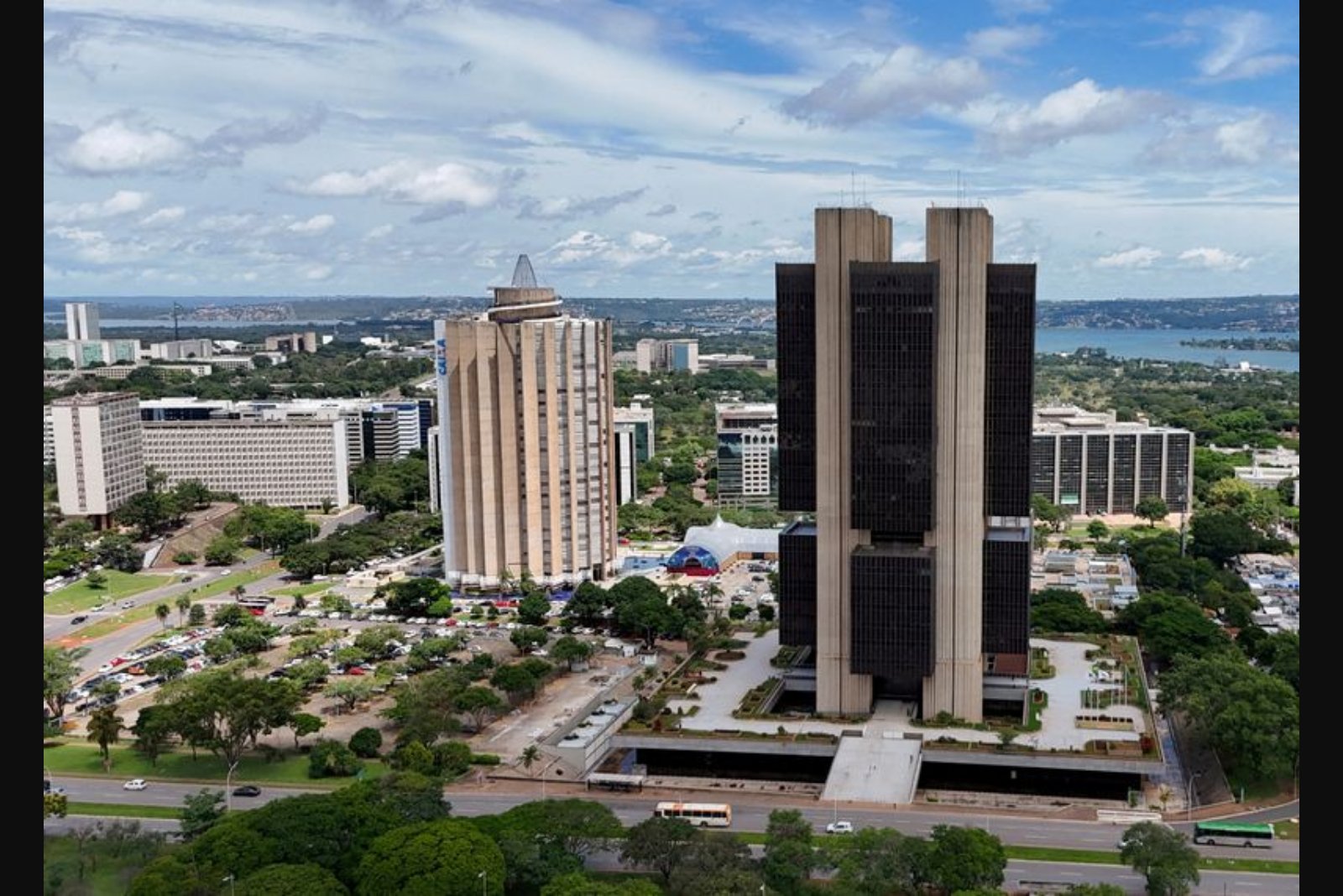
Brazil’s monetary authority is set to issue another interest rate decision this week even though two positions on its rate-setting committee are unoccupied, people familiar with the matter said. The vacancies have persisted since January and may not be closed for several months amid friction between the government and Senate leaders and an active criminal investigation.
The central bank’s monetary policy committee, known as Copom, requires nine members but will enter this week’s decision with seven seats filled. A Senate committee hearing and a plenary vote are both necessary before any presidential nominee can formally take office, leaving the committee with reduced membership at a time when it is expected to begin a rate-cutting cycle on Wednesday.
Multiple sources told Reuters that filling the vacancies has not been treated as a priority by President Luiz Inacio Lula da Silva, despite Finance Minister Fernando Haddad having forwarded candidate names last month. Two of those sources said confirmations in the Senate are unlikely to move ahead until the federal police complete their probe into Banco Master, a failed lender that has depleted its capital and is at the center of a widening corruption investigation.
The sources spoke on condition of anonymity because the discussions are private. The central bank and the presidential palace did not respond to requests for comment.
Observers note a contrast between the president’s delay and his public complaints that a 2021 law granting the central bank autonomy reduced his influence over a board appointed under his predecessor, Jair Bolsonaro. Should President Lula leave the two posts unfilled through the rest of the year, the responsibility to appoint new board members would fall to whoever wins the presidential election in October.
One source captured the heightened sensitivity around nominations, saying: "Right now everything is fair game because no one knows whose name will appear in the newspapers," a remark that referenced media leaks linking political connections to Daniel Vorcaro, the controller of Banco Master. Banco Master was liquidated by the central bank in November and is under investigation for allegedly fraudulent loan portfolios.
Calendar constraints could prolong the vacancies. With Congress scheduled to recess in July and general elections in October, sources said Copom could remain short-handed for months, potentially through year end. In the meantime, the central bank has distributed responsibilities among existing directors. The economic policy director role has been covered on an interim basis by Paulo Picchetti, the international affairs director, while Gilneu Vivan, the regulation director, has also overseen the financial system organization area.
One source said they would not be surprised if the matter was unresolved until the end of the year, and added that President Lula has not reinitiated internal discussions since Finance Minister Haddad proposed nominating Guilherme Mello, the president’s economic policy secretary, and economist Tiago Cavalcanti to the vacant posts.
So far, President Lula has neither publicly endorsed nor rejected Haddad’s recommendations. The proposed candidates are not viewed as allied with central bank chief Gabriel Galipolo. Markets reacted unfavorably to Haddad’s suggestions, with investors expressing concerns about Mello’s ties to the Workers Party and his unconventional economic background for the economic policy role, as well as questioning his limited direct experience with financial markets, experience markets consider important for that position.
The staffing bottleneck at the central bank is not the only instance of executive nominations encountering Senate resistance. The president tapped Solicitor General Jorge Messias for a seat on Brazil’s Supreme Court in November, but has not formally sent his name to Congress amid pushback in the Senate.
As the central bank moves toward a potential easing cycle this week, the unresolved vacancies and the political and investigative hurdles surrounding confirmations add a layer of uncertainty to the institution’s governance and the mechanics of upcoming policy decisions.