
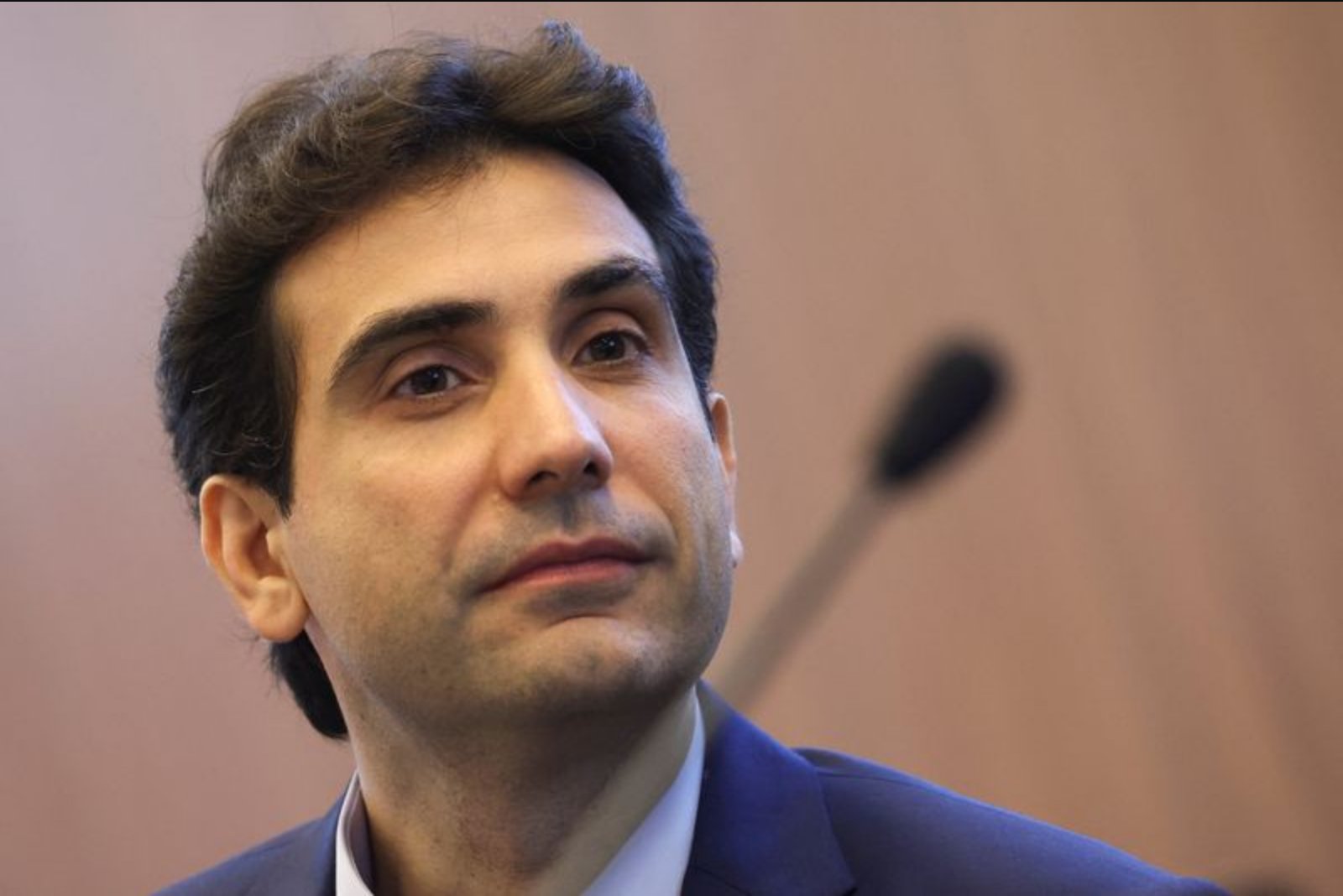
The leadership at Brazil’s Central Bank is moving toward potential new appointments for its rate-setting committee, known as Copom. Gabriel Galipolo, the bank's Governor, is reportedly weighing the recommendation of two women to fill existing vacancies on the nine-member board. These discussions, conducted privately, involve candidates intended to occupy critical director positions within the institution.
Potential Candidates and Roles
The selection process focuses on two distinct areas of central bank leadership. For the position of economic policy director, Cecilia Machado is a name currently under consideration. Machado serves as the chief economist at BOCOM BBM and holds a doctorate in economics from Columbia University. The role of economic policy director is vital, as this department provides the essential projections and analytical frameworks that serve as the foundation for all interest rate decisions.
For the director role responsible for overseeing the financial system, Marina Copola has emerged as a primary contender. A specialist in commercial and economic law, Copola currently sits on the board of the Brazilian securities regulator, CVM. While her departure from the CVM could have impacted the regulator's operations, recent Senate approvals of two other nominees, including a new chair, have mitigated fears regarding a potential logjam at the agency.
Institutional Context and Gender Representation
If these appointments move forward, it would represent a significant shift in the demographic composition of the Copom. The addition of two women would bring the total number of female members on the committee to three, joining citizenship director Izabela Correa, whose term is set to continue until 2028. Historically, the central bank has been a male-dominated institution; out of the 142 individuals who have held positions on the board to date, only six have been women.
The vacancies in question have remained open since January. In the interim, the central bank has had to operate with seven of its nine seats filled, an arrangement that necessitated taking three policy decisions this year under these reduced circumstances. Currently, Paulo Picchetti, the director of international affairs, has been managing the economic policy area on an interim basis, while Gilneu Vivan has been overseeing the organization of the financial system in a regulatory capacity.
Political and Legislative Dynamics
The process of filling these seats is complicated by the intersection of central bank autonomy and executive authority. President Luiz Inacio Lula da Silva has previously expressed dissatisfaction with the 2021 central bank autonomy law, suggesting it limits his ability to influence a board appointed during the previous administration of Jair Bolsonaro. Galipolo has consistently noted in public statements that the final decision rests with the President.
Furthermore, the timeline for these appointments faces legislative hurdles. The Senate must approve any nominees put forward by President Lula, and tensions between the government and Senate leadership have previously suggested that these vacancies could remain unfilled for several months. This uncertainty is expected to intensify as the window for congressional confirmations narrows leading up to the general elections in October, a period typically characterized by slowed legislative activity.