
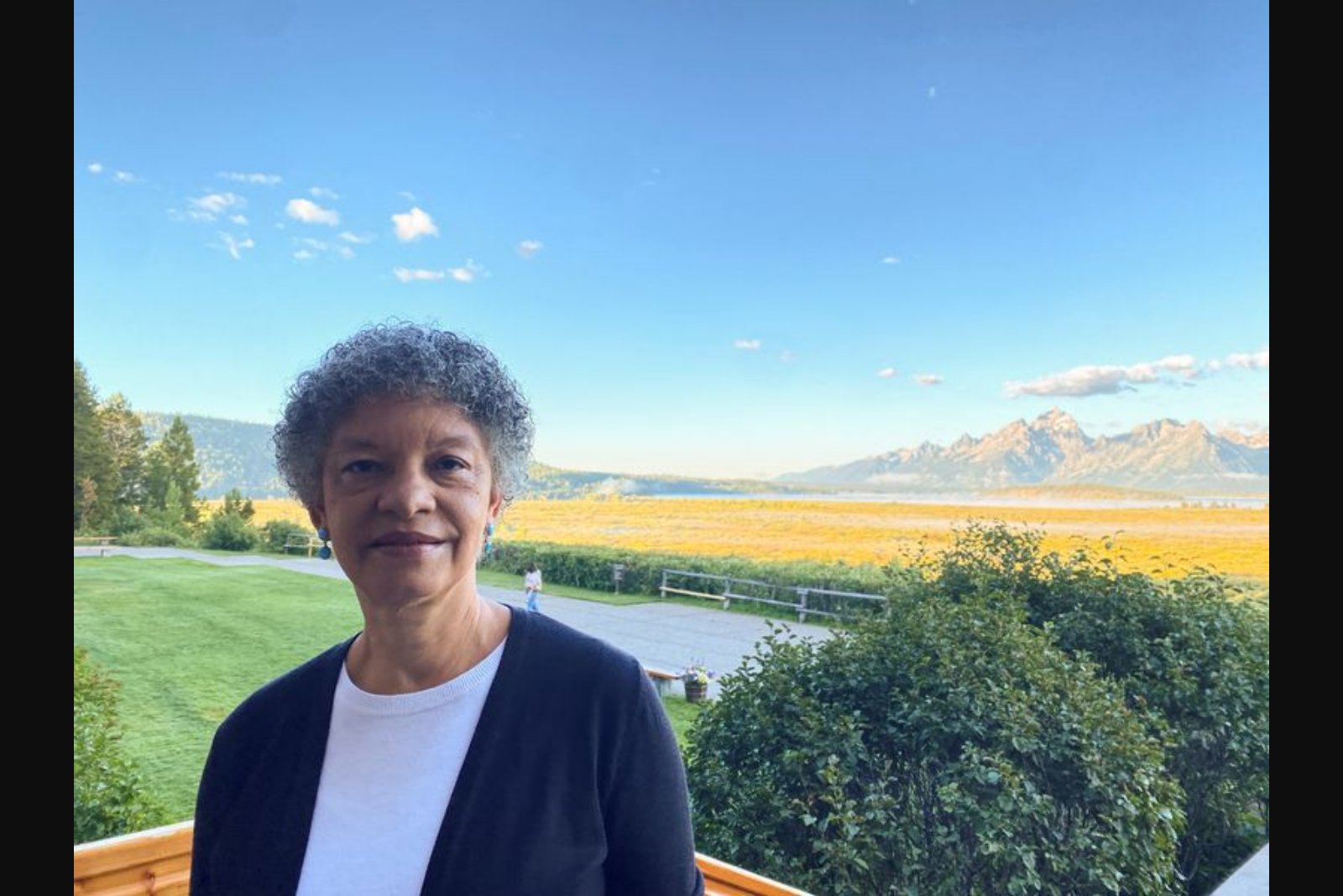
On March 6, Boston Federal Reserve Bank President Susan Collins outlined a cautious stance on monetary policy, saying she does not see an imminent need to change interest rates. Speaking ahead of an event in Springfield, Massachusetts, Collins described her preferred path as measured and patient, stressing that she does not perceive an urgency for further policy adjustments.
Collins said her outlook retains "a still-uncertain inflation picture, with continued upside risks," and that this uncertainty, together with recent data pointing to a relatively stable labor market, supports keeping rates at their present, mildly restrictive settings for an extended period. The current federal funds target rate range stands between 3.5% and 3.75%.
She made clear that any move toward loosening policy would hinge on "clear evidence" that inflation, which remains elevated, is moving back to the Fed's 2% target. That evidence, Collins suggested, "might occur" only in the latter half of this year.
Collins characterized her baseline as "fairly benign," forecasting continued solid economic growth, a relatively balanced labor market, and disinflation resuming later in the year as the effects of tariffs fade. Still, she warned that "considerable economic uncertainty remains," a condition she said has been exacerbated by recent geopolitical developments, including hostilities in the Middle East.
On labor market dynamics, Collins highlighted the potential influence of artificial intelligence on hiring patterns. She said that while hiring could pick up relative to last year's slower pace, job gains are likely to remain modest.
Her comments came on the same day the government released data showing unexpected job losses in February, a sign that could point to further weakness in the labor market. The Fed trimmed its interest rate target by three quarters of a percentage point last year in an effort to support a weakening employment sector, but analysts remain unclear whether the current softness reflects transitory factors or marks the start of a more persistent trend.
Collins also pointed to rising energy costs tied to the U.S.-Israel war on Iran as an additional challenge for policymakers. She noted that surging gasoline prices could feed through into higher inflation and unmoor inflation expectations, a development that could complicate the Federal Reserve's ability to lower rates to support the labor market.
Markets and policymakers are widely anticipating that the central bank will hold rates steady at its March 17-18 Federal Open Market Committee meeting. Investors continue to price in the possibility of rate cuts at some point later in the year, but Collins' remarks underscore the conditional nature of such easing and the need for convincing disinflationary evidence.