
Economy February 5, 2026

BOJ's Masu Urges Timely Rate Increases to Keep Underlying Inflation Below 2%

Board member warns of rising inflation risk while cautioning against over-tightening that could derail wage-price momentum

By Nina Shah
BOJ's Masu Urges Timely Rate Increases to Keep Underlying Inflation Below 2%

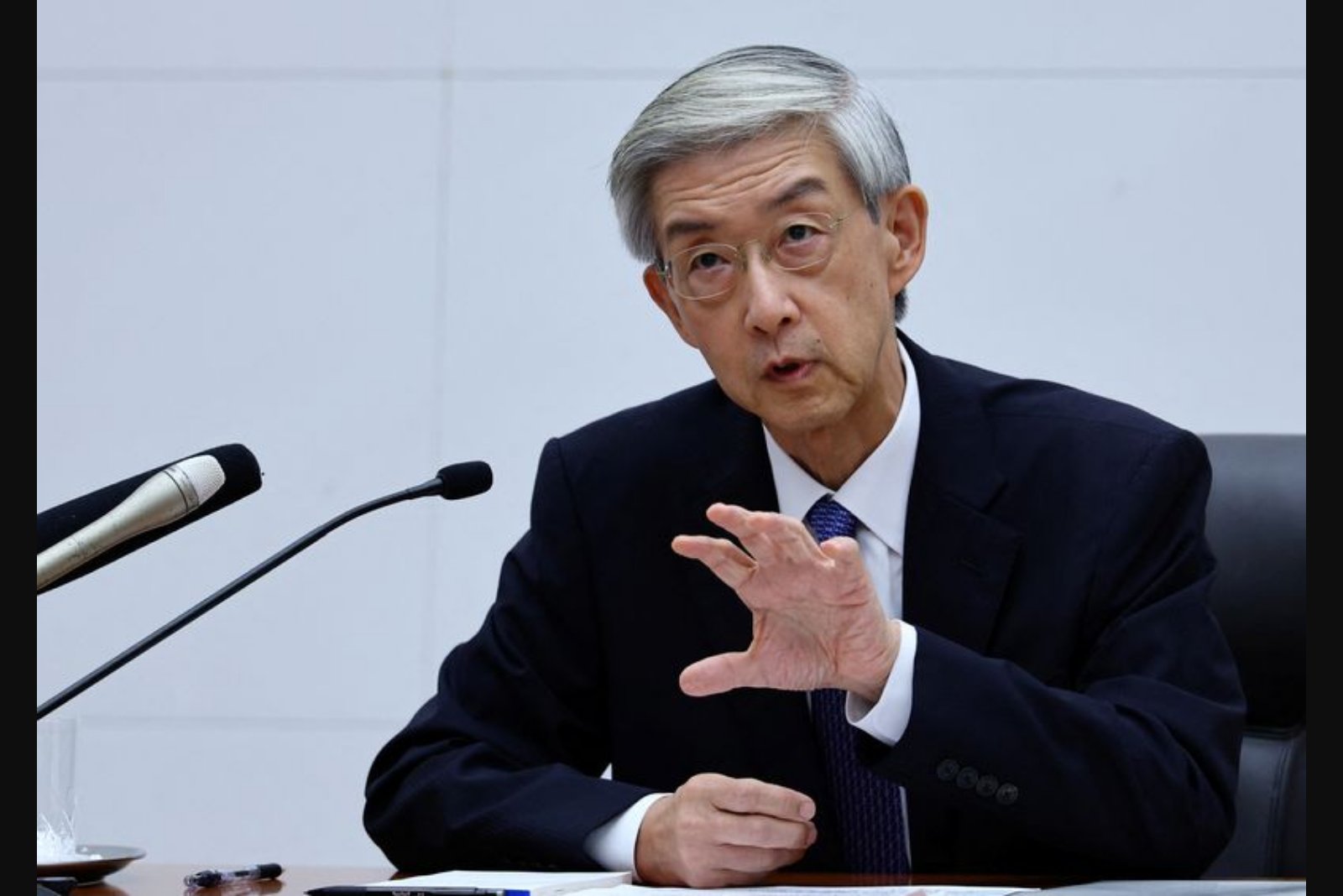
Bank of Japan board member Kazuyuki Masu said the central bank must raise interest rates in a timely manner to prevent underlying inflation from breaching the 2% target, while taking care not to choke off a nascent wage-price upturn. Speaking in Matsuyama, Masu said underlying inflation remains below 2% but is drawing close, and that further policy rate increases will be necessary to complete monetary policy normalization.

Key Points

  • Masu said the BOJ must raise interest rates in a timely manner to prevent underlying inflation from exceeding the 2% target - impacts monetary policy and interest-rate sensitive sectors.
  • He believes underlying inflation is still below 2% but is "drawing very close", citing reduced deflationary behaviour among companies and households - relevant for labour markets and corporate pricing strategies.
  • Masu stated that further policy interest rate hikes will be needed to complete monetary policy normalization, while warning the BOJ will proceed cautiously to avoid disrupting the emerging wage-price momentum - important for banks, borrowers, and investors.

Matsuyama, Japan, Feb 6 - Bank of Japan board member Kazuyuki Masu said the central bank must implement interest rate increases in a timely way to prevent underlying inflation from exceeding its 2% target.

Masu said he believes Japan's underlying inflation remains below the 2% threshold but is "drawing very close" as both companies and households move away from entrenched deflationary behaviour. He delivered the remarks in a speech to business leaders in Matsuyama in western Japan.

"I am convinced that continuing with further policy interest rate hikes will be needed to complete the normalization of monetary policy in Japan," Masu said, framing additional rate rises as necessary to finish the transition back to a more conventional policy stance.

He stressed that with Japan apparently entering an inflationary phase, the BOJ must ensure that underlying inflation stays below 2% through what he called "timely and appropriate rate hikes". At the same time, Masu warned against excessive tightening, saying that care is required so as not to undermine the developing positive interaction between prices and wages.

"At the same time, it is critical to ensure excessive rate hikes do not disrupt the virtuous cycle of a moderate rise in prices and wages that has finally begun to gain momentum in Japan," he said, adding that the BOJ will therefore proceed cautiously with rate hikes.

Masu's remarks underline a dual objective for policy: move rates higher to prevent inflation from overshooting the 2% goal, while calibrating the pace of hikes to preserve the fragile upturn in wages and prices that policymakers have been seeking.


Context and implications

The comments reflect a balance between preventing inflation from becoming entrenched above target and avoiding abrupt tightening that could interrupt a nascent wage-price dynamic. Masu linked the change in inflation dynamics to shifts in behaviour among companies and households away from long-standing deflationary expectations.

He indicated that further increases in the policy rate will be needed to complete normalization, but also signalled a cautious approach to the timing and size of those moves to avoid derailing the improving wage and price cycle.

Risks

  • Underlying inflation breaching the 2% target if rate hikes are not implemented promptly - affects purchasing power and interest-rate sensitive sectors such as households and corporations.
  • Overly aggressive rate increases could interrupt the nascent virtuous cycle of rising prices and wages that Masu says has begun to gain momentum - a risk for labour market dynamics and consumer demand.
  • Uncertainty about the pace and timing of future policy moves creates near-term volatility for interest-rate sensitive markets and financial institutions, given Masu's emphasis on both timeliness and caution.

More from Economy

SCOTUS Ruling on IEEPA Tariffs Offers Relief but Leaves Major Questions for Markets and Treasury Feb 21, 2026 USMCA Goods Largely Exempted From New 10% Global Tariff, But Review Threat Looms Feb 20, 2026 U.S. Trade Office to Open Broad Section 301 Reviews Covering Major Partners Feb 20, 2026 Supreme Court Term Spotlight: High-Stakes Cases Shaping Law and Policy Feb 20, 2026 Trump Vows Fresh 10% Global Tariff After Supreme Court Limits His Trade Authority Feb 20, 2026