
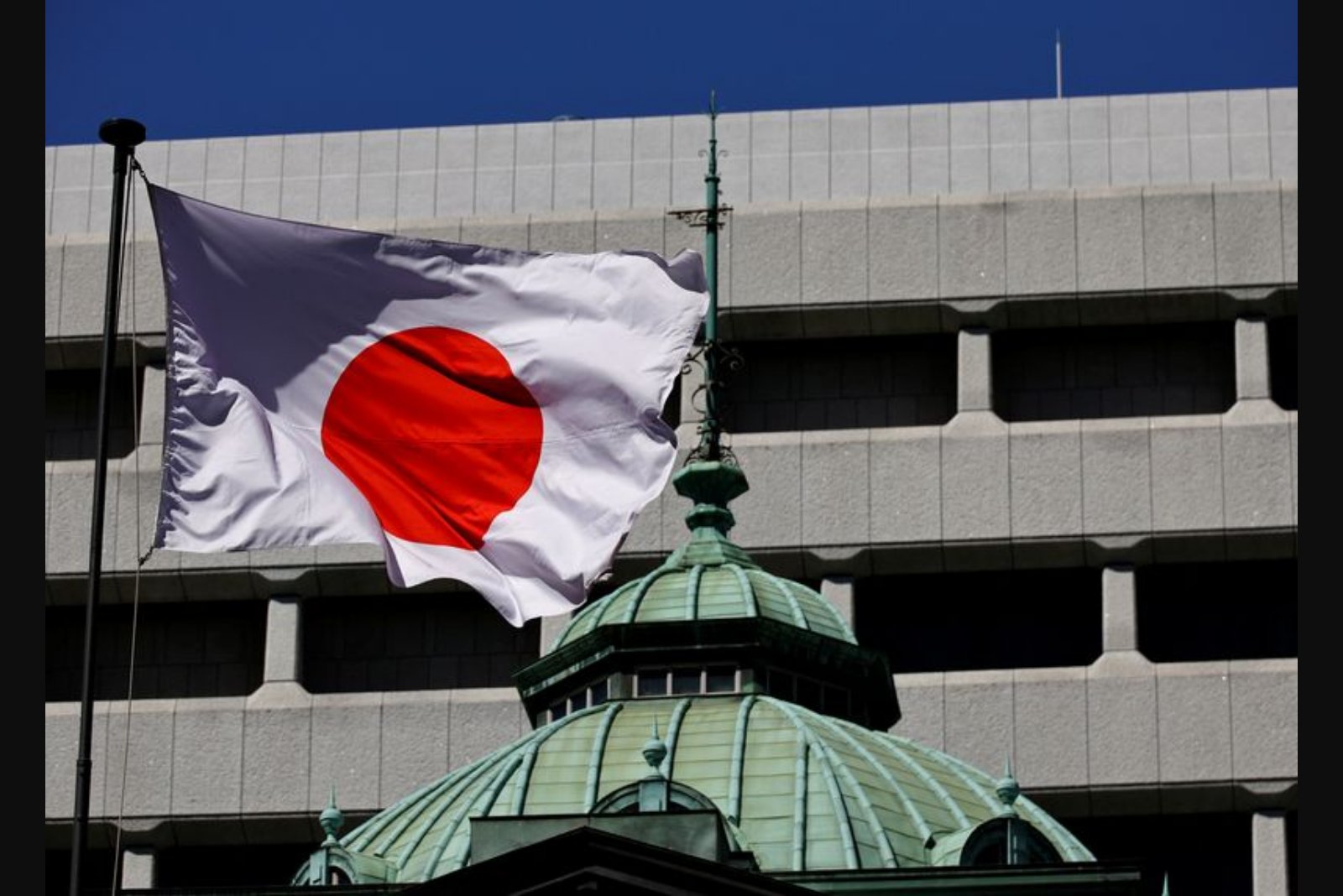
The Bank of Japan is widely expected to keep its policy rate on hold at 0.75% at the conclusion of a two-day policy meeting on Thursday, but to underline that it still retains a bias toward future rate increases. Officials face a fraught policy landscape in which a much weaker yen and a steep rise in crude prices tied to the U.S.-Israel war on Iran have pushed inflation risks higher for an economy that relies heavily on imports.
Global crude prices jumped as much as around 70% after the conflict involving the U.S., Israel and Iran began on February 28, reviving memories of pandemic-era spikes in the cost of living and prompting central banks to reassess inflation risks. For the BOJ, the sudden shock to fuel costs presents a delicate choice: tighten policy too soon and risk deepening an already fragile growth picture, or wait and risk falling behind if inflation expectations accelerate.
According to officials' plans going into the meeting, the BOJ will hold short-term interest rates at 0.75% and is not expected to make material changes to its assessment that the economy is on a path of moderate recovery. Markets will instead look to Governor Kazuo Ueda's post-meeting briefing for guidance on the likely timing of any further hikes and how the BOJ is weighing the competing needs to cushion a shock-hit economy and avoid being late in addressing rising price pressures.
Investors and analysts say the central bank's language at that briefing will be closely parsed for signs of how it balances the risks. "If growth softens while inflation rises, the BOJ could face a classic stagflation-style policy trade-off," said Naomi Fink, chief global strategist at Amova Asset Management. "Although tightening would risk worsening domestic weakness, failing to do so would risk exacerbating yen weakness and intensifying credibility questions. This could increase the risk of inflation expectations becoming unmoored to the upside."
The next BOJ meeting in April is expected to be a more consequential test. That session will include the board's quarterly review of economic projections and therefore a more detailed assessment of whether the central bank's scenario -- that solid economic and wage growth will keep inflation sustainably around target and thus justify additional hikes -- still holds.
By April, policymakers will have more data on how the conflict is filtering through the economy. Key items on the calendar include the BOJ's quarterly "tankan" business survey, due on April 1, and the findings from regional branch managers' discussions on April 6. Those datapoints are expected to shed light on the degree to which firms are feeling the impact of higher fuel and import costs.
If hostilities persist and crude prices remain elevated, the BOJ may be forced to rethink its baseline forecast that underpins plans for further tightening. That baseline assumes that robust economic and wage momentum will anchor inflation near the central bank's target. Should energy-driven inflation prove more persistent, that assumption could come under pressure.
There is also a cost to delaying rate increases for too long, particularly in Japan where real interest rates are deeply negative. The BOJ has itself flagged the deeply negative real rate as a rationale for gradually raising borrowing costs. Analysts warn that if rising import costs push up inflation expectations, the real interest rate could be driven further into negative territory, reducing the effective impact of past rate increases and increasing the risk the central bank is seen as behind the inflation curve.
Despite the evident downside risks to growth from the Middle East crisis and domestic political pressures to proceed cautiously with hikes, market pricing still indicates roughly a 70% probability of a rate increase in April. Japanese government bond yields have already reacted; the benchmark JGB yield climbed to a one-month high on Monday as the conflict heightened expectations for higher inflation and potential tightening by the BOJ.
Market participants are sensitive to the tone of Governor Ueda's remarks. "If the BOJ had already taken rates to levels deemed neutral to the economy, it could afford to pause and observe how the war affects inflation expectations. Unfortunately, that's not the case," said Naomi Muguruma, chief bond strategist at Mitsubishi UFJ Morgan Stanley Securities. "If Ueda delivers dovish comments about the rate-hike outlook, long-term yields may rise further as traders price in the chance of the BOJ being behind the curve on inflation."
Summary: The BOJ is expected to hold its short-term rate at 0.75% at the end of a two-day meeting while reiterating a bias toward further rate hikes. A weak yen and a sharp rise in oil prices after the U.S.-Israel war on Iran began have heightened inflationary pressures for Japan’s import-reliant economy. Investors will watch Governor Kazuo Ueda’s post-meeting briefing for signals on the timing of future hikes. April’s quarterly review will be the next major test once fresh data such as the tankan survey and regional branch reports are available.