
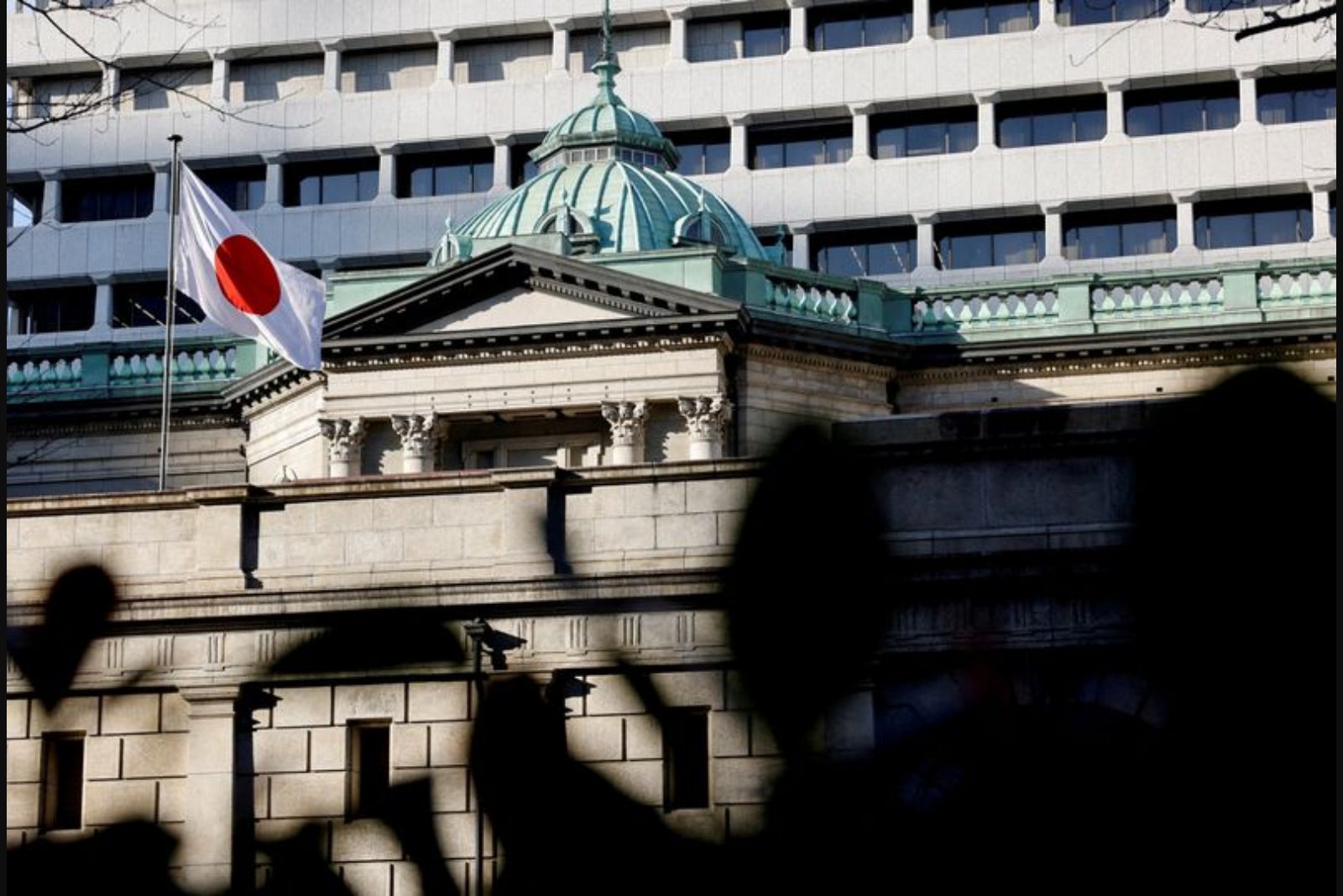
The Bank of Japan is set to hold interest rates steady at its policy meeting that concludes on Thursday, reflecting a cautious stance as officials await further clarity on the economic fallout from a deepening Middle East conflict. The rise in oil prices tied to that conflict has complicated the outlook for Japan - an economy that imports significant energy and has already been coping with upward inflationary pressures.
The decision arrives amid a busy week for global central banks, with meetings by the Federal Reserve and the European Central Bank also taking place. Policymakers around the world have seen their planned paths for interest rates clouded by what analysts describe as an oil shock related to the conflict in the Middle East.
Governor Kazuo Ueda is expected to preserve the central bank's commitment to continue increasing borrowing costs from historically low levels if Japan moves toward sustained 2% inflation supported by wage gains. At the same time, officials are likely to provide limited detail on when the next rate increase might come, with the timing contingent upon how long the war and associated energy disruptions last.
Analysts at Evercore ISI highlighted the dilemma facing Japan's policy makers, writing that "Japan faces two-sided risks from the energy shock," noting that higher oil prices can both weigh on economic activity and lift inflation. Evercore ISI added that, in their view, the objective for Ueda will be to keep the April meeting viable for a hike while avoiding any firm commitment to raising rates at that gathering.
At the conclusion of its two-day meeting, the Bank of Japan is widely expected to leave the short-term policy rate unchanged at 0.75%. A hawkish board member, Hajime Takata, may again press for a rise to 1.0%, repeating a proposal that did not succeed in January.
Market participants will be watching Governor Ueda's post-meeting remarks closely for how he frames the trade-off between supporting an economy pressured by an energy shock and guarding against falling behind the curve on inflation. Despite the heightened uncertainty stemming from the Iran-related conflict, markets currently assign roughly a 60% probability to another BOJ rate increase in April.
The bank lifted interest rates to 0.75% in December - a level described as a 30-year high - and has signaled willingness to raise borrowing costs further if Japan continues to advance toward durably achieving its 2% inflation target, provided such progress is backed by pay gains.
Observers note that the recent surge in oil prices resulting from the Iran conflict compounds the inflationary pressure already imposed by rising import costs from a weak yen. That combination has kept core inflation above the BOJ's 2% target for nearly four years.
Japan's heavy dependence on oil from the Middle East could amplify the negative impact of higher fuel prices on corporate profits and on the broader economy. Those effects may also strengthen political incentives to resist early monetary tightening - a dynamic cited as a potential factor for Prime Minister Sanae Takaichi's administration to push back against a hastened rate increase.
Speaking in parliament in the days after the U.S.-Israel attack against Iran on February 28, Governor Ueda acknowledged the dual nature of rising oil prices: they can damage economic growth while also lifting underlying inflation by raising long-term inflation expectations.