
Economy March 19, 2026

BOJ Holds Rates at 0.75% and Flags Inflation Uncertainty Amid Rising Oil Costs

Governor Ueda says future hikes will depend on economic and price developments; bank will publish deeper inflation data and revisit natural rate calculation

By Ajmal Hussain
BOJ Holds Rates at 0.75% and Flags Inflation Uncertainty Amid Rising Oil Costs

The Bank of Japan concluded a two-day policy meeting on Thursday and kept its short-term policy rate at 0.75%, while cautioning that higher oil prices linked to the Middle East conflict could make underlying inflation harder to assess. Governor Kazuo Ueda said decisions on further rate increases will hinge on developments in the economy, price trends, and the likelihood of sustainably reaching the BOJ's price goal. The bank also said it will provide more detailed core consumer inflation data and re-estimate Japan's natural rate of interest, publishing results once preparatory work is complete.

Key Points

  • BOJ left its short-term policy rate unchanged at 0.75% following a two-day meeting ending on Thursday - impacts financial markets and borrowing costs.
  • Hawkish board member Hajime Takata reiterated a failed proposal to lift rates to 1.0% - highlights internal differences on policy stance affecting bond and bank sectors.
  • Governor Ueda said future hikes will depend on the economy, price developments, and the likelihood of durably achieving the BOJ's price target; the BOJ will publish more detailed core inflation data and re-calculate the natural rate of interest - relevant for consumer prices, energy, and financial markets.

The Bank of Japan opted to maintain its short-term policy rate at 0.75% after a two-day meeting that concluded on Thursday. Alongside holding rates steady, the central bank highlighted an increase in uncertainty around underlying inflation, pointing specifically to higher oil prices stemming from the Middle East conflict as a potential driver of persistent price pressure.

At the meeting the BOJ kept its policy stance unchanged, while one of the board's more hawkish members, Hajime Takata, repeated a proposal he previously advanced in January to raise rates to 1.0%. That proposal was again unsuccessful.

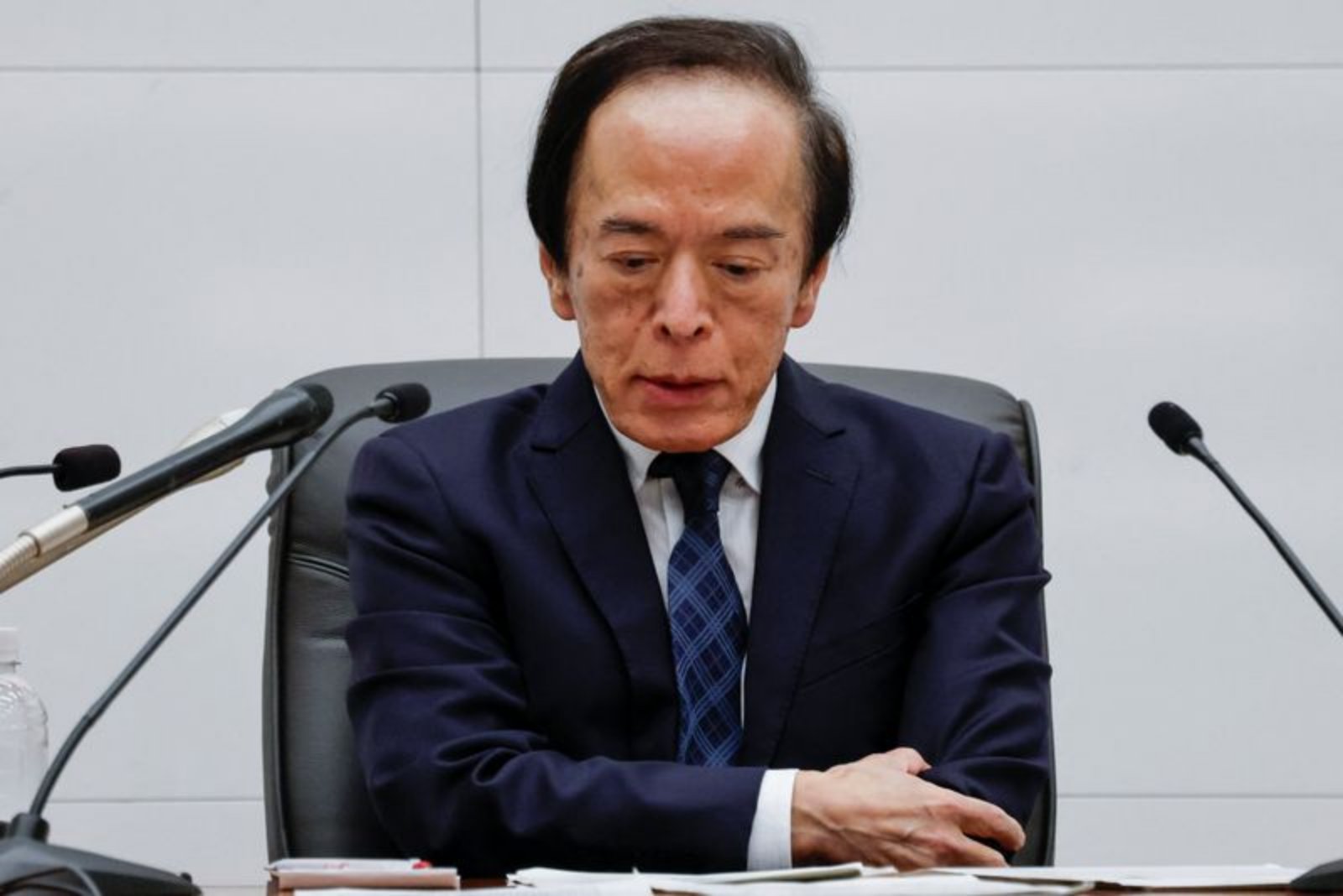
Governor Kazuo Ueda addressed reporters at a post-meeting news conference. His remarks were delivered in Japanese and provided in English through official translation. On the subject of future rate moves, he emphasized that the central bank will tie the timing and probability of additional hikes to observed economic conditions and price trends.

"As for the likelihood and timing of future rate hikes, we will make a decision looking at the economy, price developments at the time, as well as the likelihood of durably achieving our price target."

Ueda also warned that recent policy steps taken by the government to soften the impact of inflation, combined with rising oil prices, will complicate efforts to measure underlying inflation reliably. In response, the BOJ signaled it will expand the information it releases on core consumer inflation to provide a clearer picture.

"It will likely become increasingly difficult to gauge underlying inflation partly due to the government’s steps to cushion the blow from inflation, and rising oil prices. As such, we will release more thorough information on core consumer inflation. We will also re-calculate Japan’s estimated natural rate of interest and release our findings once necessary preparations are completed."

The bank's commitment to re-estimate the natural rate of interest and to publish more detailed inflation metrics indicates an effort to refine the data inputs that will inform future policy decisions. Beyond the decision to leave the rate at 0.75%, the meeting reinforced a deliberate, data-dependent approach to any future tightening.


Contextual takeaways

  • The BOJ maintained its short-term policy rate at 0.75% after a two-day meeting ending on Thursday.
  • Hajime Takata repeated an unsuccessful push to raise rates to 1.0%.
  • Governor Ueda said further rate decisions will depend on economic and price developments and the likelihood of sustainably meeting the BOJ's inflation objective.
  • The bank will provide more detailed core inflation data and re-calculate the estimated natural rate of interest, publishing results when preparations are complete.

Risks

  • Rising oil prices linked to the Middle East conflict could push up underlying inflation and complicate policy calibration - energy and consumer goods sectors may see cost pressures.
  • Government measures to cushion inflation may obscure underlying price signals, making it harder for the BOJ to assess true inflation momentum - this creates uncertainty for monetary policy-sensitive sectors such as banking and fixed income.
  • Disagreement within the BOJ, illustrated by repeated but unsuccessful proposals to raise rates to 1.0%, could lead to shifts in market expectations if internal views change - market volatility risks for sovereign bonds and interest-rate derivatives.

More from Economy

ING Lays Out Three Pathways After Strait of Hormuz Blockage Mar 19, 2026 UK Regular Wage Growth Eases to 3.8% as Energy-Driven Inflation Pressures Rise Mar 19, 2026 Central Bankers Sound Alarm as Energy Shock Raises Inflation Risks Mar 19, 2026 Elections Across the Globe Could Increase Market Volatility as Voters React to War, Tariffs and Economic Strain Mar 19, 2026 Middle East Conflict Clouds Fed Rate Path as Oil and Markets React Mar 19, 2026