
Investors should refrain from reversing recent risk-averse trades amid the evolving conflict tied to Iran, according to BCA Research. The firm's chief geopolitical strategist, Matt Gertken, says the shock is still playing out and could have deeper economic effects than markets currently assume.
“It is too soon to sell the rip in oil or buy the dip in stocks,” Gertken said, adding plainly: “Stick with risk-off trades for now.”
Gertken and BCA argue that market pricing may be understating the scale of the confrontation. The firm's analysis concludes the United States and Iran are now "too deeply involved in conflict to avoid significant negative economic ramifications."
BCA places a 50%–87% weighted probability on a major oil supply shock following U.S. strikes on core elements of the regime and threats directed at Iran’s Islamic Revolutionary Guard Corps (IRGC). That elevated likelihood underpins the firm’s caution on risk assets and supports its continued long oil exposure.
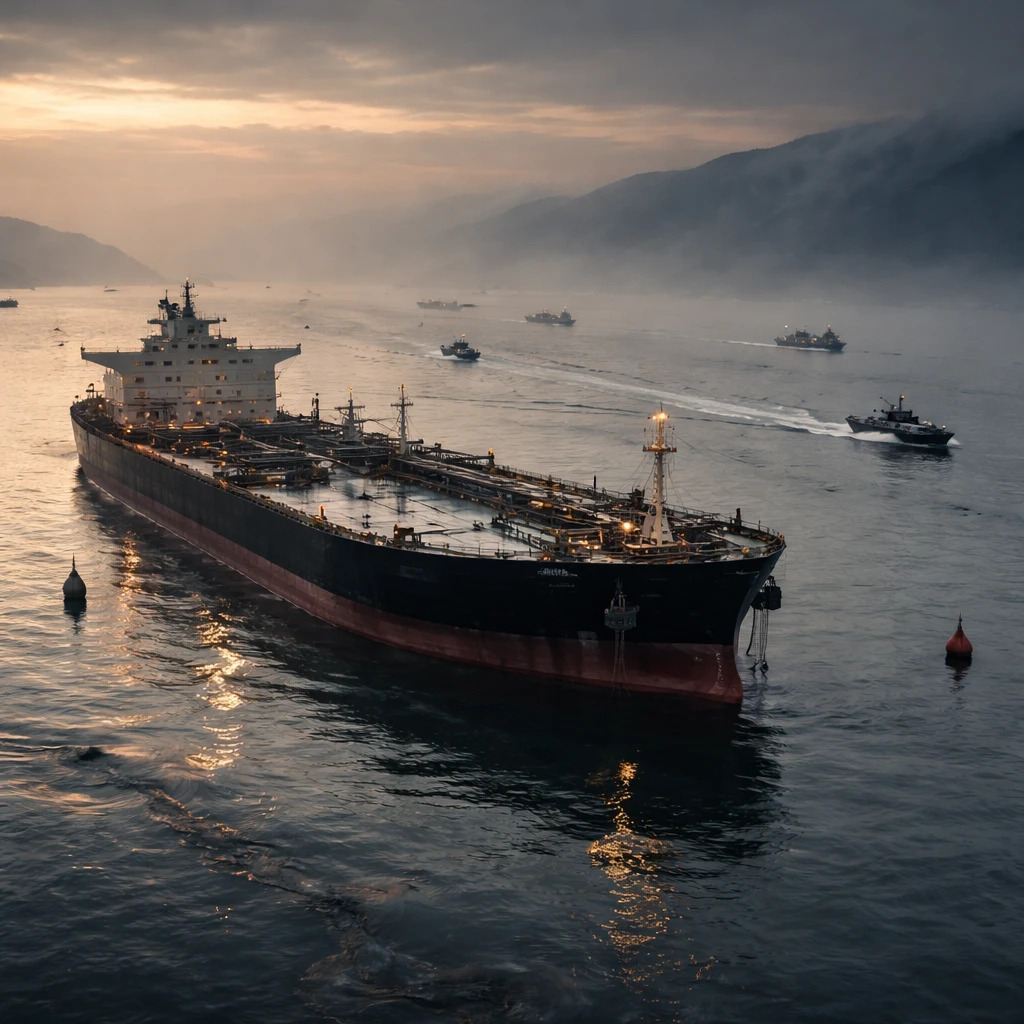
Gertken wrote that "Indeed, regionwide war erupted. The Strait of Hormuz is largely closed to traffic, implying what should be the largest energy shock in modern history," while noting that the eventual length and severity of damage remain uncertain.
Although Tehran’s immediate responses have been described as "fairly ineffective," Gertken emphasizes Iran retains asymmetric capabilities and incentives to raise the economic cost of the conflict. "Hence we would bet that the war’s full impact on global energy supply and economy remains unrealized and that global financial markets are underrating events so far," he added.
One principal upside risk to BCA’s cautiously bearish outlook would be a swift political reversal that ends the campaign. While markets might be assuming President Donald Trump could stop the offensive and move to negotiate, Gertken warns such a clean exit may already be implausible given stated U.S. objectives of crippling the regime.
Energy is identified as the primary transmission mechanism for economic pain. BCA notes OPEC represents about 31% of global oil production, and estimates roughly one-fifth of global supply is currently blocked in the Strait of Hormuz. If elevated prices persist, the firm sees Europe and China as especially exposed because of their oil import reliance.
On portfolio positioning, BCA has leaned into trades that reflect Iran risk. That has included overweighting U.S. Treasuries, maintaining overweight U.S. equities versus European and Chinese equities, and favoring defensive sectors. The firm intends to keep its long oil position until it is confident Iran no longer poses a material threat to regional infrastructure and shipping lanes.
Should a major oil shock be avoided, BCA leaves open the possibility of rotating back into international equities at a later date. For now, however, the research house plans to maintain a defensive posture in markets while the conflict and its effects on global energy supply remain unresolved.
Bottom line: BCA Research recommends holding risk-off exposures and a long oil trade as the Iran conflict continues to evolve, arguing that significant economic and energy-market impacts are likely still ahead and that global markets may not yet be pricing in the full extent of those risks.