
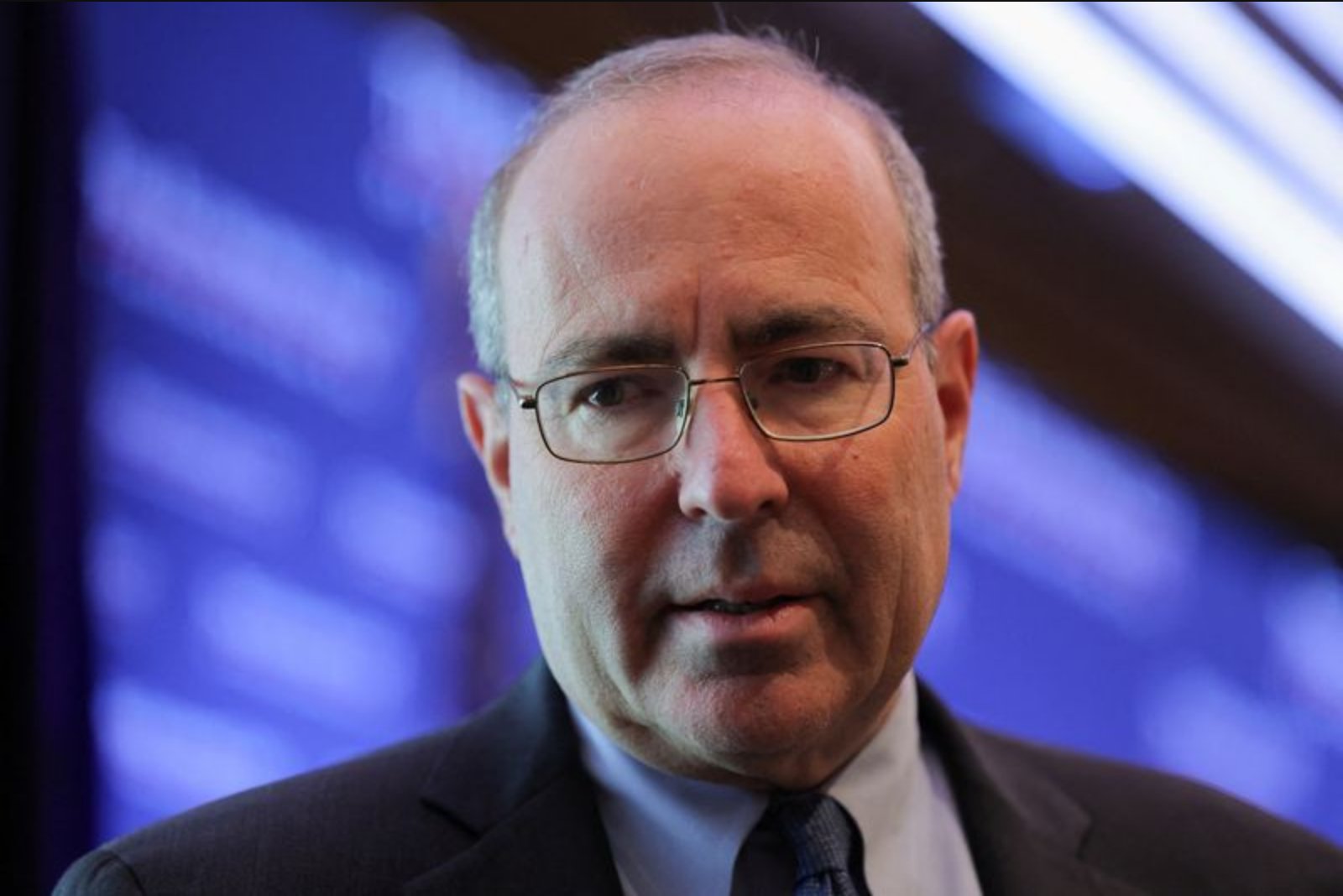
Richmond Federal Reserve President Tom Barkin said persistent inflation and stronger recent payroll data could alter the Federal Reserve's assessment of upside and downside risks as policymakers monitor price pressures and labor-market strength. Barkin also warned that the U.S. conflict with Iran could add upward pressure to consumer prices, further complicating the policy outlook.
Barkin said the rationale for the Fed's rate reductions last year rested on a particular reading of risks. "The Fed rate cuts last year were based on the sense that the risks of the labor market were up while the risk to inflation were down," he said on Bloomberg Television. "The data that’s come in over the last couple months suggests it has moved in the other direction," Barkin added, describing a recent shift in incoming indicators.
Looking ahead to an imminent data release, Barkin pointed to the Personal Consumption Expenditures price index as a key gauge. He said the PCE report expected next week is anticipated to show inflation running about a percentage point above the Fed’s 2% goal. "With the PCE numbers that we’re expecting next week, you’ve got a couple months of relatively high inflation. That certainly puts pause to any conclusion that we’re done fighting this," he said.
In his comments, Barkin linked three elements: the evolving signal from labor-market data, the persistence of inflation readings in recent months, and the risk that geopolitical tensions could push energy and other consumer costs higher. Together, he suggested, those developments could prompt a reassessment of whether the balance of risks favors easing or continued vigilance.
Barkin’s remarks underscore the Federal Reserve’s reliance on fresh incoming data when judging policy direction. By noting the potential for the risk picture to shift, he emphasized that recent developments have made a definitive declaration about the end of the fight against inflation premature.
Key points
- Persistent inflation and stronger recent jobs data could shift the Fed’s risk assessment, influencing the policy stance.
- The upcoming PCE report is expected to show inflation roughly one percentage point above the Fed’s 2% target, complicating calls that inflation is under control.
- Geopolitical tensions related to the U.S. conflict with Iran pose an additional upside risk to consumer prices.
Risks and uncertainties
- Persistent inflation readings over recent months could delay or alter prospects for further policy easing - this affects interest-rate-sensitive markets and consumers facing higher prices.
- Stronger-than-anticipated labor data may reduce the downside risks in the labor market, which could influence the Fed to remain cautious about declaring victory over inflation - this impacts labor-intensive sectors and employment-sensitive financial markets.
- Escalation or broader effects from the U.S. conflict with Iran could push up energy and other consumer prices, introducing additional uncertainty for inflation trends and market expectations.