
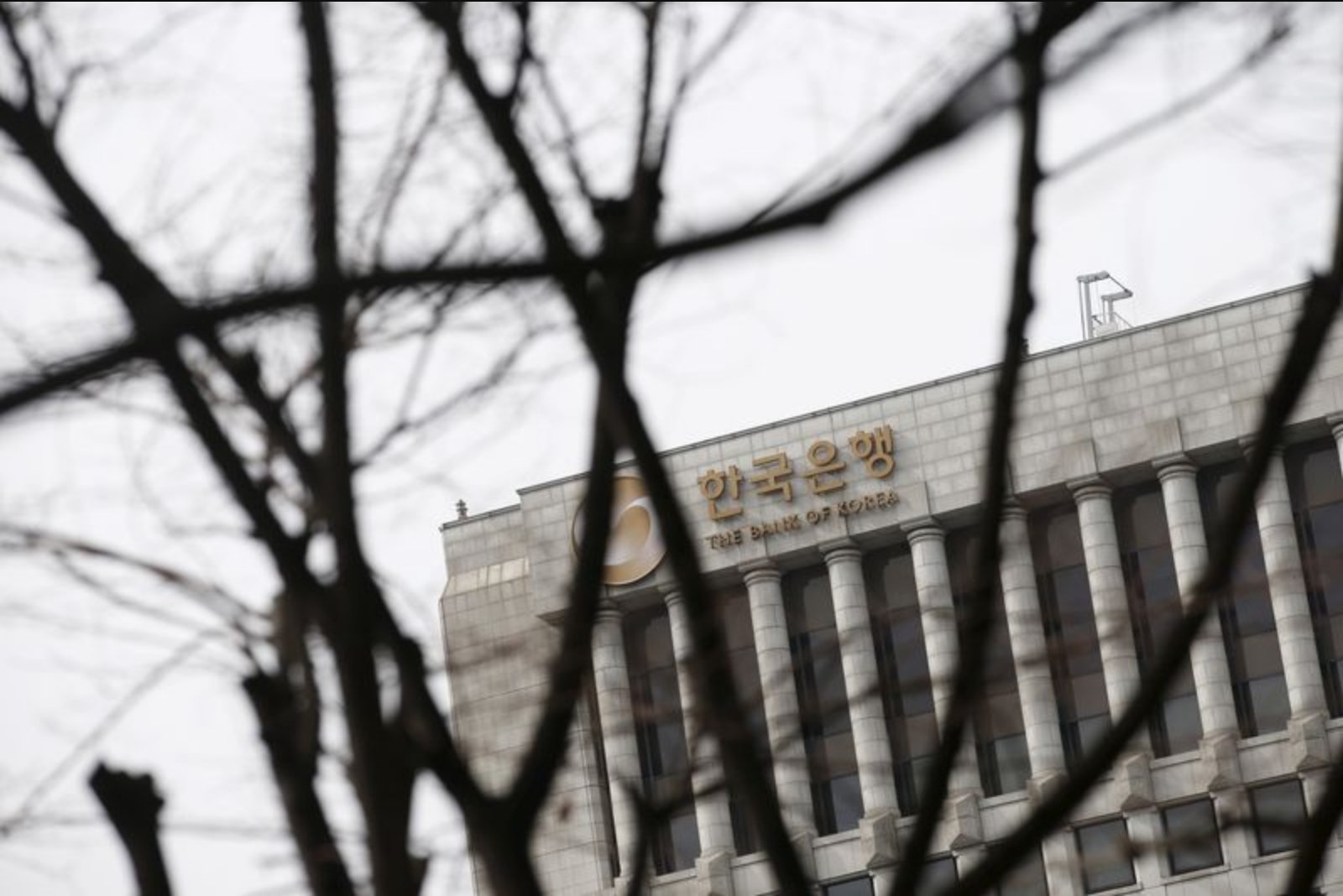
South Korea’s central bank is expected to maintain its base interest rate at 2.50% at its upcoming policy meeting and keep that stance through 2026, according to a Reuters poll of economists conducted Feb. 19-23. The unanimous forecast among respondents reflects growing caution at the Bank of Korea as authorities confront currency swings and a stretched housing market that together raise financial stability concerns.
The won has come under persistent downward pressure since the Bank of Korea’s most recent rate reduction last May, losing 5.2% in value over that period. That depreciation has drawn scrutiny from international authorities and prompted domestic measures to limit volatility, including the use of a foreign-exchange swap line between the Bank of Korea and the National Pension Service.
Against that backdrop, inflation in South Korea eased to 2.0% in January, a five-month low and in line with the Bank of Korea’s target. With consumer price growth contained, the central bank signalled last month that its easing cycle was nearing an end and that exchange-rate stability would be a priority going forward - a shift that poll respondents said made further rate cuts unlikely for the remainder of the year.
All 34 economists in the Feb. 19-23 poll predicted the central bank would keep the policy rate unchanged at the Feb. 26 meeting. Of those who reported end-2026 projections, all 30 expect the rate to remain at 2.50% through that year. That consensus marks a change from a January survey in which a notable minority of analysts still anticipated at least one more reduction in rates.
Market-watchers and analysts point to two interlocking concerns guiding the Bank of Korea’s stance: heightened currency volatility and an extended rise in housing values. "The BOK is becoming more concerned about FX and housing risks, it’s not something new but in recent meetings they’ve been highlighting these two things which make a rate cut quite unlikely this year," said Michelle Lam, an economist at Societe Generale.
Lam added that the central bank is likely to keep rates on pause for an extended period, while noting the possibility of policy tightening further out if the recovery strengthens. "Right now, CPI is contained. But if asset prices like the increase in stock prices are sustained, then that could feed into the housing market; it may be appropriate by then for the BOK to consider tightening to prevent inflation risks," she said.
Housing data underscore those concerns. According to the Korea Real Estate Board, apartment prices in Seoul rose for a 55th straight week, gaining 0.15% in the week ending Feb. 16. That persistent rally has amplified worries about financial imbalances and the potential spillovers from elevated asset prices into broader inflation dynamics.
Some forecasters have adjusted their outlooks in response to recent economic performance and external demand patterns. "We changed our forecast for Q4 2026 in part because we saw slightly better than expected economic growth in the last few quarters and it appears as if the global high-tech demand fuelled by the AI bubble will give continued tailwind to Korean exports," said Frederic Neumann, chief Asia economist at HSBC.
Neumann also noted that, given his view of the board’s reluctance to raise from the current neutral level amid financial stability concerns, market pricing that implies aggressive tightening appears excessive. He expects the policy rate to remain unchanged through 2026-27, reflecting a modest growth recovery and limited upside risks to inflation.
The unanimous poll result and the commentary from economists point to a central bank focused on balancing price stability with financial-stability considerations - prioritising exchange-rate management and the health of the housing market over additional monetary easing for the present horizon.
Summary
A Reuters poll of 34 economists indicates the Bank of Korea will hold its policy rate at 2.50% at the Feb. 26 meeting and maintain that level through 2026. The consensus reflects worries about a weakening won, a sustained rise in Seoul apartment prices and resulting financial stability risks, even as consumer inflation has eased to 2.0% in January.
Key points
- All 34 economists in the Feb. 19-23 poll forecast the Bank of Korea will keep the base rate at 2.50% at its Feb. 26 meeting - a unanimous call.
- Currency weakness - with the won down 5.2% since the last rate cut in May - and a prolonged rise in housing prices are major factors shaping policy.
- Inflation eased to 2.0% in January, matching the central bank’s target; many economists expect the policy rate to remain unchanged through 2026.
Risks and uncertainties
- Continued volatility in the currency could force policy choices that weigh on exporters and financial markets - impacting foreign exchange-sensitive sectors.
- A sustained rally in asset prices, including equities, could feed into the housing market and create renewed inflationary pressures - affecting real estate and banking sectors.
- Rising financial stability risks linked to housing imbalances could constrain the central bank’s ability to re-ease policy, influencing mortgage and consumer credit markets.