
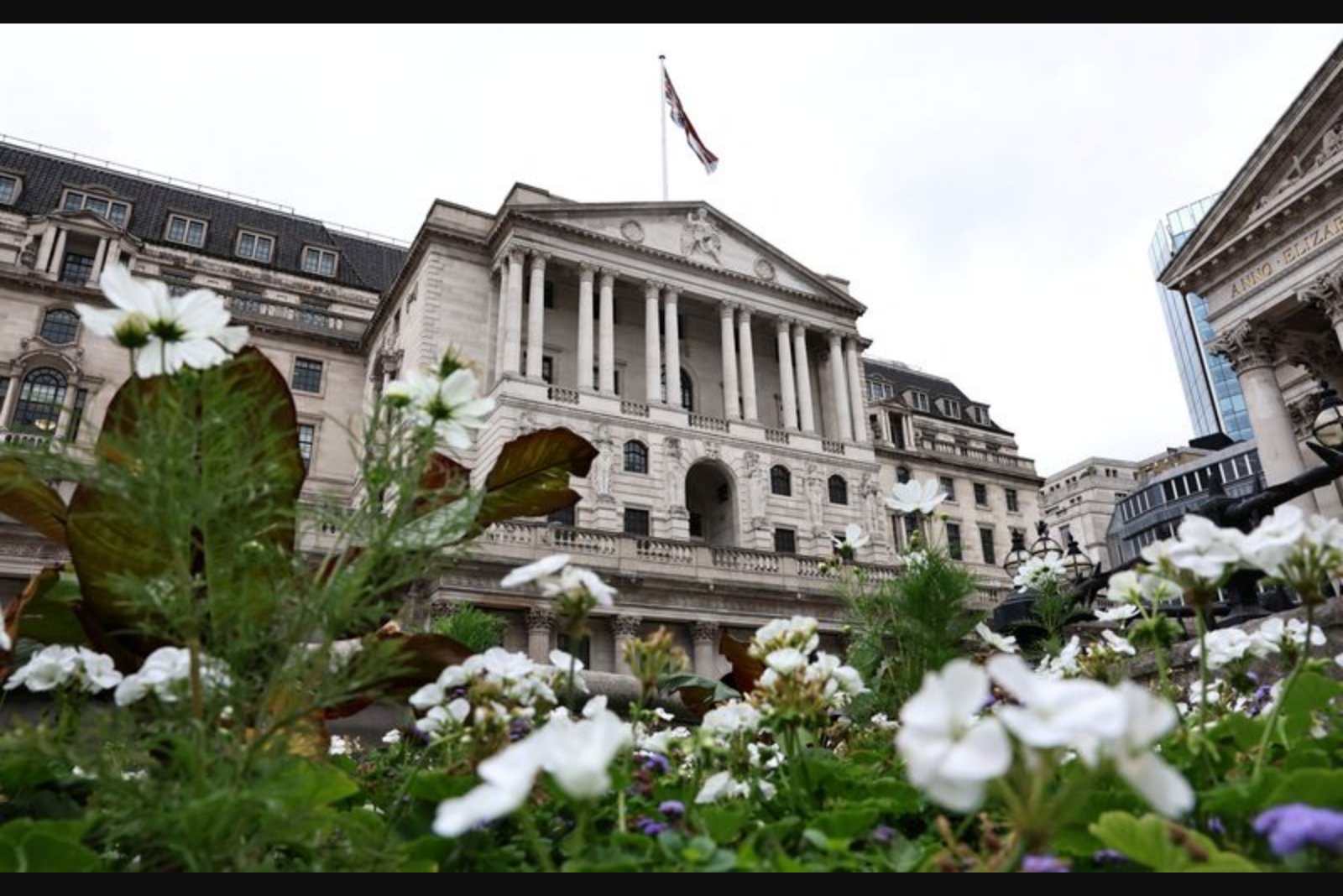
The Bank of England will adopt a cautious tone this week as it prepares to refrain from cutting interest rates amid heightened inflation risk from the Middle East conflict. Officials remain sensitive to earlier criticism that they and other central banks were slow to respond when Russia’s full-scale invasion of Ukraine helped push British inflation above 11% in 2022. That memory is shaping a careful approach to communications and policy choices now.
Governor Andrew Bailey and his colleagues on the Monetary Policy Committee (MPC) face an uncertain outlook tied to developments in the U.S.-Israeli war on Iran and the resulting volatility in global oil and gas markets. With those geopolitical dynamics still unfolding, market expectations for a rate cut at the conclusion of the MPC’s March meeting have evaporated. Economists surveyed by Reuters largely anticipate a 7-2 vote to hold Bank Rate at 3.75% rather than reduce it to 3.5% as was widely expected before the conflict began on February 28.
Even before the Gulf crisis, the United Kingdom confronted a mix of weak growth prospects and persistent inflation pressures. Analysts now judge that if oil and gas prices remain around current levels, British consumer price inflation could be pushed up to roughly 3-4% by the end of 2026, a notable rise from earlier forecasts that had centred closer to the BoE’s 2% target. That projected overshoot heightens the risk that the public’s still elevated inflation expectations could become more entrenched, a development that would make it harder for the central bank to dismiss short-term price spikes as temporary.
Polling of economists last week showed no clear agreement on the timing of any future Bank Rate cuts. Dani Stoilova, UK and Europe economist at BNP Paribas Markets 360, said she now considered only one further rate reduction likely, and only if oil prices decline from their current near-$100-per-barrel level to below $80. "There might still be a pathway for them to deliver a final rate cut to 3.5% over the next few months, but it’s looking narrower and narrower by the day," Stoilova said. Other forecasters remain more optimistic about the possibility of two cuts within the next six months.
The breadth of uncertainty is expected to prompt a revision of the BoE’s guidance on the direction of borrowing costs. In each of its two prior meetings, the MPC had signalled that "on the basis of the current evidence" rates were likely to fall further. Barclays economists now anticipate the committee will drop that specific wording and instead lean more heavily on the passage of its guidance that states "the extent and timing of further easing in monetary policy will depend on the evolution of the outlook for inflation." Investors and market watchers will scrutinise the commentary of individual MPC members for clues about the range of views inside the committee.
Edward Allenby, senior economist at Oxford Economics, said policymakers are likely to choose deliberately vague phrasing. "We think the MPC will be very conscious about the risks of making major policy errors and the potential hit to credibility should the committee be forced into a policy reversal," he said. The possibility of error is foremost in officials’ minds after past criticism over delayed responses to major geopolitical shocks.
Markets have recently priced in an increased chance that borrowing costs could rise rather than fall, reflecting the growing premium investors place on energy-driven inflation risk. Nonetheless, most economists still judge it less likely that the Bank of England will pivot to raising rates compared with the European Central Bank over the near term. At the current Bank Rate of 3.75%, the economy is struggling to generate strong growth, unemployment is on an upward trajectory, and the finance minister, Rachel Reeves, has raised the tax burden to what the article describes as its highest level since just after World War Two.
Given the intersecting strains of fragile growth, higher taxes, rising unemployment and renewed energy-price risk, some analysts expect the BoE to opt to "play for time" rather than make a decisive policy move. Paul Dales, chief UK economist at Capital Economics, commented that such a wait-and-see strategy makes sense amid pronounced uncertainty. With so many moving parts tied to the course of the Middle East conflict and the path of oil and gas prices, the committee appears likely to prioritise flexibility and credibility over an immediate return to easing.
Key points
- The BoE is expected to vote 7-2 to keep Bank Rate at 3.75% at the March MPC meeting.
- Oil near $100 a barrel and elevated gas prices could push UK inflation to about 3-4% by the end of 2026 if energy prices persist at current levels.
- BoE guidance is likely to be adjusted to emphasise that the timing and extent of future easing depends on the inflation outlook, with close attention paid to MPC members' individual comments.
Risks and uncertainties
- Persistence of higher oil and gas prices - impacts energy companies, consumer inflation, and bond markets.
- Entrenched public inflation expectations - complicates the central bank’s ability to look through short-term price swings and could influence wage-setting and consumer behaviour.
- Geopolitical unpredictability from the U.S.-Israeli war on Iran - determines duration of energy-price shock and therefore affects growth and inflation outcomes.