
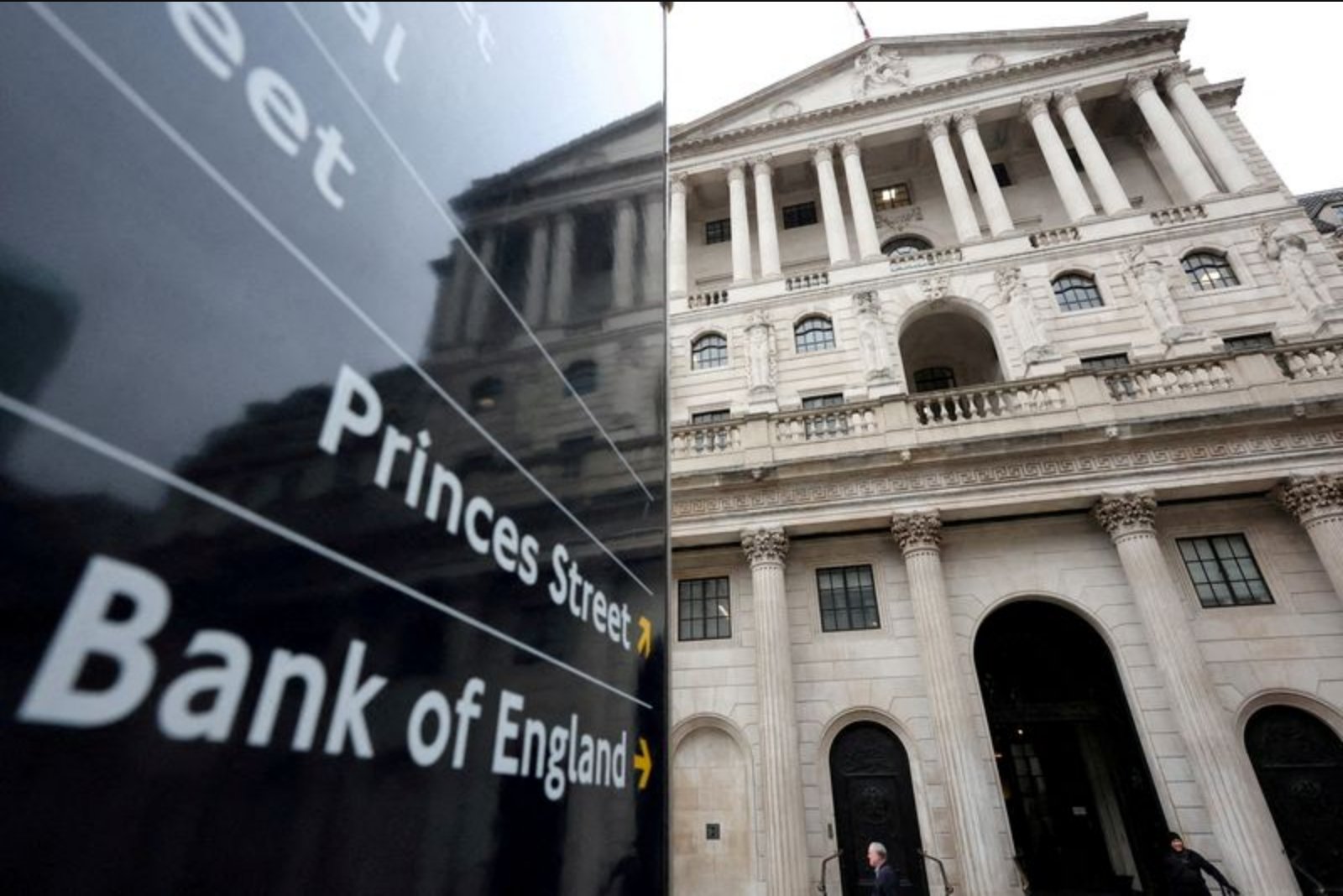
The Bank of England appears set to postpone an interest rate cut that many had viewed as probable before the outbreak of conflict in the Middle East. Policymakers are expected to adopt a cautious posture and offer limited guidance about their next moves while they assess how large an inflationary impact the jump in oil and gas prices will prove to be.
Since 2024, the BoE has reduced borrowing costs more slowly than the European Central Bank, reflecting concerns that price pressures in Britain have remained comparatively stubborn. At a time when inflation looked on track to settle at the BoE's 2% target, recent increases in energy prices now threaten to push headline inflation back toward 3% or higher.
That prospective rise would still be well below the dramatic peak of 11.1% reached in 2022, which followed Russia's full-scale invasion of Ukraine and triggered a much larger energy shock. Nevertheless, market expectations have shifted. Investors have abandoned wagers that the BoE would deliver two rate cuts this year and, as of Wednesday, were assigning a substantial probability to a rate increase by November.
Market and economic backdrop
Most economists surveyed expect the Monetary Policy Committee to opt for a pause in its sequence of rate reductions rather than to pivot to raising rates, given the fragile condition of the UK economy. James Moberly, senior UK economist at Goldman Sachs, summarized the dilemma facing the MPC: "We see a high hurdle for hikes. Unlike in 2022, the starting point for monetary policy is restrictive and the MPC faces a trade-off given that the unemployment rate is already elevated."
The unemployment rate climbed to 5.2% in late 2025, its highest level in nearly five years, while wage growth of 4.2% remains above what many BoE officials consider comfortably consistent with the inflation target. The committee will have had an early read on new labour market data that were scheduled for publication at 0700 GMT on Thursday, which could factor into members' judgment.
Expectations for the March decision
A Reuters poll of economists indicated that the most likely outcome of the March meeting is a 7-2 split among the nine MPC members in favor of leaving Bank Rate unchanged at 3.75% when the committee announces its decision at 1200 GMT. Prior to the outbreak of hostilities in the Middle East, Governor Andrew Bailey - who has cast the decisive vote in the last three MPC decisions - had described a March cut as "a genuinely open question."
With no press conference planned after the announcement and no fresh official economic forecasts due to be published alongside the decision, market participants will comb through comments by individual committee members to glean any shifts in their thinking. Analysts generally expect most members to avoid clear signals about future moves, and they anticipate that the MPC's statement will drop recent language suggesting that rates were likely to fall further.
Broader central bank caution
Other major central banks meeting this week, including the European Central Bank, are also expected to act cautiously in light of the uncertainty stemming from the conflict. The heightened volatility in energy markets and the potential for second-round effects on prices have made policymakers elsewhere similarly wary of committing to a path of near-term easing.
Some economists, including Moberly, still foresee a cut later in the year. He said he expects interest rates to be reduced in July provided the disruption to shipping in the Strait of Hormuz is resolved soon, a conditional outlook that underscores how sensitive the policy trajectory has become to developments in energy markets and global shipping routes.
For now, the prevailing view among markets and many forecasters is that the BoE will press the pause button - keeping rates at current levels - while leaving open a wide range of possibilities should inflationary pressures prove persistent or intensify further.