
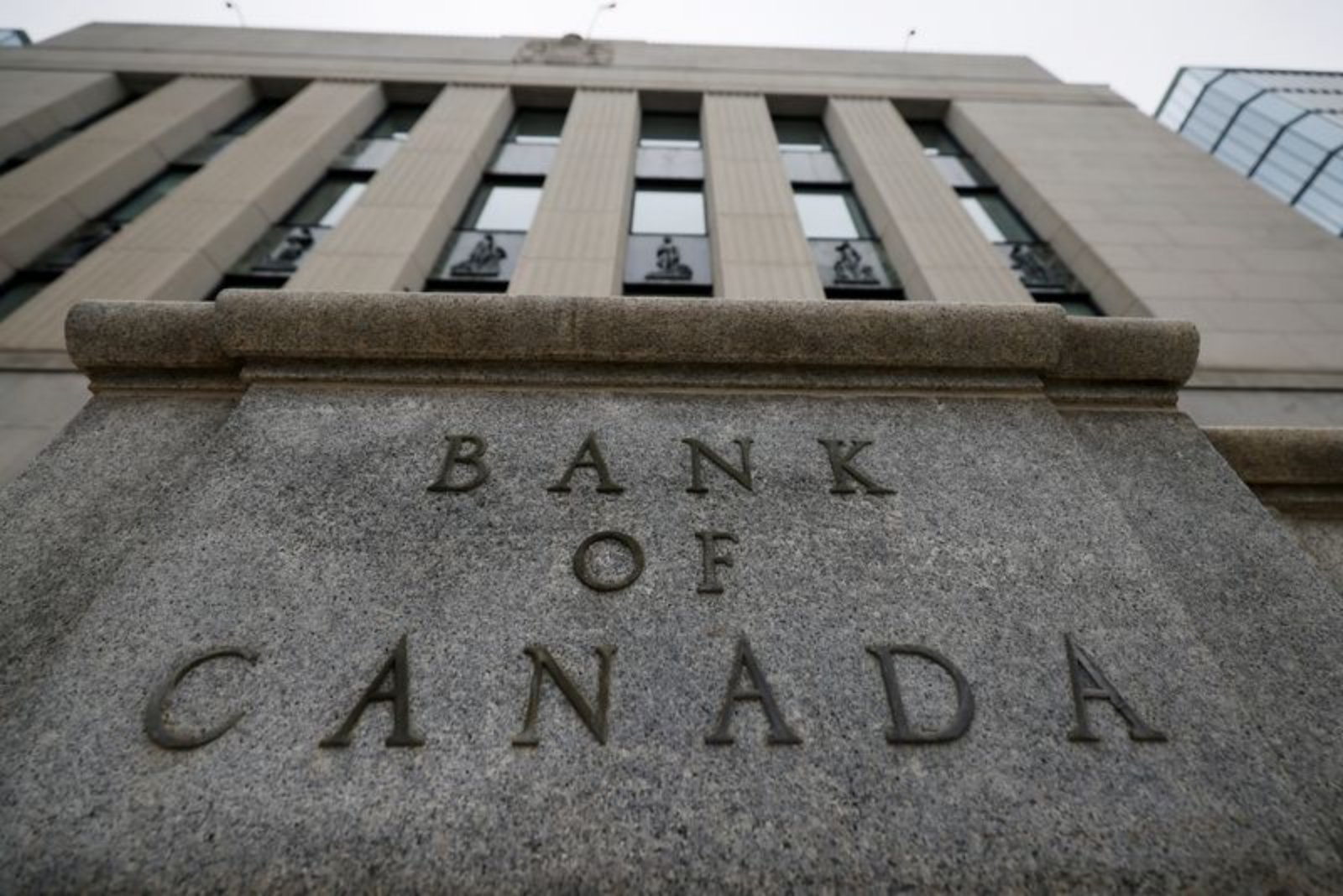
Bank of Canada Governing Council members said weaknesses in the perceived independence of the U.S. Federal Reserve have compounded an already volatile global backdrop, according to the summary of their January meeting released on Wednesday. The council linked concerns over central bank autonomy to a broader resurgence in uncertainty that has coincided with several geopolitical flashpoints.
The minutes quoted the deliberations directly: "Recent geopolitical events - including in Venezuela, Iran and Greenland - and threats to the independence of the Federal Reserve had made the world more turbulent and caused a resurgence in uncertainty," the summary read. Those comments were part of discussions held by the seven-member Governing Council prior to making their monetary policy decision on January 28.
At the time of that meeting the council chose to leave the policy rate unchanged at 2.25%. In the published notes, members acknowledged the unusual degree of uncertainty in the international environment and said it complicated their ability to weigh risks to the economic and inflation outlook. The deliberations described the prevailing uncertainty as having "no historical precedent," making it difficult to assign probabilities to the various upside and downside risks they faced.
Bank of Canada Governor Tiff Macklem was quoted in the minutes as welcoming the nomination of former Federal Reserve Governor Kevin Warsh to head the U.S. central bank when Jerome Powell's term ends in May, saying Warsh "had a deep knowledge of financial markets and the international monetary system." The minutes also noted that President Donald Trump had repeatedly criticized Powell and had demanded that he cut interest rates, and that the deliberations occurred before Mr. Trump chose Warsh.
Governing Council members highlighted a shift in the use of U.S. trade policy, saying it was increasingly deployed for geopolitical purposes rather than strictly economic objectives. They warned that escalating tensions - including those cited in the minutes - could disrupt global supply chains and weigh on economic activity, presenting both upside and downside risks to inflation.
Within that context, the council observed that the prevailing policy stance was on the stimulative side of its estimate for the neutral rate. Members agreed that, given the wide range of possible outcomes and the difficulty of forecasting timing and direction of future moves, they "would need to maintain optionality in setting monetary policy," according to the minutes.
The deliberations also covered the forthcoming review of the United States-Mexico-Canada trade agreement. Council members assessed the review as a potential downside risk to growth, reflecting concerns that changes or uncertainty around the pact could have negative implications for economic activity.
Overall, the minutes paint a picture of a central bank navigating an unusually uncertain external environment - one in which questions about central bank independence, shifting trade policy objectives and geopolitical tensions all factor into the assessment of risks to growth and inflation.