
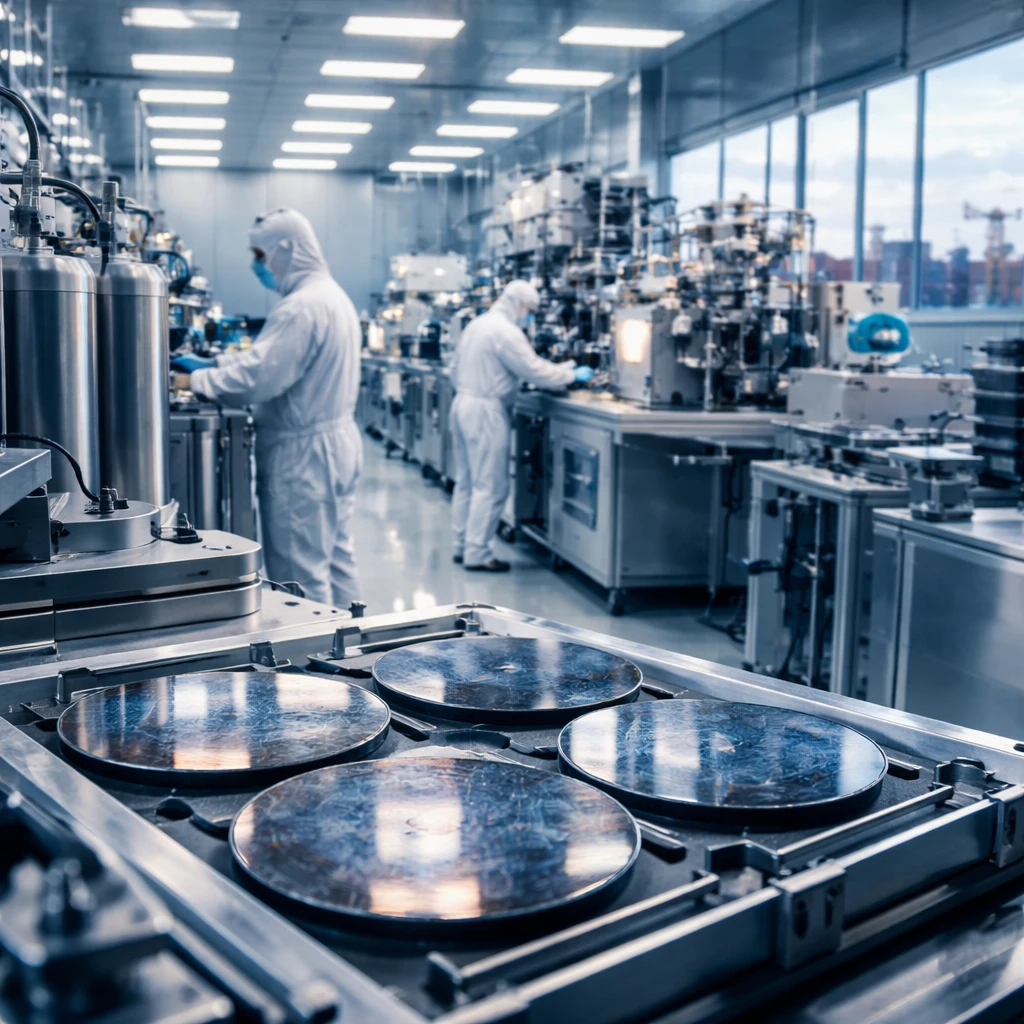
Bank of America has revised upward its expectations for the global memory chip sector, concluding that the current conflict linked to Iran is unlikely to prompt cuts to semiconductor production.
In its assessment, the bank said immediate supply-chain concerns tied to the Middle East appear limited because memory manufacturers are carrying substantial inventories of critical materials used in semiconductor fabrication. Inputs specifically named include helium and bromine, which play roles in cooling systems and chip etching processes and are partly sourced from producers in the Middle East.
Industry checks conducted by the bank indicate that memory producers presently hold roughly four to six months of these supplies. That inventory cushion reduces the chance of near-term shortages stemming from disruptions in the region.
Producers have also been shifting procurement patterns to mitigate regional risk. The report notes that companies are increasing orders from suppliers in the United States and Japan to diversify sources and offset potential interruptions tied to Middle East supply chains.
Energy supply risks were also evaluated and deemed manageable. Major semiconductor manufacturing hubs - including Taiwan, South Korea and Japan - rely significantly on liquefied natural gas for electricity generation. According to the bank, additional LNG shipments from the United States and the availability of alternative power sources could help stabilize electricity supply if required. Based on these factors, the firm does not expect memory chip production cuts as a consequence of the Iran conflict.
Separately from the risk assessment, Bank of America raised its forecasts for memory chip prices and industry revenue. The bank pointed to stronger contract pricing trends and improving demand as the rationale for the upgrades.
Specifically, the firm increased its first-quarter forecast for DRAM average selling prices and now anticipates stronger pricing for NAND products as well. It cited tightening supply conditions along with rising demand from artificial intelligence infrastructure and data centers as supporting factors for improved pricing.
Looking ahead, Bank of America expects the global memory market to record stronger revenue growth in 2026. The bank framed that outlook as a continued recovery from the downturn of previous years, supported by AI-driven demand and improving prices across both DRAM and NAND segments.
Note on scope - The bank's conclusions are drawn from its industry checks and the factors explicitly referenced above. The assessment highlights current inventory levels, supplier diversification efforts and energy supply options as the main reasons it does not foresee production cuts tied to the Iran conflict.