
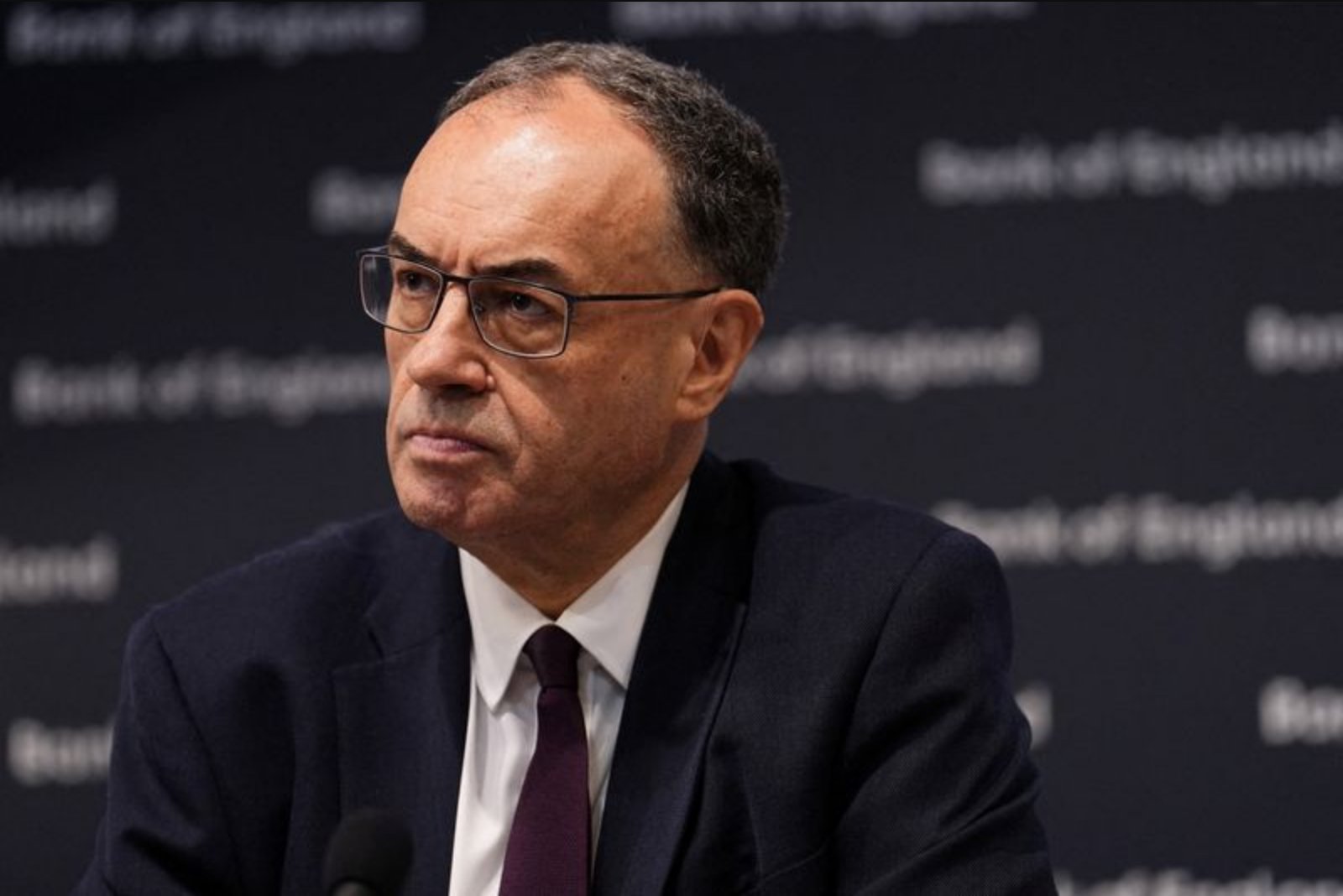
LONDON, Feb 24 - Bank of England Governor Andrew Bailey said on Tuesday that a reduction in interest rates at the central bank's March meeting remained a possibility, but that he would need additional evidence before feeling confident enough to support a cut.
Speaking to parliament's Treasury Committee, Bailey noted that recent data on services price inflation - a closely watched measure of domestic inflationary pressure - had not diminished as much as the Bank of England had hoped. He said he voted with a 5-4 majority on the Monetary Policy Committee to hold interest rates this month and set out the conditions under which a change in policy at the March 19 announcement might be considered.
"Well, we’ll see. I think at the moment I would say we’re still a little way off (from) the next meeting.... It is a genuinely open question at the moment," Bailey told lawmakers.
Bailey repeated the Bank of England's expectation that headline consumer price inflation will fall sharply to around the central bank's 2% target in the April data, which are scheduled to be published in May. Official figures released last week showed consumer price inflation cooled to 3.0% in January, a result only slightly above the BoE's forecast issued earlier this month.
However, the governor flagged that services price inflation for January was higher than the BoE had projected. Services inflation came in at 4.4%, compared with the Bank's projection of 4.1% for the month.
"Food prices were off a bit more than we expected, but services prices .... didn’t come off as much as we thought they would," Bailey said.
Huw Pill, the Bank of England's chief economist, echoed concerns about remaining price pressures beneath the headline figures. Pill, who earlier this month said he believed the Bank had reduced interest rates too quickly for his preference, warned against complacency despite the expected dip in headline inflation.
"It’s important that we are not beguiled by the achievement of 2% headline CPI inflation. I think there’s an element of us in the past having ... given more weight to that than perhaps we should have done," Pill said.
Pill added that it remains important for policymakers to "bear down" on inflation pressure, signalling a continued focus on the strength of underlying inflation even as headline measures trend lower.
For now, the Bank of England's policy path appears data-dependent: headline inflation is expected to approach target by the April release, but stickier services inflation and the need for additional evidence mean the possibility of a March rate cut cannot be treated as certain.