
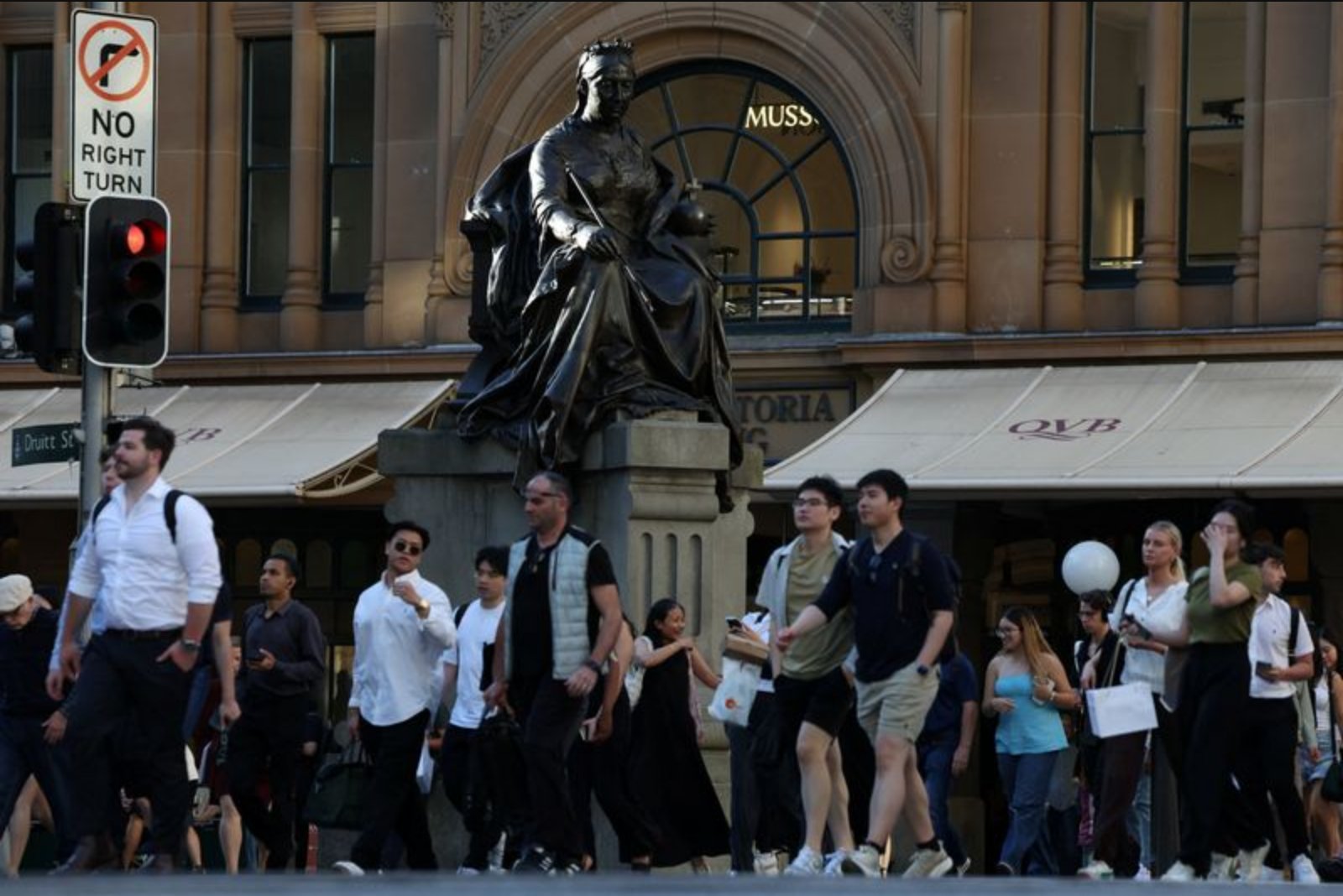
Australian employment expanded by 48,900 in February compared with January, comfortably exceeding market expectations, but the jobless rate increased to a three-month high as workforce participation rose, producing a mixed signal for monetary policy.
Data from the national statistics agency showed net employment climbed 48,900 in February, following a revised 26,000 increase in January. Economists had been forecasting a gain closer to 20,000.
The composition of the gain was uneven. Part-time positions surged by 79,400, driven in part by workers aged 65 and over who delayed retirement last month. By contrast, full-time employment fell by 30,500. Overall hours worked declined by 0.2%.
The unemployment rate moved up to 4.3% after holding at 4.1% for two months, with the participation rate rising to 66.9% as more people joined the labour force.
Commenting on the results, AMP economist My Bui said: "The February jobs report leaned slightly weaker on the headline measures. With two consecutive rate hikes, we expect that the labour market would show some slack, albeit slowly, with the unemployment rate inching towards 4.4-4.5% by the end of this year."
Authorities have cited a still-resilient labour market as a factor supporting recent interest rate increases. The central bank raised rates for a second month running on Tuesday, citing inflationary pressures heightened by the Iran war.
Market pricing at the time implies roughly a 57% probability that the Reserve Bank of Australia will hike rates by a further quarter-point to 4.35% at its May meeting, with investors assigning about 50 basis points of additional tightening this year.
ABS head of labour statistics Sean Crick noted shifts within the pool of jobseekers, saying there were fewer people who had been waiting to start a job in January moving into employment in February and that there were more people remaining unemployed.
Oxford Economics Australia economist Harry McAuley observed early signs of a slowdown, stating: "The labour market has shown early signs of slowing down in February." He added he now expects the unemployment rate to peak at just shy of 4.6% in early 2027 as the economy slows. "The key risk to the outlook is the severity and length of disruptions to key oil and gas routes in the Middle East," he said.
Implications
The report presents a nuanced picture: a stronger-than-anticipated headline employment gain, but shifts toward part-time work and a rising participation rate that pushed up the unemployment rate. For policymakers, the data complicates the assessment of slack in the labour market and the appropriate path for interest rates.