
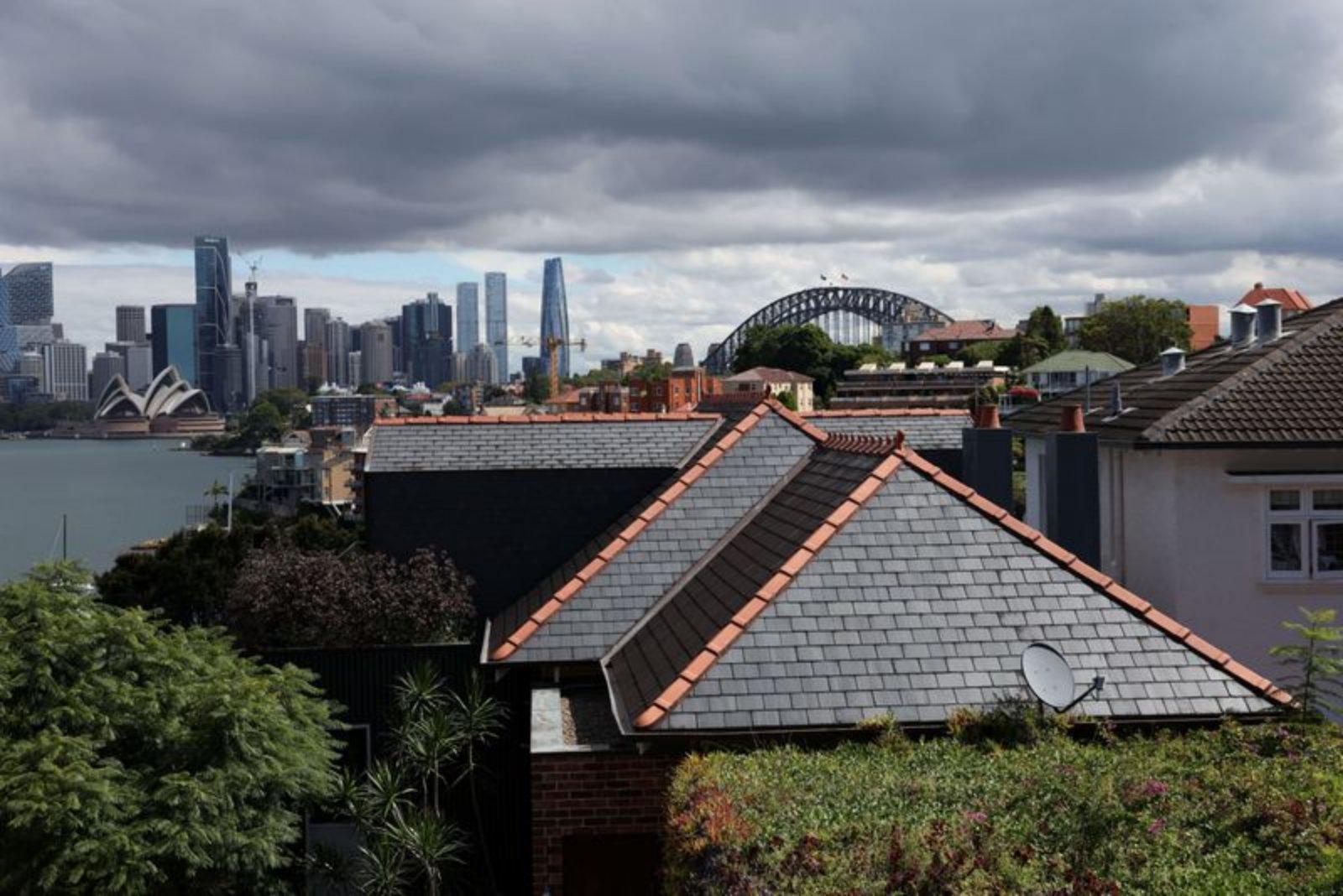
SYDNEY, March 2 - Australia recorded another monthly increase in housing values in February, with mid-sized capitals driving much of the momentum, Cotality data showed on Monday.
The national index climbed 0.8% in February, taking the record median home value to A$922,838 ($649,308.82). Perth posted the strongest monthly gain among the major markets, rising 2.3%, while Brisbane and Adelaide increased by 1.6% and 1.3% respectively. Cotality attributed these rises in part to persistently low levels of available inventory.
Those gains came after the Reserve Bank of Australia raised its cash rate by 25 basis points last month to 3.85% - a move the central bank made following a re-acceleration in inflation after three rate cuts the previous year. The RBA cited looser financial conditions and booming property prices among the considerations behind the decision.
By contrast, Sydney and Melbourne markets were unchanged in February. Cotality said both cities saw a notable increase in new listings during the month, which may be influencing the flat readings.
Advertised stock in Sydney was 9.7% above the five-year average, while in Melbourne advertised supply was almost 12% higher than its five-year norm. Cotality research director Tim Lawless noted that vendors in those markets were becoming more motivated to sell.
The market strength was concentrated at the more affordable end in at least one major city. In Sydney, lower quartile house values rose 0.8% in February while upper quartile values fell 0.9% during the month. "First home buyers, investors and subsequent buyers are all competing across this sector of the market," Lawless said, adding that credit is less available at higher price points because of serviceability constraints.
Summary
- National home values increased 0.8% in February to a median of A$922,838 ($649,308.82).
- Perth, Brisbane and Adelaide recorded the strongest monthly gains, supported by tight inventory.
- Sydney and Melbourne were flat amid rising advertised listings and shifting strength toward lower-priced segments.
Key details
- The Reserve Bank of Australia raised interest rates by 25 basis points to 3.85% following a rebound in inflation after last year’s rate cuts.
- Advertised stock was 9.7% above the five-year average in Sydney and almost 12% higher in Melbourne.
- Lower quartile values in Sydney rose 0.8% while upper quartile values fell 0.9% in the month.
Impacted sectors
- Residential property markets, particularly in mid-sized capitals and lower-priced segments.
- Mortgage and consumer credit markets, given serviceability constraints at higher price points.
- Housing supply and real estate listings activity in Sydney and Melbourne.
Risks and uncertainties
- Higher interest rates could temper future housing demand or price growth - an outcome the RBA’s rate move aimed to address.
- Rising advertised stock in Sydney and Melbourne may presage weaker price momentum in those markets over coming months.
- Credit availability constraints at the upper end of the market could dampen demand for higher-priced homes and affect related lending sectors.
Currency note: $1 = 1.4213 Australian dollars.