
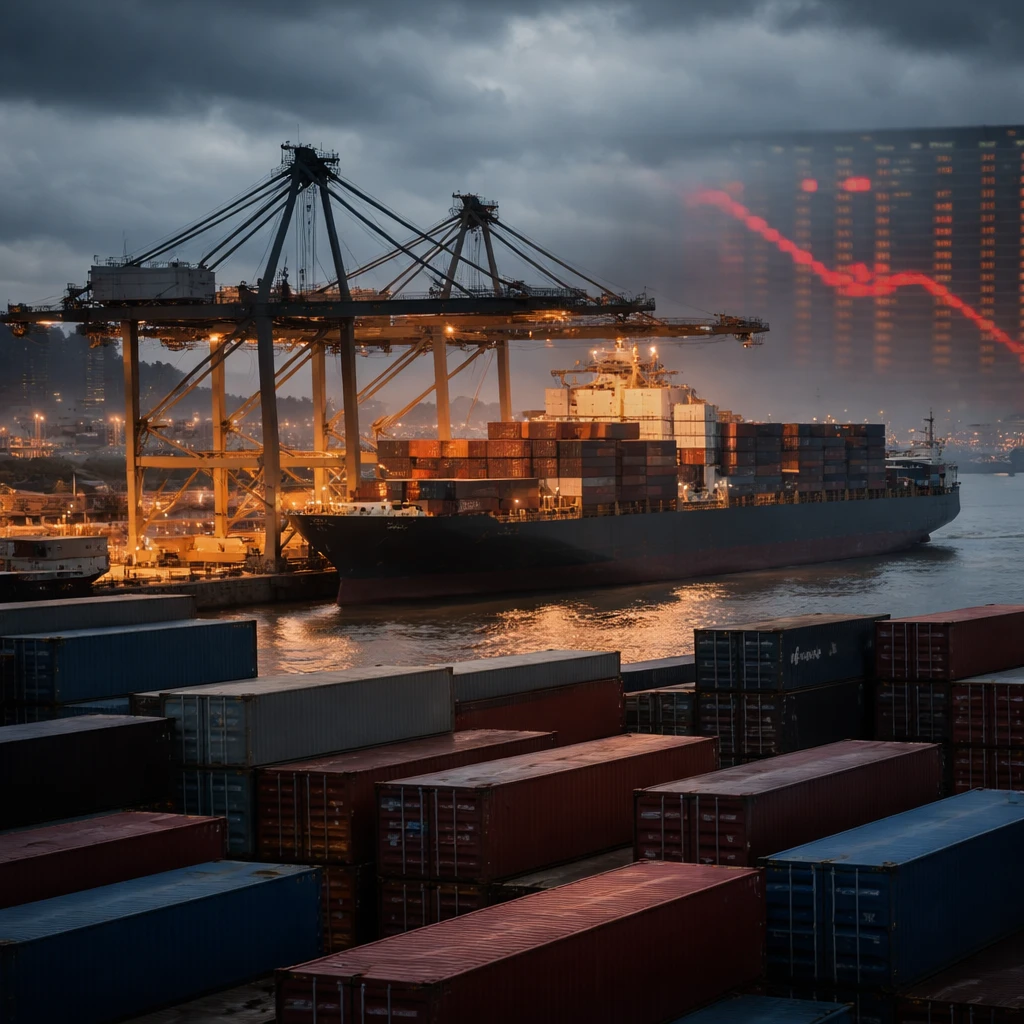
The Australian government has pledged to "examine all options" after the U.S. administration moved to increase a baseline global import tariff to 15%, a sudden escalation that came just 24 hours after a 10% rate was initially proposed. The rapid shift has unsettled trade partners and markets.
Trade Minister Don Farrell described the action as "unjustified," signaling tension between close strategic allies. The change follows a U.S. Supreme Court decision that found the administration's prior targeted tariff mechanism unlawful. In response, the White House shifted to a blanket tariff applying broadly to imports.
Under the current timetable, the initial 10% levy is scheduled to take effect at 12:01 a.m. EST on February 24. The administration has not provided a clear timeline for when the additional 5% would come into force, leaving exporters with goods already in transit in a state of uncertainty.
Economic exposure for Australia
For Australia, the implications are significant. The country is a major exporter of iron ore, liquefied natural gas (LNG), and agricultural products; a uniform 15% tariff would reduce the price competitiveness of those goods in the U.S. market. Minister Farrell said Canberra is coordinating with its Washington embassy to assess the potential damage.
Market analysts have suggested that the government's pledge to "examine all options" could involve formal complaints at the World Trade Organization (WTO) or retaliatory tariffs targeting U.S. goods. Such steps would represent an uncommon trade confrontation between allies in the AUKUS partnership.
The move to a blanket 15% approach has been characterized by some observers as a "one-size-fits-all" strategy that does not account for traditional bilateral considerations. If Australia proceeds with retaliatory measures, those actions could affect multi-billion dollar energy and defense contracts that are currently under negotiation.
Market reaction and corporate implications
Investor response has been immediate. The Australian Dollar (AUD) came under pressure as markets recalibrated the outlook for the country's trade balance. Mining and energy equities have moved more cautiously amid the new uncertainty.
If the 15% tariff is applied without exemptions for allies, Australian exporters may be compelled to accelerate shifts toward Asian markets. This directional change could contribute to a broader realignment of trade relationships between Western economies and the Asia-Pacific region.
Analysts warn that the additional costs from tariffs are likely to be passed on to U.S. consumers, an outcome that could feed into inflationary pressures. With the February 24 start date for the initial 10% levy approaching, market participants are closely watching for further guidance from the White House on possible exemptions.
Immediate uncertainties
- Timing of the extra 5% increase remains unclear, creating logistical and pricing uncertainty for exporters with goods in transit.
- Potential for formal WTO disputes or reciprocal tariffs could escalate a diplomatic and trade rift between close allies.
- Absence of clarity on exemptions may push Australian firms to reorient trade flows toward Asia, altering long-standing market relationships.
All eyes are on the approaching deadline. If the administration does not clarify exemptions for allies, officials warn a more formal trade confrontation could follow. Until further details are released, the short-term economic and market impact will continue to be assessed by governments, companies, and investors.