
Global foreign exchange markets in February were largely steered by changing expectations about monetary policy rather than by the broader array of geopolitical and market developments that unsettled investors during the month.
While headlines ranged from geopolitical tensions to a pivotal U.S. Supreme Court ruling on tariffs and shifting enthusiasm for artificial intelligence trades, the dominant force behind currency moves was the adjustment of rate trajectories across major central banks.
Australian dollar: strongest G10 performer
The Australian dollar continued to strengthen on expectations the Reserve Bank of Australia (RBA) will adopt a more hawkish stance. The currency traded at $0.7106 on Friday and was on track for a monthly gain of about 2%. Year to date it has risen by more than 6%, making it the best-performing G10 currency so far.
Market participants point to a robust domestic economy as a key factor supporting the view that the RBA may tighten policy further. "It is conceivable that the Aussie dollar can put on one or two more (U.S.) cents from here," said Carol Kong, a currency strategist at Commonwealth Bank of Australia. Kong added that her institution still expects just one more 25-basis-point rate hike from the RBA this year.
Yen weakness amid political and policy cross-currents
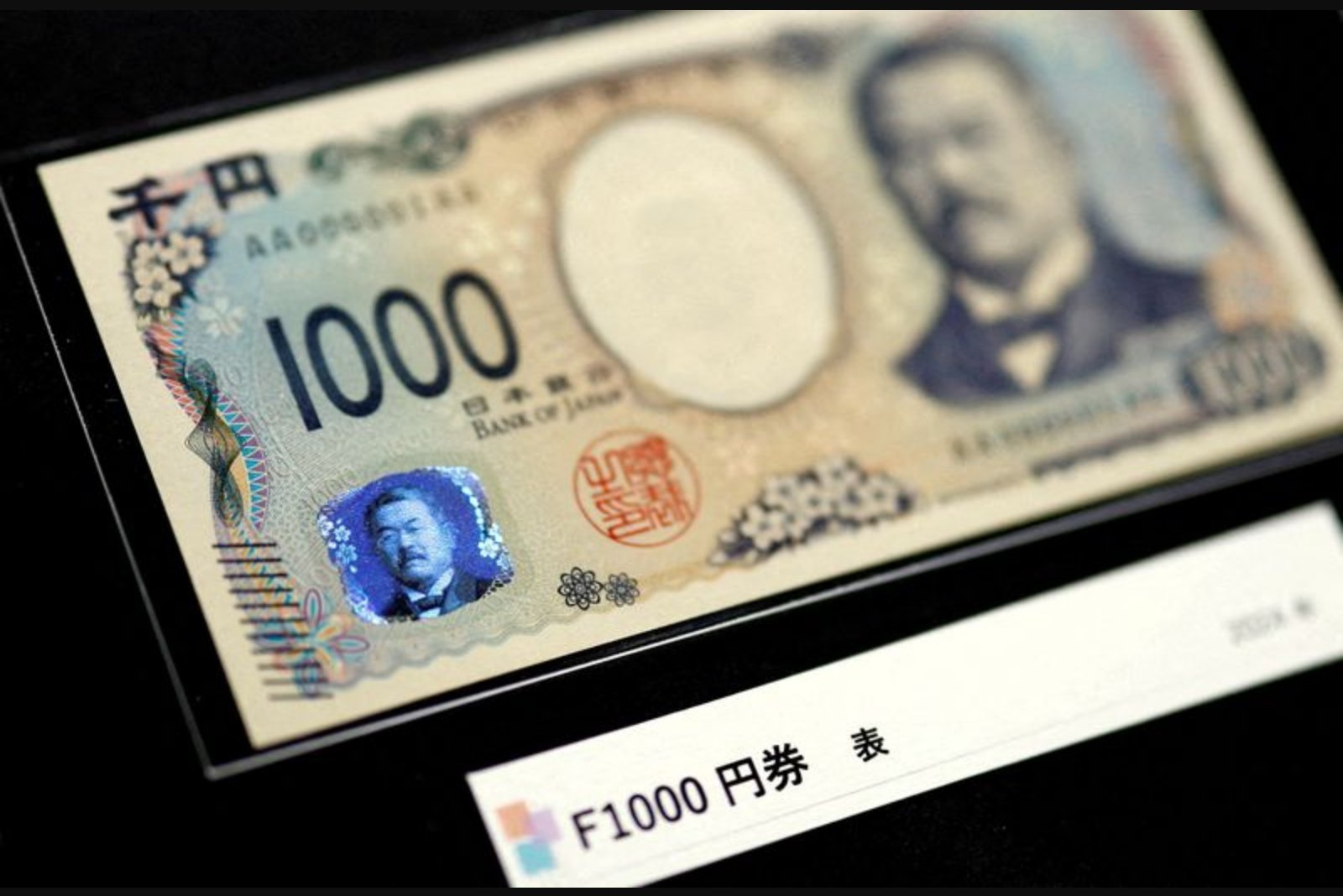
Japan's currency has not benefited from signals that the Bank of Japan may be moving toward higher rates. The yen was trading at 155.78 in Asia, up 0.2% on the session, yet it had fallen 0.4% over the week and about 0.6% for the month to date.
Despite comments from BOJ Governor Kazuo Ueda indicating openness to a near-term hike, domestic political moves complicated the outlook for the yen. This week, Japan's government nominated two academics to the BOJ's board who are viewed by markets as proponents of economic stimulus. Observers interpreted the surprise appointments as a signal of Prime Minister Sanae Takaichi's unease with higher rates, raising questions about how far policy tightening can proceed.
"Ueda flagging a possible March/April hike did little to support the yen because the guidance remains conditional on incoming data, and the political optics around appointments make markets question the pace and conviction of policy normalisation," said Charu Chanana, Saxo's chief investment strategist.
Assessing other major currencies
The British pound was steady at $1.3484 but was positioned to end a three-month winning streak with a 1.5% fall in February. The currency has been pressured by a dovish turn at the Bank of England; market pricing implies an 83% chance of a rate cut in March.
The U.S. dollar was set for a monthly gain of roughly 0.6%. That performance reflects a somewhat more hawkish Federal Reserve tone after several policymakers indicated at the January policy meeting that they were open to rate hikes if inflation remains elevated. At the same time, investors continued to price in two further Fed rate cuts later this year.
Market commentary highlighted the U.S. Supreme Court decision to overturn Trump-era tariffs as a factor that reinforced checks on presidential power and provided some support to the dollar. "It suggests that the long-term prospects for the U.S. dollar might not be as grim as previously imagined," said Gareth Berry, FX and rates strategist at Macquarie Group.
The euro showed only modest moves, changing little at $1.1796 on Friday and heading for a monthly decline of just over 0.4%. Traders' expectations are that the European Central Bank will hold rates steady for an extended period.
China's FX measure and yuan moves
In Beijing, China's central bank announced it would abolish foreign exchange risk reserves for some forward contracts, a step that reduces the cost of buying dollars. That decision follows a strong 2025 for the yuan, which climbed 4.4% against the dollar last year - its largest annual rise since 2020 - and maintained upward momentum into the new year.
The offshore yuan was last quoted at 6.8585 per dollar, down 0.2% ahead of the onshore trading open.
Rates as the central theme
Market strategists highlighted the shift in focus from last year - when attention centered on which central banks would cut rates and by how much - to this year's debate over which banks will lead in hiking rates. "The rates are reflecting the changing macro situation," said Sim Moh Siong, a currency strategist at OCBC. "Last year was about which central banks will cut rates and by how much. This year, the focus has shifted towards which central banks will lead in terms of hiking rates."
Broader market backdrop
Investors navigated a month of varied influences, including geopolitical tensions, the U.S. Supreme Court ruling on tariffs and volatile interest in artificial intelligence-related trades. Even amid those dynamics, currency moves for the month were primarily governed by shifting expectations about the direction and timing of interest-rate policy across major central banks.