
As President Trump enters his second year in office, a group of 20 voters who supported him in the 2024 election say they remain largely supportive of his leadership while outlining a set of priorities and reservations they want him to address.
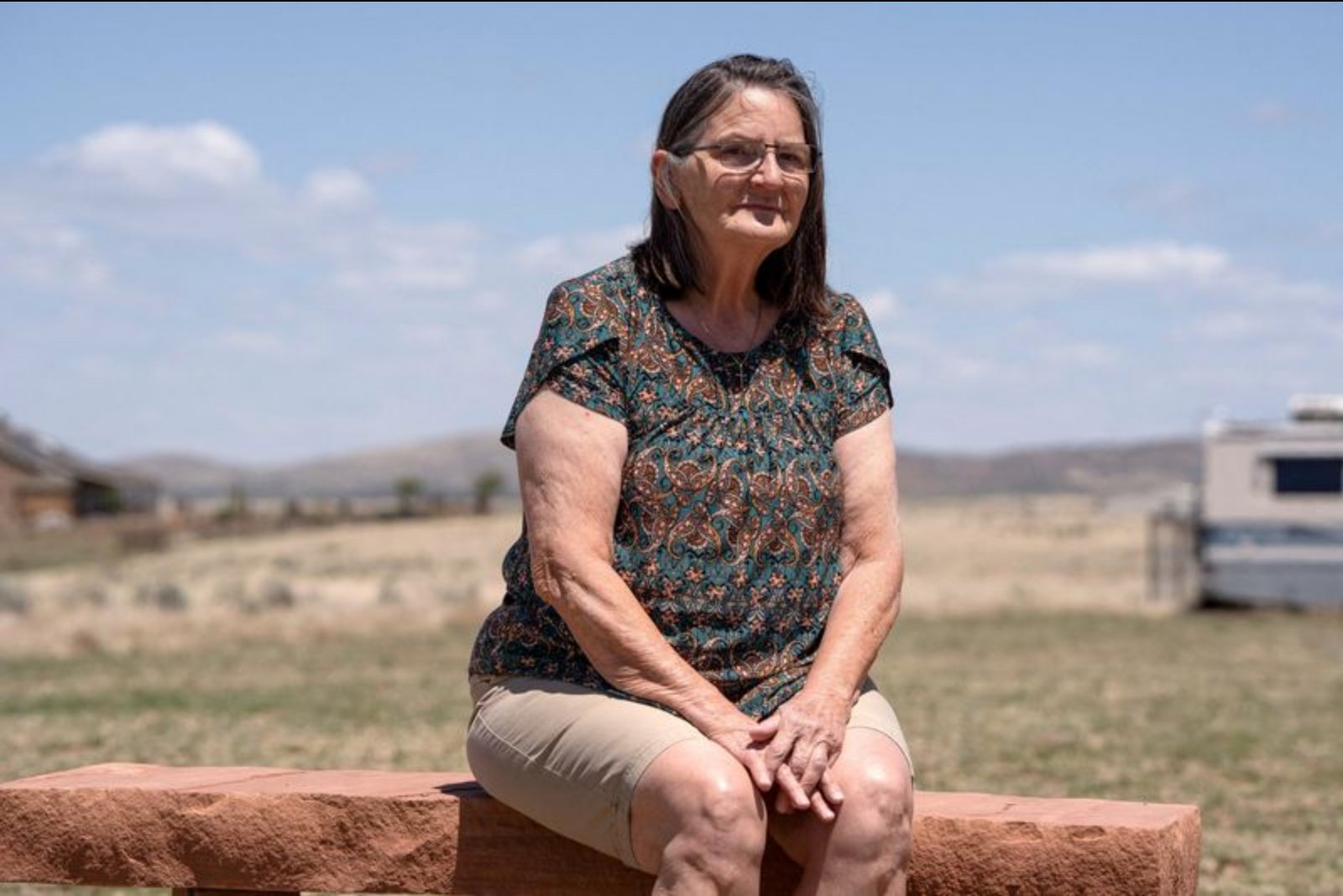
Joyce Kenney, 74, a retiree in Prescott Valley, Arizona, put it plainly: "I would gladly vote for him any time." She said she wants the president to continue targeting government waste and fraud, reduce costs that affect seniors, and deport criminal immigrants. At the same time, Kenney urged a more nuanced approach toward people who entered the United States illegally but have become productive members of their communities. "He needs to find a gentler way on the illegal aliens, not to just say everything's black or white, because there is a lot of gray in everything," she said. "We need to show a lot more humanity to people that are not Americans as well."
Kenney's views were echoed in a series of discussions with 19 other Trump voters, whom the reporter has met with monthly over the past year. Across those conversations most of the participants praised the administration's first-year actions while voicing distinct hopes for the year ahead.
Where supporters give credit
Among the group, satisfaction with economic signals from the first year was common. Some credited deregulatory steps and tax reductions for improvements in their personal budgets. Lesa Sandberg, 58, who runs an accounting practice and rents properties in St. George, Utah, said she felt "satisfied" and "hopeful" after last year's moves, noting that her grocery and gas bills had fallen, even as broader data showed mixed price movements.
Terry Alberta, 65, a pilot in Michigan, said that "in my world, the economy is doing great," and he urged the administration to press harder on cutting government waste. Pennsylvania corrections worker and former National Guardsman Brandon Neumeister, 36, stressed he wanted a more streamlined path for long-standing, law-abiding immigrants to attain citizenship rather than deportation after decades in communities.
Top priorities heading into year two
The most frequently cited objectives were immigration reform and a stronger domestic focus. Voters named healthcare reform, reducing fraud in public programs and lowering the national debt among their highest priorities. Fourteen of the voters had previously said last spring they wanted the president to ease legalization for deserving foreigners, and in January eight of the voters reiterated that immigration reform should be a second-year priority.
Juan Rivera, 26, a content creator near San Diego who does Latino outreach for California's Republican Party, said he was "a little disappointed" that legalization had not advanced. Rivera pointed to relatives seeking residency and to voters in the Latino and Asian-American communities who he believes supported the president in part because of an expectation of immigration reform. "I don't think all Republicans realize that the president would not have won if it wasn't for those voters," he said.
Others framed the immigration question in terms of balance. Sandberg said she approved of efforts to secure borders but wanted an equivalent push to make legal residency more attainable for those who contribute to U.S. communities. Neumeister likewise argued that productive, law-abiding long-term residents were the type of immigrants the country should want to retain.
The size of the current detention population was a point of fact in the discussions: of roughly 60,000 people detained by U.S. Immigration and Customs Enforcement as of late January, about 44% had no pending criminal charge or prior conviction, according to agency statistics the voters cited.
Concerns about rhetoric, foreign policy and fiscal clarity
While most of the participants praised policy moves on the economy and regulatory front, several criticized the president's rhetoric and posture abroad. Fourteen said they were disappointed by recent comments about annexing foreign countries and by what they saw as a tendency to inflame divisions through social media.
Steve Egan, 65, a promotional product distributor in Tampa, gave the presidency a "failing grade" on those grounds. He urged the president to "stay in his lane" and avoid actions that could provoke a constitutional crisis. Egan added that although he could not imagine voting for a typical Democratic candidate, he might consider a Democrat who he felt was making more sensible choices than the president.
Other voters cited specific policy tools that had generated debate. Trump’s tariffs, his confrontational stance toward judges and officials he disagrees with, and recent comments about taking over territories such as Greenland and other countries were mentioned as causes for concern.
Robert Billups, 34, an unemployed accountant in Washington state who voted for Trump expecting cheaper healthcare and more transparent government spending, said he saw little improvement on those issues but still considered the president "probably the best option" in the 2024 election. Billups urged a tighter focus on America and domestic concerns.
Some also questioned how proposed spending increases would be funded. Sandberg asked how the administration intended to pay for plans to increase the military budget by two thirds over what Congress approved and wondered where savings had gone after the Department of Government Efficiency - DOGE - reduced the federal workforce. "Trump's top priority in 2026 should be 'to balance a freaking budget and stop the progression of the debt,'" she said.
Alberta expressed a parallel frustration about the budget and public messaging. He said he had high expectations for DOGE but saw little evidence the deficit was falling. He also urged the president to moderate his tone: "Stop making the people that disagree with you get all lathered up. Just chill," Alberta said.
Political calculus and the midterm outlook
The group recognized that performance in the president's second year could shape November midterm contests, where Republicans aim to retain control of Congress. Six of the 20 voters had almost no criticism of the administration to date, three were highly dissatisfied, and the remaining 11 expressed mixed views; none said they regretted their 2024 vote. Many said they hoped to see further change that would bolster the party's standing heading into the midterms.
In Georgia, David Ferguson, 54, an engineer and account manager, urged continued efforts to bring manufacturing back to the United States through tariffs and other policies. Ferguson acknowledged the president's tendency toward what he called arrogance, but he said that trait could be effective for achieving policy aims.
Administration response
Asked for comment, White House spokesman Kush Desai said in a statement: "The Trump administration remains laser-focused on continuing to cool inflation, accelerate economic growth, secure our border, and mass deport criminal illegal aliens."
Final takeaways from voters
Across age groups and states, the supporters interviewed expressed a mix of approval and caution. They generally praised the administration's economic direction while urging clearer plans on legalization for long-standing immigrants, better fiscal transparency around major spending proposals, and a reduction in divisive rhetoric. Immigration reform and domestic priorities such as healthcare and fiscal restraint emerged repeatedly as the issues they want the president to prioritize in year two.