
BUENOS AIRES - Argentina's consumer price momentum held steady in February, with monthly inflation coming in at 2.9%, matching the pace recorded in the first month of 2026 but narrowly exceeding economists' 2.7% projection.
On an annual basis, prices rose 33.1% in the 12 months through February, up from January's 32.4% and above analysts' consensus of 32.7%. The data underline continuing price pressures across households even as some monthly measures stabilized.
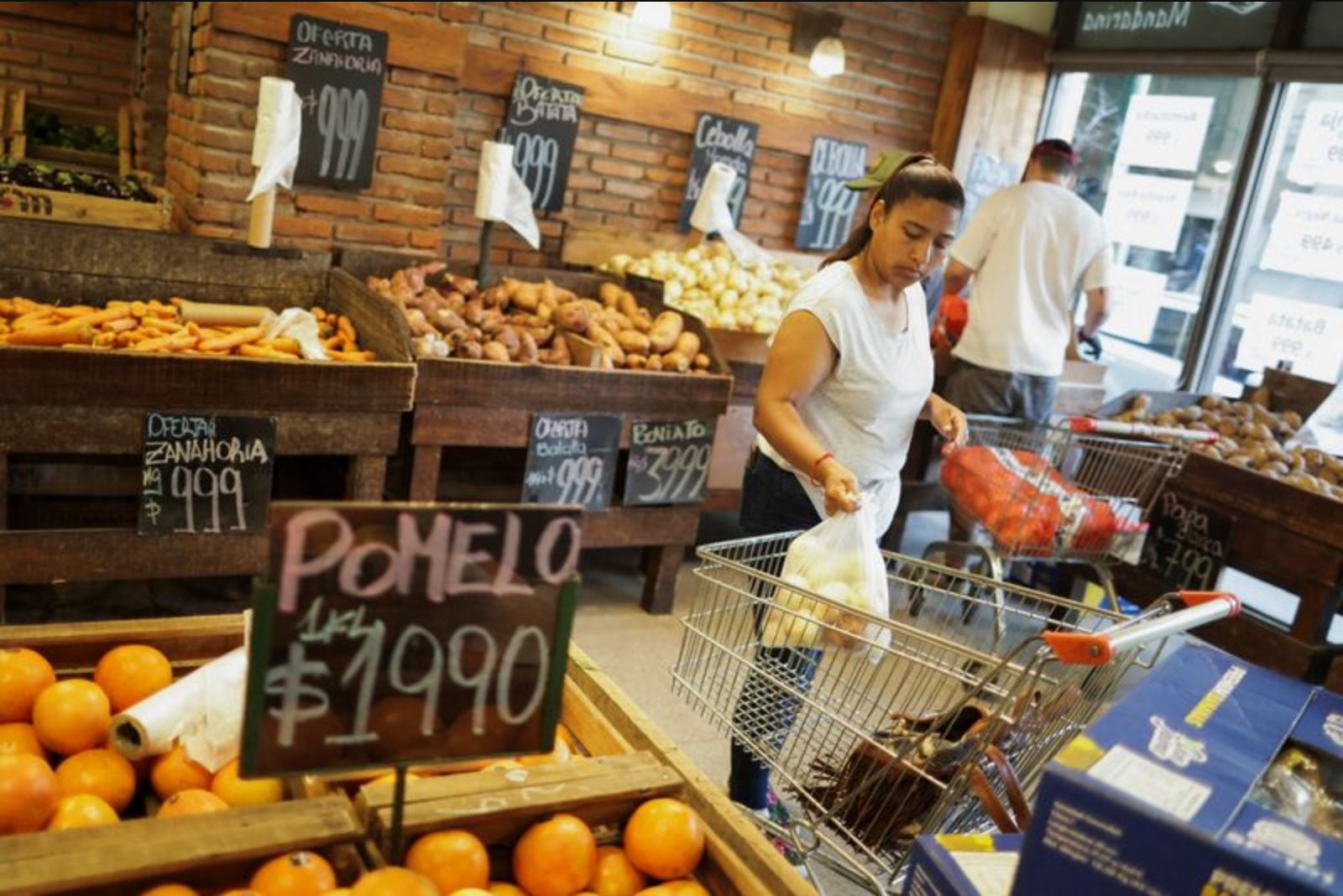
Cost categories showed a mixed pattern in the month. Living costs - a category that includes rent and utilities - recorded the largest monthly increase, rising 6.8%. Food and non-alcoholic beverages followed with a 3.3% jump. Clothing prices were unchanged in the month, while alcohol and tobacco registered a small uptick.
President Javier Milei reiterated this week on television his pledge to drive inflation down to zero and set a target date of August for achieving that goal. The president took office at the end of 2023, when inflation exceeded 200%, and the rate climbed to near 300% in subsequent months.
The February inflation report arrives as Argentine officials are in Washington for talks with U.S. counterparts aimed at deepening economic ties. Separately, a recent monthly central bank survey showed that analysts still expect a slowdown in inflation over time, although their year-end consensus forecast for 2026 rose compared with the January poll.
The February figures show persistent upward pressure on household expenditures, led by housing-related costs and food. Other segments of consumer spending registered modest or no change. The data leave open questions about the path of inflation through the rest of the year and how policy commitments and international engagement will interact with price dynamics.
Sectors most visibly affected:
- Housing and utilities - largest monthly increase (6.8%)
- Food and non-alcoholic beverages - notable monthly rise (3.3%)
- Consumer discretionary categories such as clothing - stable in the month