
Key developments
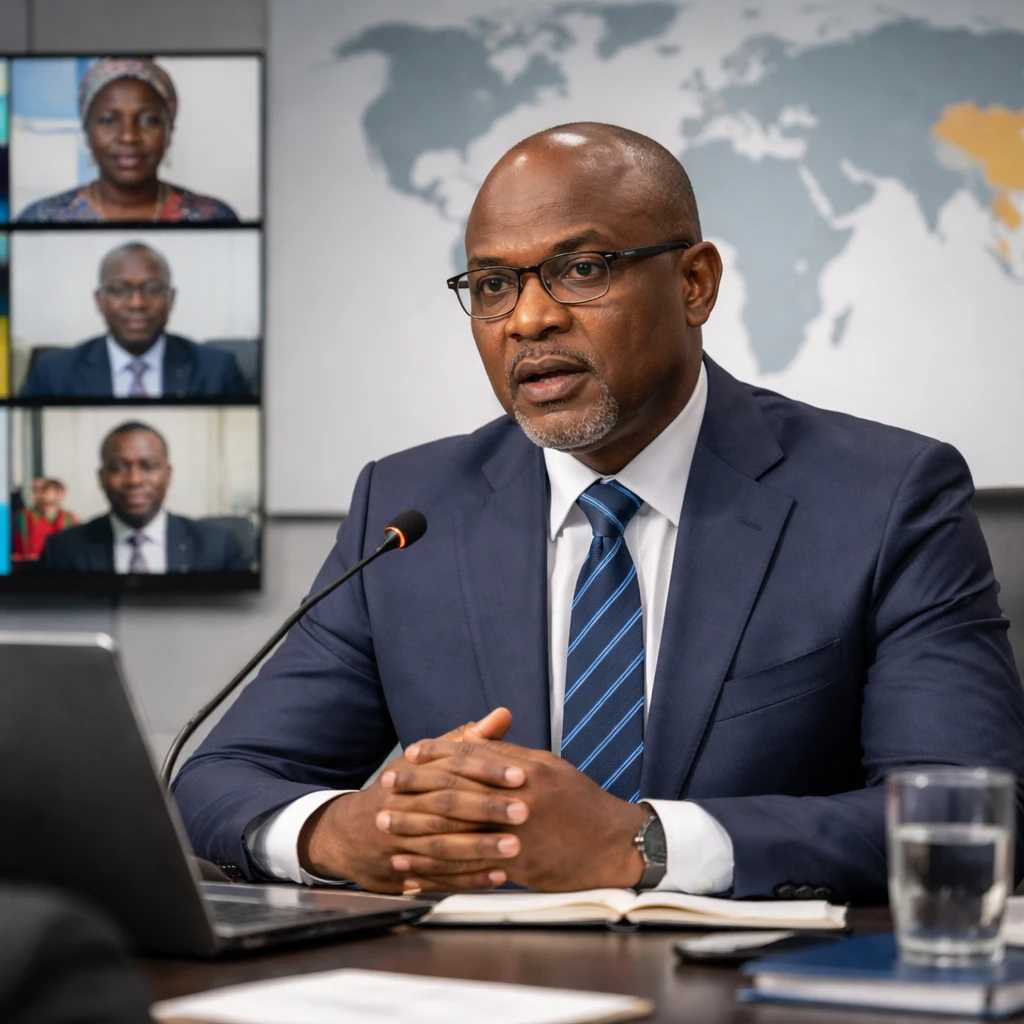
Jean Kaseya, Director-General of the Africa Centres for Disease Control and Prevention, told a virtual press briefing on Thursday that there are "huge concerns regarding data, regarding pathogen sharing" in the bilateral agreements the United States is negotiating with African governments. His remarks underscore growing unease among some African nations and health advocates about conditions tied to U.S. global health funding.
On Wednesday, Zimbabwe abandoned talks over what was described as a $367 million pact covering the next five years, saying the proposal raised concerns about sensitive data and represented an unequal arrangement. Zambia has said it pushed back on at least one clause in its own agreement, according to statements reported in recent days.
Nature of the contested provisions
Critics of the agreements have focused in particular on a pathogen-sharing requirement. Under the terms outlined in the agreements, countries would be required to share promptly with Washington data about pathogens that could lead to epidemics in their territories as a condition of receiving U.S. funding. Observers and global health advocates have objected to that element, and have also noted that the accords do not include guarantees that any drugs or vaccines developed following such data sharing would be supplied to the countries where the pathogens were detected.
Context: how these deals fit into U.S. policy
The bilateral pacts are part of a broader shift in how the U.S. government is delivering billions of dollars in global health assistance, actions attributed to the administration of President Donald Trump. The administration has restructured its approach after dismantling its aid agency last year, cutting funding and contracts worldwide, and stating a preference to put "America First" in its global health strategy. Proponents of the new approach have said it channels funds more directly to recipient countries while requiring co-investment from them.
Africa CDC's stance and support
Kaseya said he initially welcomed the revised U.S. approach because it promised more direct funding flows to African countries coupled with co-investment expectations. He also said he turned down a role as an observer to the U.S. negotiations out of respect for the sovereignty of individual nations.
Nevertheless, Kaseya said Africa CDC has provided assistance to countries that have requested help, and will continue to do so. "I said to all of my countries, you have full support from Africa CDC. Even if you want to re-negotiate ... if you want Africa CDC to be there, we’ll be there," he said, offering support both for renegotiation efforts and for implementation assistance where agreements are signed.
Outlook
The developments highlight tensions between donor conditions and recipient concerns over data governance, equity and access to medical countermeasures. Several African governments appear to be re-examining terms and asserting their positions before finalising agreements with the United States.