
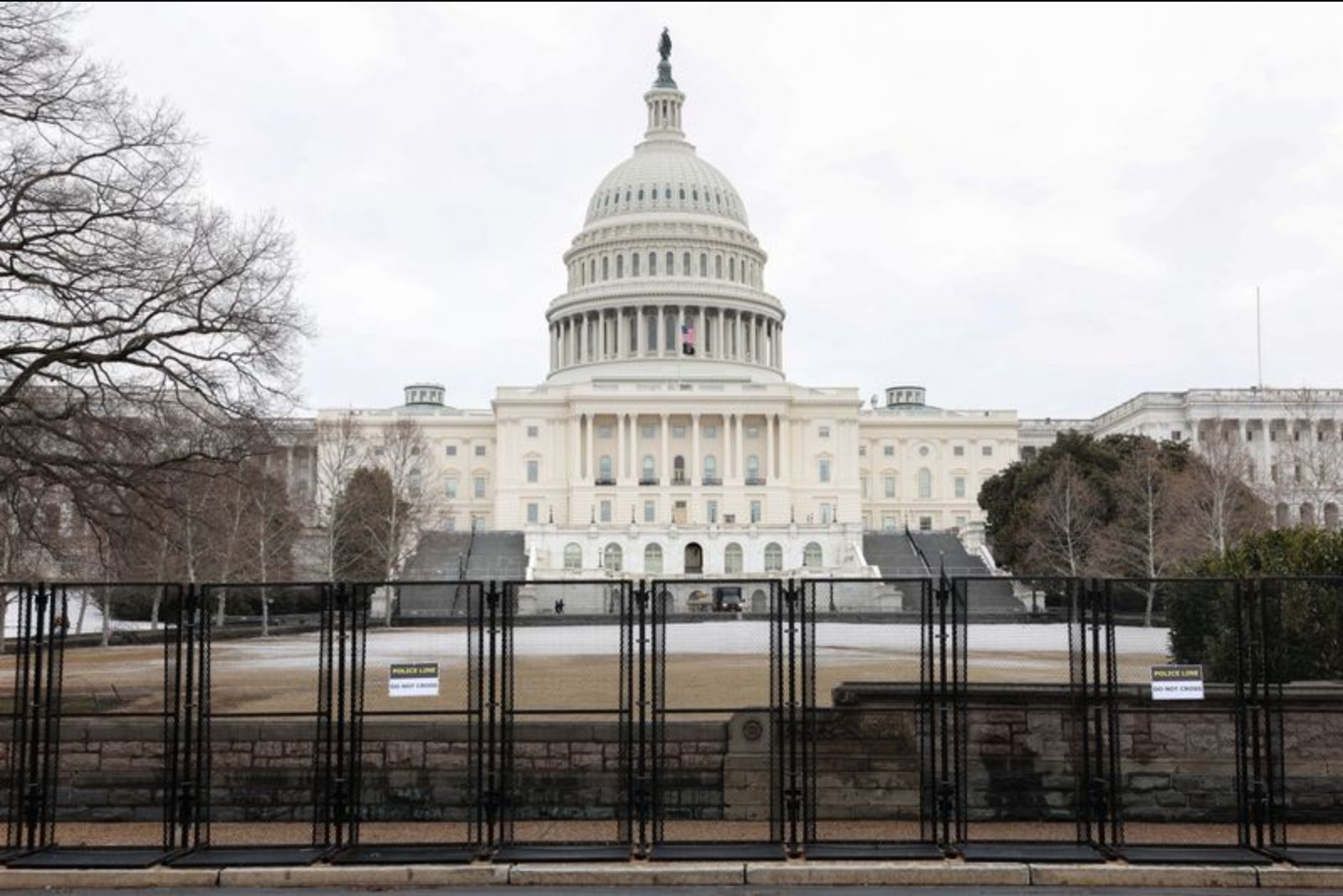
The president will step before Congress to present a case for his second term record after a year in which his administration has repeatedly departed from longstanding practices of governance. Over the past 13 months, the administration's approach has centered on expansive use of executive authority, a new trade posture characterized by tariffs, assertive military moves and a series of domestic regulatory rollbacks. The address is expected to emphasize achievements while aiming to counter rising public dissatisfaction on issues including inflation and economic affordability.
Economic track record and trade
Economically, the president will argue that his policies have produced continued growth, but opinion polling shows a majority of Americans disapprove of his economic stewardship. A recent Supreme Court ruling that struck down his claimed emergency authority to impose tariffs on allies and others underscores a legal obstacle to one of his signature tools. Tariffs have been a central instrument of his second term: deployed both as a lever to punish countries that oppose his policies and as a means to address perceived trade imbalances, notably with China.
While the administration seeks legal avenues to preserve prior tariff measures, it has in the interim applied a 15% temporary tariff on imports from all countries. The president is likely to highlight legislative wins such as the One Big Beautiful Bill Act, which reduced some individual income taxes. It remains uncertain how prominently he will credit the Department of Government Efficiency - now led by a former ally - for reductions in the federal workforce.
Republican strategists will be watching for any tonal moderation in his economic rhetoric. His recent speeches on the subject have been combative, offering limited direct reassurance to households feeling the strain of higher living costs. Inflation - a political flashpoint that helped propel him previously - continues to trouble voters. Despite repeated public declarations of victory over inflation by the president, government data indicate that price pressures are still elevated. Alongside continued economic growth, the labor market has shown signs of cooling and unemployment has inched higher. Taken together with an unprecedented effort to pressure the Federal Reserve to lower interest rates, these dynamics form a complex backdrop for the economic portion of the address.
War, peace and military posture
On foreign policy, the United States appears close to open confrontation with Iran over its nuclear program. The administration has reinforced U.S. military forces in the Middle East and warned that "really bad things will happen" absent a negotiated resolution. The president has favored shorter military engagements historically, yet recent months have seen unconventional uses of force: the bombing of Iran's nuclear facilities last June, attacks on suspected Caribbean drug vessels in international waters and other high-profile actions, including the arrest of a foreign leader and a threatened territorial purchase. Those moves have prompted questions about the future of long-standing alliances.
At home and abroad the president has cast himself as a peacemaker in certain conflicts, citing involvement in securing a fragile ceasefire in Gaza and the creation of a Board of Peace focused on reconstruction in the affected territory. He has also repeatedly claimed to have ended eight wars in pursuit of a Nobel Peace Prize - a claim that critics and observers view as exaggerated and not fully aligned with conditions on the ground in some conflicts.
Attempts to broker a settlement between Kyiv and Moscow have been inconsistent. After a period of alternating pressure on Kyiv and issuing - but rarely enforcing - threats against Moscow, a comprehensive peace deal to end Russia's war in Ukraine has not materialized.
Immigration
Immigration remains a defining issue for the administration and a core element of the president's political brand. Public support for hardline enforcement has softened, in part due to confrontations between masked federal agents and protesters which have sometimes turned violent and resulted in the deaths of two U.S. citizens in Minneapolis. Upon returning to office in January 2025, the president pursued a sweeping deportation campaign, ordering large-scale raids. Some individuals removed under these actions were sent to third countries alleged to have poor human rights records.
Despite the controversies, administration policies have largely succeeded in reducing the number of migrants crossing the U.S. southern border with Mexico.
Consolidation of executive power
The administration's objectives have frequently been advanced through unilateral action. Agencies have been reoriented to follow the president's priorities, the U.S. has withdrawn from certain international forums and prior governing norms have been deemphasized. The administration has targeted civil society organizations, activists, local officials, judges and members of the press identified as obstacles to its agenda.
Most policy achievements of this period have stemmed from executive orders and similar mechanisms that bypass the legislative process. The president has issued hundreds of pardons, including blanket clemency for individuals charged in connection with the January 6, 2021, attack on the Capitol. In recent months the administration used executive instruments to set tariffs, promote the use of glyphosate-based herbicides, encourage coal production, dissuade private equity acquisitions of single-family homes and direct revenue from Venezuelan oil. To date, he has signed 240 executive orders, a total described as the highest for a 13-month span since the Franklin D. Roosevelt presidency during World War Two.
Climate and energy policy
On environmental policy, the administration has moved to roll back regulations introduced under the previous government, including measures affecting clean energy and electric vehicle tax incentives. Legal changes and administrative actions have been designed to erode the statutory basis for those policies, with the explicit aim of making it more difficult for subsequent administrations to reinstate similar rules without congressional approval.
Last year the United States formally exited the Paris Agreement and withdrew from the underlying U.N. Framework Convention on Climate Change, a step that left it aligned with a small group of other countries that are not parties to those accords. The administration has intervened to obstruct wind and solar projects, sometimes issuing stop-work orders or slowing permitting timelines even for near-complete developments. In parallel, it has relaxed certain clean air and water regulations or provided exemptions for coal-fired plants and oil and gas infrastructure from compliance with existing rules.
Healthcare and prescription pricing
In the pharmaceutical arena, sixteen of the largest global drugmakers have entered "most-favored nation" agreements with the administration. Under these deals, companies will lower prices for the government's Medicaid program and, through a government-run website, reduce cash prices for some consumers - in exchange for exemptions from U.S. tariffs.
Despite these agreements, millions of Americans face higher healthcare costs in 2026. That increase follows Congress's failure to reach a deal to reinstate expansive COVID-era tax credits; the president did not support congressional efforts to prevent those credits from expiring. As a result, households may encounter larger out-of-pocket costs in the coming year.
What to expect from the address
The speech will be an opportunity for the president to outline accomplishments across these varied policy areas while attempting to reassure a public worried about persistent inflation, rising unemployment and international instability. Republican strategists will be attentive to any shift in tone on the economy that might address voter concerns about affordability. Meanwhile, the legal and political constraints on tariffs, the continued friction in foreign policy, and the controversial methods used in immigration enforcement and executive governance are likely to dominate questions about the administration's future direction.
Key takeaways
- The president will defend a record marked by aggressive executive action, trade protectionism and regulatory rollbacks amid mixed public approval.
- Economic messaging will focus on legislative tax cuts and broad tariffs, even as inflation remains elevated and the labor market cools.
- Foreign policy has combined forceful military actions with claims of peacemaking, yet promises of resolving major conflicts have not been realized.
This address arrives as both a political sales pitch and a policy marker, with consequences for markets and sectors sensitive to trade policy, energy and climate regulation, healthcare costs and defense spending.