
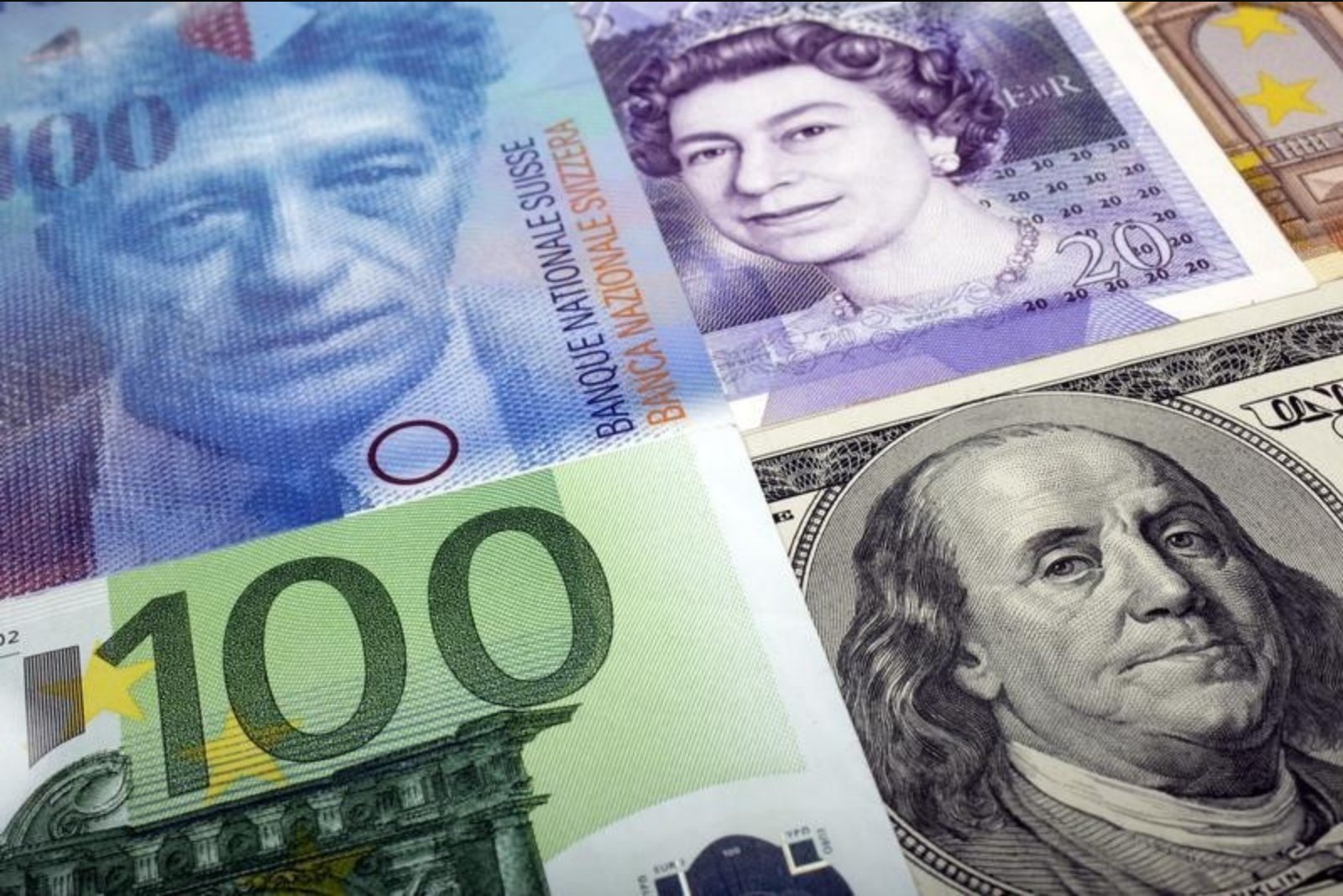
Global foreign-exchange markets moved sharply in favor of the U.S. dollar on Monday, with the greenback reaching its strongest level in five weeks after weekend military action involving the United States and Israel and subsequent strikes in the region.
At 04:45 ET (09:45 GMT) the Dollar Index, which measures the currency against a basket of six peers, was trading 0.6% higher at 98.187, its highest reading since late January. The rise reflected an increased investor appetite for perceived safe-haven assets amid growing concerns about the prospect of a prolonged conflict.
Conflict developments and market reaction
U.S. and Israeli strikes on Iran over the weekend resulted in the death of Supreme Leader Ali Khamenei, and military activity continued into Monday after Iran launched retaliatory actions. Reports of blasts came from multiple countries in the region, including Israel, the United Arab Emirates, Qatar, Bahrain and Kuwait. In response to the strikes, U.S. President Donald Trump said more attacks would continue "for as long as necessary," a comment that reinforced market fears of an extended period of regional instability.
Market strategists pointed to several mechanisms through which the events have lifted the dollar. Analysts at ING identified three channels that they say are driving dollar strength: the relative energy independence of the United States compared with Europe and Asia; implications for Federal Reserve policy as reflected in futures pricing; and the potential for higher energy costs and uncertainty to halt or reverse portfolio flows into emerging markets.
ING noted that Fed Funds futures sold off by 3-4 ticks in Asian trading on the view that the Federal Reserve might not be able to implement two rate cuts this year, a reassessment that contributes to dollar support. The firm also highlighted that rising energy prices could deter flows to emerging markets, reinforcing the dollar's appeal.
Major currency movements
European currencies were notably affected. EUR/USD fell 0.6% to 1.1741 as the single currency came under pressure amid expectations of higher regional energy costs. ING warned that, unless tensions ease quickly, EUR/USD could be pushed back toward the 1.1575/1.1650 band, with a more distant downside risk toward the 1.1575/1.1600 area. The firm argued that given the energy-focused nature of the shock, the dollar stands to gain the most.
GBP/USD dropped 0.8% to 1.3375 as sterling came under broad selling pressure. In cross-market moves, EUR/CHF declined 0.3% to 0.9055 as demand for the Swiss franc surged, taking it to its strongest level against the euro in more than a decade.
ING commented that the Swiss National Bank is likely to face renewed pressure, with market pricing shifting attention back to the possibility of negative interest rates in Switzerland. The CHF overnight indexed swap (OIS) market shows the one-month OIS priced at -12 basis points in one year’s time, and ING suggested that continued buying pressure on the franc could push that to around -25 basis points.
Asia and commodity-linked currencies
In Asia, currency pairs that are sensitive to energy-price moves also reacted. USD/JPY climbed 0.7% to 157.07 as traders factored in the effect of higher crude prices on Japan's large oil-import bill and the increased uncertainty that could prompt the Bank of Japan to adopt a more cautious stance, reducing the likelihood of a near-term policy tightening.
USD/CNY traded 0.4% higher at 6.8842, rising back above the 34-month lows recorded the previous week. The Australian dollar, a risk-sensitive currency, weakened on the outlook for higher crude prices, with AUD/USD down 0.7% to 0.7069.
Market implications
The confluence of military developments, energy-price risk and reassessed central bank expectations produced a clear shift in market positioning. Investors moved toward currencies and assets perceived as safer, while those tied more directly to growth and energy import exposure came under strain. The repricing in Fed funds futures and heightened buying of the franc and dollar illustrate how geopolitical shocks can rapidly alter expectations across interest-rate and currency markets.
While analysts and market participants are watching closely for any signs of de-escalation, the prevailing trades reflect heightened caution and a reassessment of policy and portfolio risk in the near term.