
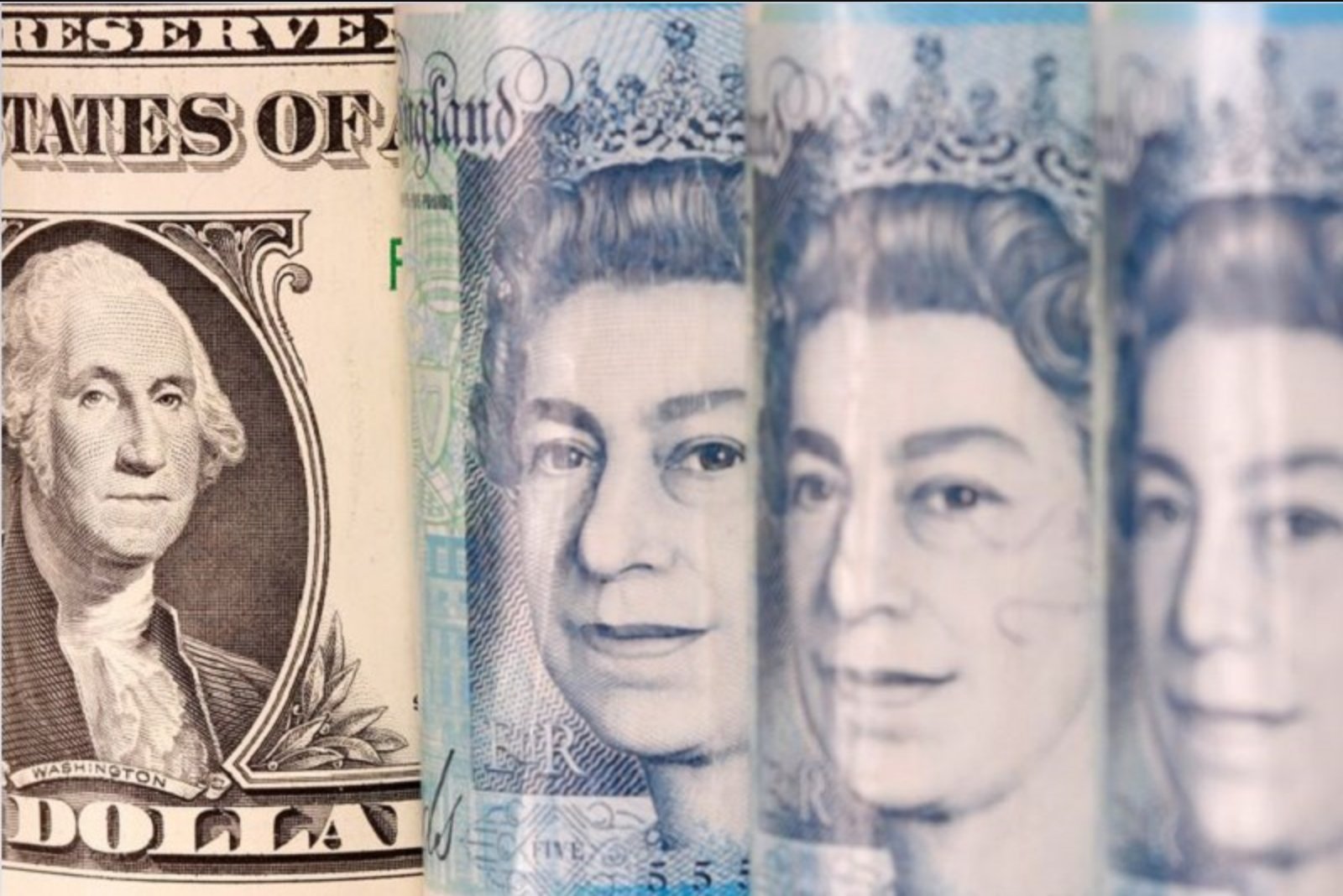
Sterling steadied on Tuesday, eking out small gains as the dollar showed limited weakness amid a mix of fractured US-Iran talks and a slide in oil prices. By 07:41 ET (11:41 GMT), GBP/USD was trading at 1.3469, up 0.11%, while EUR/USD rose 0.15% to 1.1649.
Market participants described the dollar's movement as muted rather than outright vulnerable. The CVIX index dropped below 6.0 for the first time since March 2024, a sign of reduced FX volatility. ING analyst Francesco Pesole observed that FX markets appeared "just as reluctant to price in a re-escalation in the Middle East this morning as it was to price in an imminent peace deal in recent days."
Brent crude's swift fall back under $95 during the Asian session was cited as a factor supporting improved risk sentiment, even though reports confirmed US-Iran negotiations had collapsed again. Meanwhile, the DXY index remained largely rangebound in what market commentators called a comfort zone between 99 and 99.50, a stance underpinned by relatively strong macro fundamentals including Monday's robust US manufacturing ISM reading.
Looking toward the US economic calendar, the April JOLTS jobs report was the day's main data focus. Markets will scrutinize layoffs after a pickup in March, but consensus forecasts point to stabilisation and no change in job openings. Pesole suggested that a neutral JOLTS outcome would likely leave Middle East developments as the main driver for the dollar's direction.
For EUR/USD, the immediate domestic influence is the eurozone flash May CPI print, with headline inflation expected to rise from 3.0% to 3.2% and core inflation forecast to tick up from 2.2% to 2.4%. Those readings would be unwelcome for the European Central Bank but not alarmingly so.
Pesole noted that EUR/USD experienced familiar Gulf-driven swings on Monday but that volatility was becoming more muted. He added that a confirmed peace agreement could potentially open a path back toward 1.180, though the pair was unlikely to price in hopeful headlines on sentiment alone.
Perhaps the most structurally important variable for global FX markets remains USD/JPY, which quietly retested the 160.0 mark as the yen entered a period that is historically seasonally weak. Short-term implied volatility across G10 currencies has trended lower, and this drop has not fully reflected the risk of Japanese intervention despite Tokyo maintaining a hawkish intervention narrative.
ING's Pesole flagged market assumptions that the Bank of Japan might allow a 16 June rate move, with roughly 19 basis points priced in, to shoulder some of the adjustment. He also pointed out market constraints from the International Monetary Fund guideline limiting authorities to no more than three intervention episodes in any rolling six-month window.
Despite those dynamics, Pesole warned that intervention risk appeared underpriced. He said the new intervention trigger could be set well above April's 160.60, possibly in the 162-163 area.
What investors are watching next
- April JOLTS jobs data for the US and its potential implications for dollar direction.
- Eurozone flash May CPI prints for headline and core inflation readings.
- USD/JPY movements around the 160.0 level and any signs of intervention from Japanese authorities.