
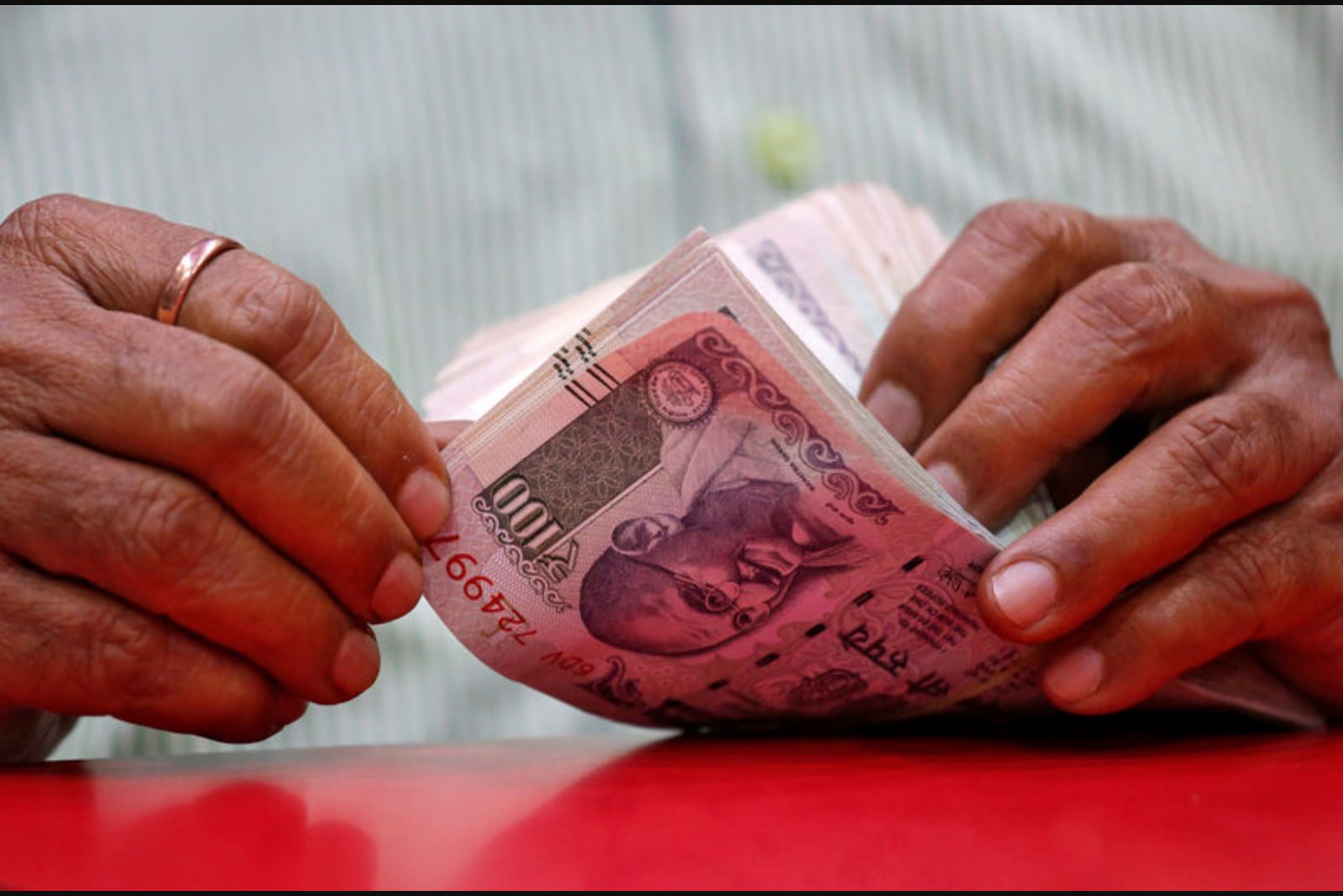
The Indian rupee slid to a fresh record low on Thursday as a combination of surging oil prices and a stronger U.S. dollar put sustained downward pressure on the currency.
The USD/INR pair rose 0.2% to 93.318, marking its highest level on record. The move followed a larger one-day jump of 0.8% on Wednesday, highlighting renewed weakness in the rupee over recent sessions.
Crude prices have been a key driver of the rupee's decline. Brent crude climbed above $110 per barrel on Wednesday and extended those gains in Asian trade on Thursday, reflecting an acute market reaction to an escalation of tensions in the Middle East. The price spike occurred after Iran carried out attacks on multiple energy facilities across the region, which came in the wake of a strike on Iran's South Pars gas field and raised concerns about more prolonged disruptions to energy supplies.
A firmer U.S. dollar compounded the rupee's losses. The dollar strengthened after the Federal Reserve opted to hold interest rates steady but adopted a hawkish tone, citing inflationary risks related to the ongoing Middle East war. That stance increased demand for dollars across global markets and added to pressure on currencies such as the rupee.
Higher oil prices are especially consequential for India because the country imports the majority of its energy requirements. Rising crude elevates the import bill, prompting greater demand for dollars from oil refiners and other importers and exerting downward pressure on the rupee. Those dynamics can also contribute to a widening of India's current account deficit if elevated energy costs persist.
In short, the rupee's record low reflects the dual effect of a global oil shock tied to regional conflict and a stronger dollar prompted by central bank messaging, both of which have immediate implications for importers and the broader external balance.
Key points
- USD/INR rose 0.2% to 93.318, reaching a record high after a 0.8% jump the previous day.
- Brent crude topped $110 per barrel and continued to climb in Asian trading, driven by Middle East tensions and attacks on energy facilities.
- The Federal Reserve held rates steady but signaled a hawkish outlook, supporting a stronger U.S. dollar and increasing dollar demand.
Risks and uncertainties
- Prolonged higher oil prices could further raise India's import bill and widen the current account deficit, affecting the broader economy and refiners.
- Continued strength in the U.S. dollar, tied to central bank posture, may keep pressure on the rupee and influence market volatility in currency and import-dependent sectors.
- Escalation of Middle East conflict and repeated attacks on energy infrastructure could sustain crude price volatility, with knock-on effects for energy importers and external balances.