
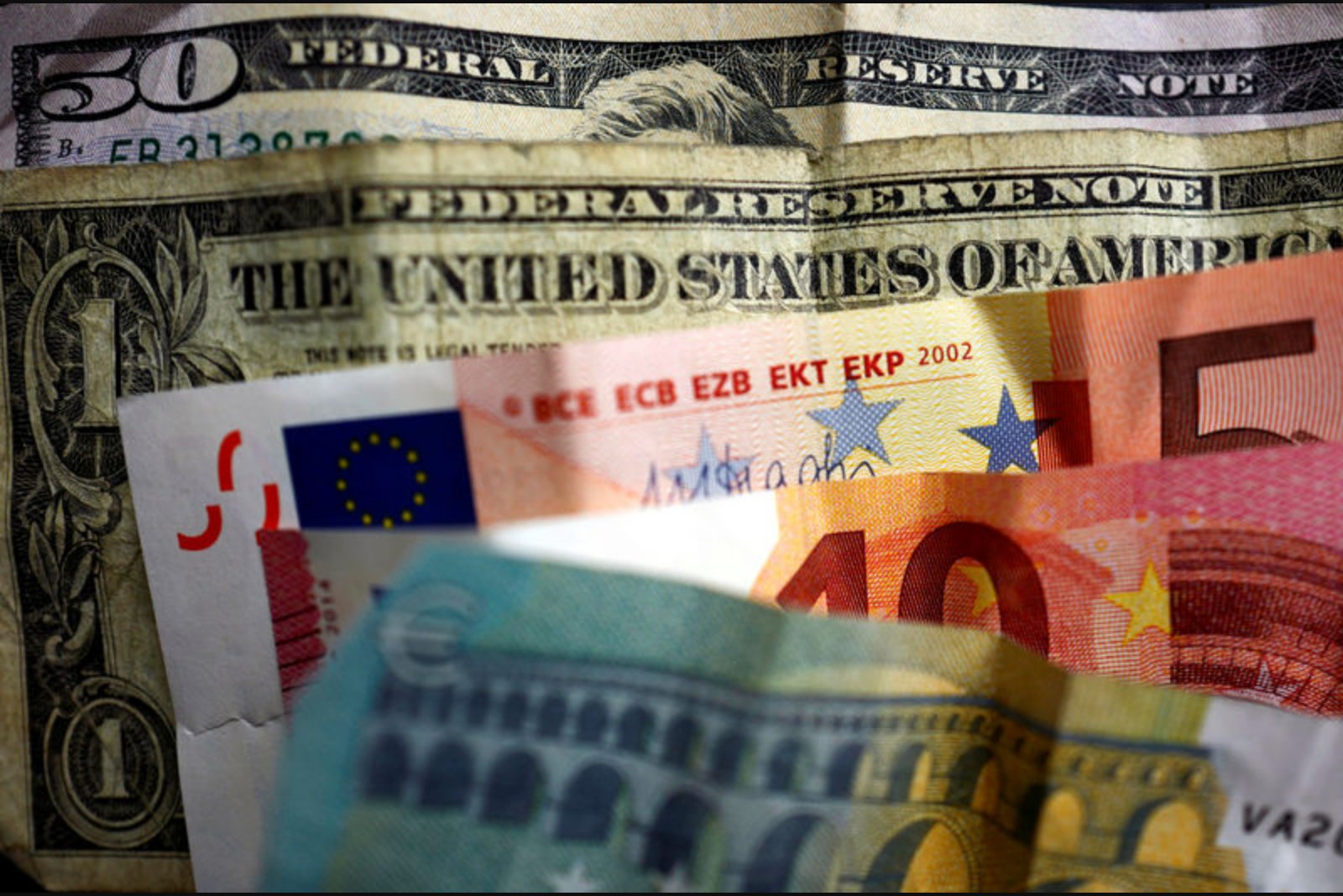
At 08:25 ET (13:25 GMT) on the latest trading day, EUR/USD was quoted at 1.1804, up 0.1% on the session. The pair has risen 0.5% year to date and is almost 14% stronger over the trailing 12 months.
In a February 26 research note, UBS analysts said EUR/USD has largely traded sideways since reaching their 1.20 forecast, and attention among investors has shifted toward so-called second-tier currencies such as the Australian dollar, Norwegian krone, Brazilian real, Mexican peso and South African rand since the start of the year.
The Swiss bank said it has adjusted its positions following the euro's strong run through 2026, moving both the US dollar and the euro to a Neutral assessment. At the same time, UBS retains an Attractive view on several other currencies, listing the Australian dollar, Norwegian krone, New Zealand dollar and Chinese yuan as preferred exposures. The bank said it favors selective long positions in higher-yielding currencies relative to low-yielding ones across both the G10 and emerging market universes.
UBS noted that EUR/USD has closed much of the valuation gap created by last year’s rise from about 1.02 up to 1.20, and therefore expects the pair to trade sideways with risks balanced around the 1.20 level. The bank explicitly described the outlook as two-sided.
On one flank, UBS warned that although the dollar has shown recent softness, markets may be underestimating an improvement in US cyclical dynamics. Stronger growth and reduced pressure for Federal Reserve rate cuts, the bank said, would likely support a firmer dollar and could add stability to the currency.
On the other flank, UBS highlighted structural factors that continue to weigh on the dollar's longer-term outlook, including the US twin deficit, substantial global allocations to dollar assets and the shift to a new Federal Reserve leadership. Those elements, the bank said, act as persistent headwinds for the dollar.
The note also discussed the implications for carry trades. UBS said an unexpected global slowdown could undermine its carry trade preferences, while a robust US recovery that delays rate reductions could strengthen the dollar and introduce new risks to carry strategies.
Geopolitical uncertainty remains elevated in UBS’s view, with specific mention of tensions around Ukraine and Iran, frictions tied to US-Greenland relations, and questions surrounding the Federal Reserve’s independence. The bank said FX volatility has risen from last year’s lows and warned that unforeseen events could provoke sudden spikes in market volatility. Conversely, the fading of some risks could also unleash sizable moves in currency markets - for example, rapid shifts in European currencies in the event of a Ukraine peace deal.
Key takeaway - UBS views EUR/USD as likely to remain in a trading range near 1.20, with balanced upside and downside risks driven by a mix of cyclical US dynamics, structural dollar pressures and geopolitical developments.