
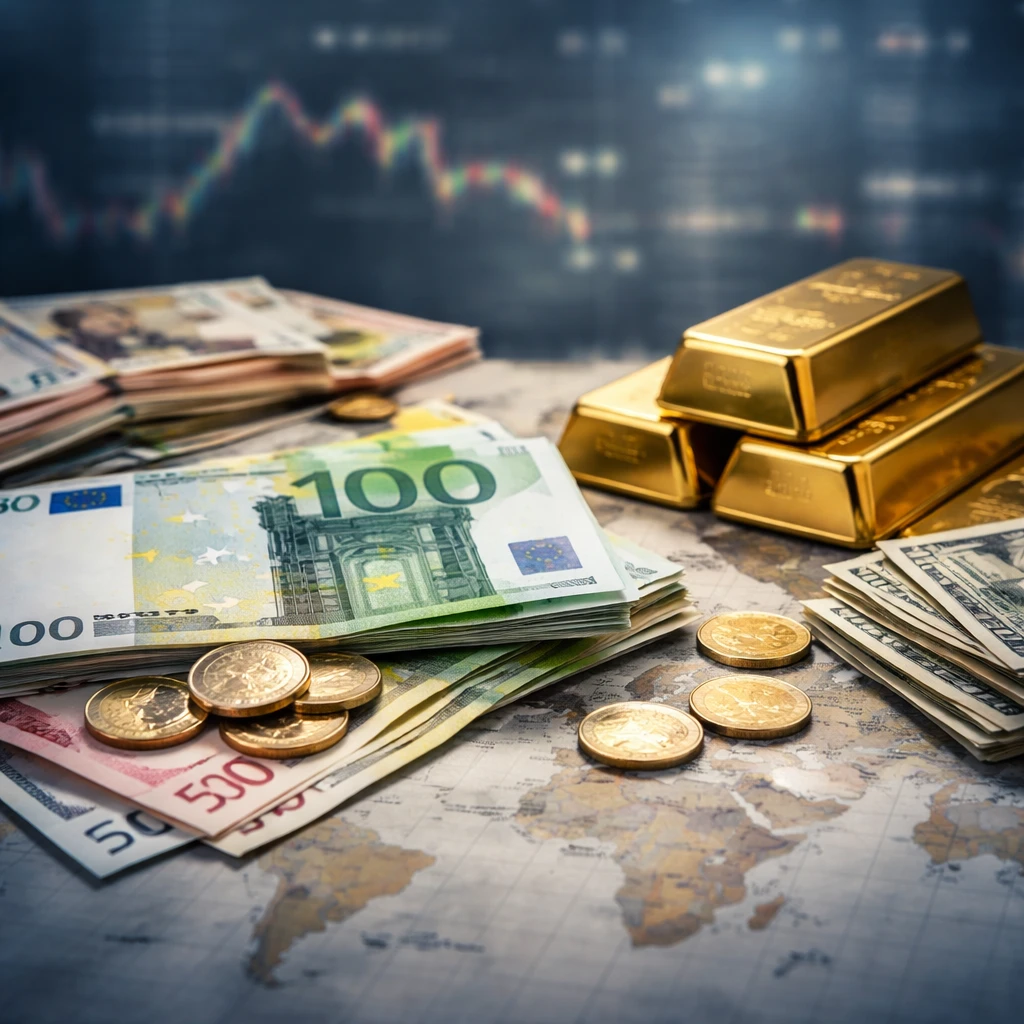
The euro's footprint in global markets remained effectively flat last year, holding at approximately 20% after failing to expand even as some observers anticipated that unpredictable U.S. economic policy would make the currency more attractive as an alternative to the dollar, according to a European Central Bank report published Tuesday.
Rather than rotating into the euro, investors increased allocations to gold and a range of smaller, non-traditional currencies, the report says. The ECB also notes that the euro's present market share continues to be lower than levels seen about two decades ago.
ECB leadership on policy and reform
ECB President Christine Lagarde signalled that the bloc has scope to raise the euro's international standing, but she warned that such a shift depends on action at the policymaking level. "There is an opening for the euro to enhance its global appeal - provided that European policymakers create the necessary conditions and put words into action," Lagarde said in the report.
Lagarde outlined the areas where progress is needed: strengthening economic resilience, bolstering legal and institutional integrity, and improving geopolitical credibility. The statement ties the currency's prospects directly to changes in those policy and governance areas.
Debt markets and issuance
Within the euro's mixed performance across global markets, international debt issuance stood out positively. The report shows euro-denominated international debt exceeded $1.1 trillion last year, a level described as the highest since the currency's creation. That surge in issuance was supported by relatively low borrowing costs and narrow underwriting margins, which helped drive the record volume.
Despite that strong showing in debt markets, both the dollar and the euro ceded share over the period to alternatives such as gold and a set of non-traditional reserve currencies, underscoring shifts in investor preference.
Implications
The ECB report highlights a nuanced picture: the euro has recorded notable strengths in specific areas like international debt issuance, yet broader measures of global market share show limited progress. The currency’s future trajectory, the report implies, will depend heavily on whether European policymakers enact the structural and institutional changes the ECB identifies as necessary.