
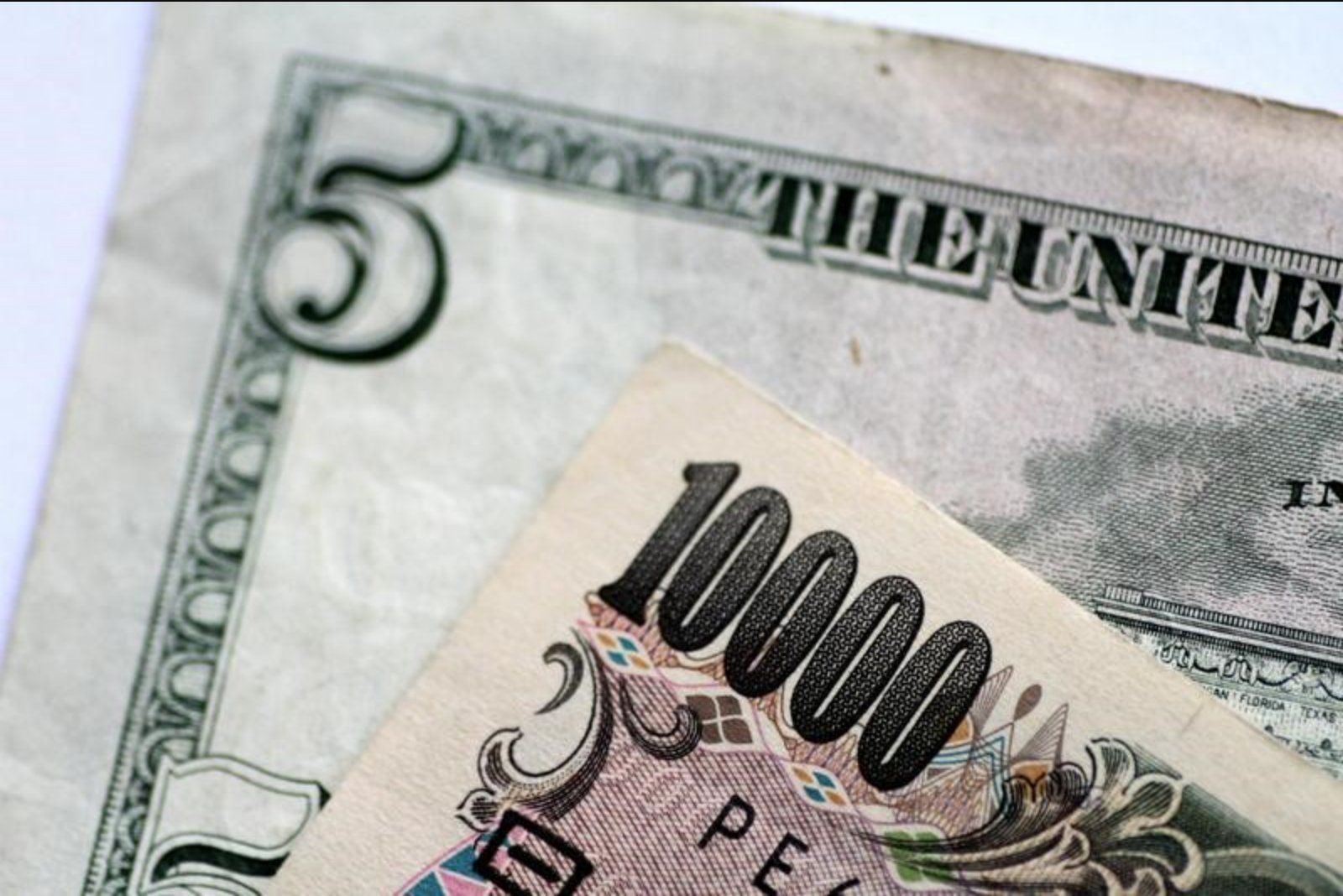
At 03:55 ET (08:55 GMT) on Monday the Dollar Index, which measures the U.S. dollar against a basket of six currencies, was trading 0.1% higher at 96.860, following a 0.8% decline last week. Market activity was subdued after U.S. markets and large portions of Asia - including China - were closed for public holidays, leaving liquidity thin.
U.S. data and Fed expectations
Friday's U.S. consumer-price report showed inflation rose by less than anticipated in January, a result that has heightened expectations that the Federal Reserve could resume easing policy later in the year. The article's coverage noted the potential political backdrop to Fed leadership, stating that Kevin Warsh is likely to become Chairman of the Federal Reserve in May - a development cited in market commentary as a factor that could support later rate cuts.
Still, recent labor-market releases painted a resilient picture. Last week's payroll numbers suggested the U.S. job market remains reasonably robust, diminishing immediate pressure on the Fed to move on rate cuts. Futures markets currently price in 62 basis points of additional easing for the remainder of the year, and assign roughly a 68% probability that the next reduction will come in June.
Analysts at ING reflected on the recent price action, arguing that the improvements in U.S. macro indicators have not been enough to return the dollar to levels seen in early January. Their note said the mid-January "sell America" episode has inflicted lasting damage on the greenback, and that last week’s reaction following payrolls reinforced a lack of confidence - where strong data and hawkish repricing produced only a modest and short-lived dollar rally.
Investors have a busy economic calendar this week, with weekly ADP employment figures due on Tuesday, the FOMC minutes on Wednesday, and core personal consumption expenditures (PCE) for December along with fourth-quarter GDP on Friday. Market participants will be watching those releases closely for further insight into the timing and scale of potential Fed easing.
European currencies under pressure
Across Europe, EUR/USD was trading 0.1% lower at 1.1861 as markets awaited December industrial production figures for the eurozone later in the session. Data published late last week indicated the eurozone economy expanded by 0.3% in the final quarter of 2025, equating to an annualized pace of 1.4%.
ING commented that the eurozone economic calendar becomes more active this week, with the ZEW survey and purchasing managers' indices (PMIs) on the horizon. While the analysts said they were optimistic about those surveys, they did not expect a significant euro reaction. ING also noted that although short-term valuation metrics point to meaningful downside risk for EUR/USD, recent price behavior suggests persistent buy-the-dip activity. On balance, ING judged a move below 1.180 as more probable this week than a rise toward 1.20.
GBP/USD edged slightly higher to 1.3653. Sterling's attempts at gains were hampered by ongoing political uncertainty. ING pointed out that although political noise had eased somewhat, Prime Minister Keir Starmer was still perceived as vulnerable; betting markets were assigning roughly a 70% chance he would step down by the end of June. ING warned that the pound could be prone to depreciation episodes if Starmer's political standing deteriorates further.
Investors are also tracking a string of United Kingdom data this week, including the January jobs report on Tuesday and inflation figures for the same month on Wednesday, both of which could influence sterling moves.
Asia: yen weakens on disappointing growth; other Asian pairs subdued
In Asian trade, USD/JPY rose 0.4% to 153.27 as the Japanese yen came under pressure following weak gross domestic product figures. Japan's economy expanded at an annualized rate of only 0.2% in the December quarter, far below forecasts of 1.6%.
The soft outturn suggested that fiscal stimulus enacted in late 2025 had so far had limited impact on growth. The coverage indicated that Prime Minister Sanae Takaichi is likely to have to authorize additional spending to support the economy. It also noted that she appears to have a clear legislative pathway to do so after her ruling coalition secured a supermajority in the lower house of parliament.
Elsewhere in Asia, USD/CNY was up about 0.1% at 6.9087 in light trade, with limited activity reflecting the closure of Chinese markets for the remainder of the week.
AUD/USD gained 0.2% to 0.7088, leaving the Australian dollar close to three-year highs after a series of hawkish signals from the Reserve Bank of Australia last week.
Market implications
Currency markets remain sensitive to U.S. inflation and labor data, which continue to shape expectations for the timing of Federal Reserve policy easing.
Political developments in the U.K. and fiscal maneuvering in Japan are key domestic drivers affecting sterling and the yen, respectively.
Liquidity constraints from holiday closures can accentuate moves and mute trading volumes, making price action harder to interpret in the short term.
Traders and risk managers will be watching this week’s set of macro releases for signals on the economic momentum in major economies and the resulting implications for central bank policy paths.