
Investors shifted into perceived safe assets after the United States and Israel conducted air strikes that killed Iran’s supreme leader, Ayatollah Ali Khamenei, an event confirmed by Iranian state media that has intensified concerns over a prolonged Middle East conflict and lifted energy-market stress.
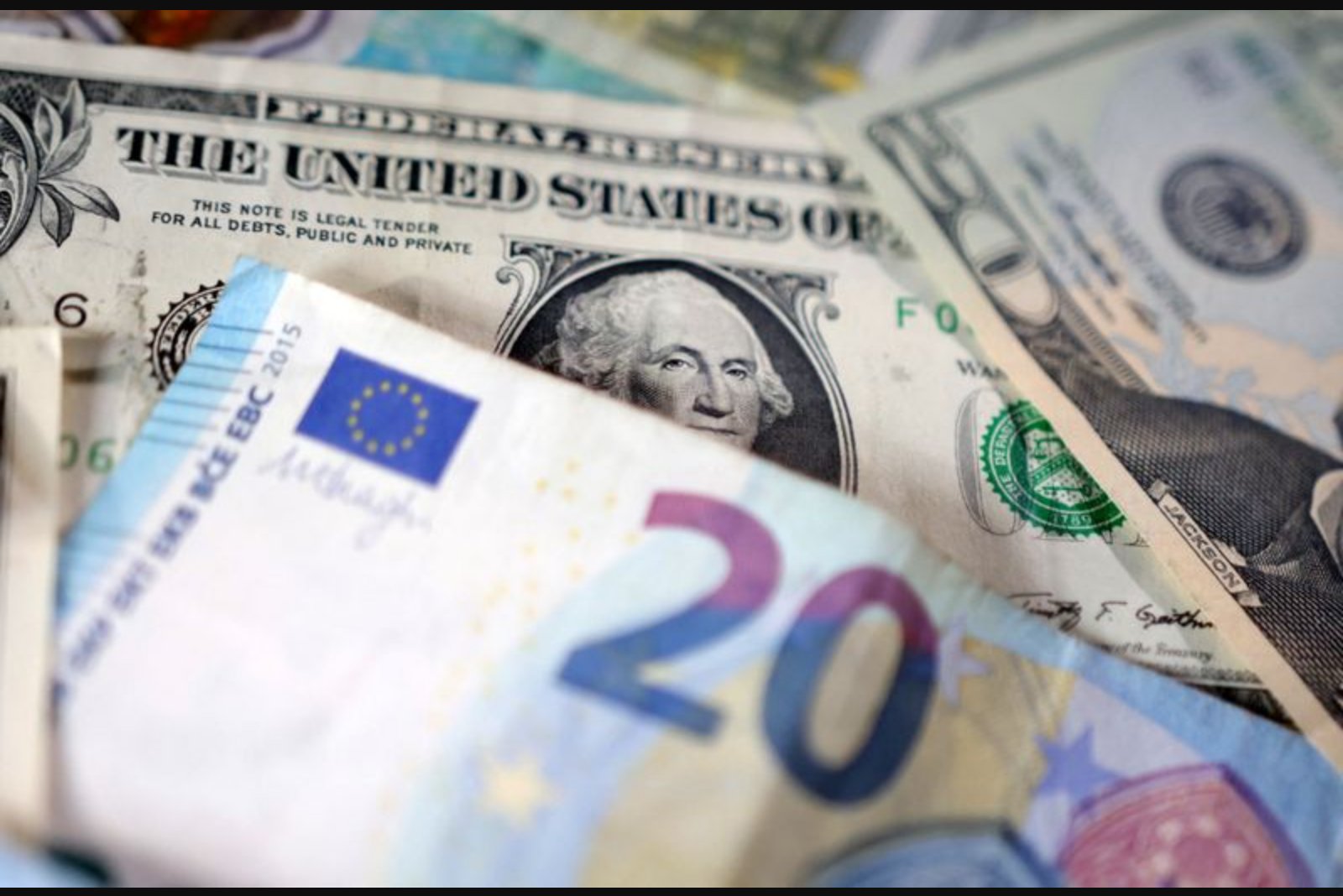
Currency markets reacted swiftly in Asia session trading. The euro weakened, trading down about 0.3% to $1.1781. The Swiss franc strengthened roughly 0.2% to 0.7674 per dollar and rose 0.6% on the euro to reach a level described in regional trading hours as its strongest since 2015 at around 0.9030 on the euro quote. The dollar broadly jumped as investors sought safety.
The yen initially appreciated on the shock but was restrained by Japan’s large oil import needs and was last quoted a fraction weaker at 156.32 to the dollar. Sterling and the Australian dollar fell more than 0.5%, and China’s offshore yuan slipped about 0.2%, with analysts pointing to China’s role as an energy importer and a major buyer of Iranian oil as a factor behind the move.
Analysts flagged immediate concerns over energy-market disruption. Oil prices were the market’s early focal point and rose sharply, jumping roughly 9% in early Monday trade on the effects to seaborne commerce through key chokepoints. Shipping data referenced in market commentary showed at least 150 tankers, including crude and liquefied natural gas vessels, at anchor in open Gulf waters beyond the Strait of Hormuz, with dozens more stationary on the other side of the passage.
Risk-sensitive currencies showed disparate moves. The Australian dollar, often correlated with risk appetite and commodity exposure, fell about 0.7% to $0.7065 in early trading, while currencies of key energy exporters such as the Canadian dollar and the Norwegian krone were described as steady in the Asia morning trade.
Market strategists noted the immediate response was a measured risk-off move, with uncertainty over how protracted the disruption might be. "You don’t know how long this is going to last, how high oil is going to go, how long the Strait of Hormuz is going to be closed," said BNZ strategist Jason Wong, characterizing the outlook as a day-by-day process.
Concerns specific to Europe were also highlighted by analysts. With the EU entering its natural gas storage refill season from record-low levels, analysts at Wells Fargo remarked that Europe faces the prospect of having to buy substantial volumes of energy at a time when prices could spike, placing additional pressure on the euro.
The security situation remained volatile. The Israeli military said its air force had carried out the strike that killed Khamenei, and said many targets remained, though it added that deploying ground forces was not under consideration. Iran reportedly struck back, with the Islamic Revolutionary Guard Corps saying it had hit three U.S. and British oil tankers, and blasts were reported over Dubai and Doha.
U.S. political commentary included an assessment from President Donald Trump, who told the Daily Mail the campaign could run for a month, saying, "We figured it will be four weeks or so. It’s always been about a four-week process." Military spokespeople and other officials indicated continued operations and multiple potential targets.
The combination of elevated oil prices and disruptions to shipping routes has translated quickly into market moves across currencies and commodities, and traders will be watching daily developments for further signs of escalation or de-escalation that could determine whether the initial risk-off stance persists.