
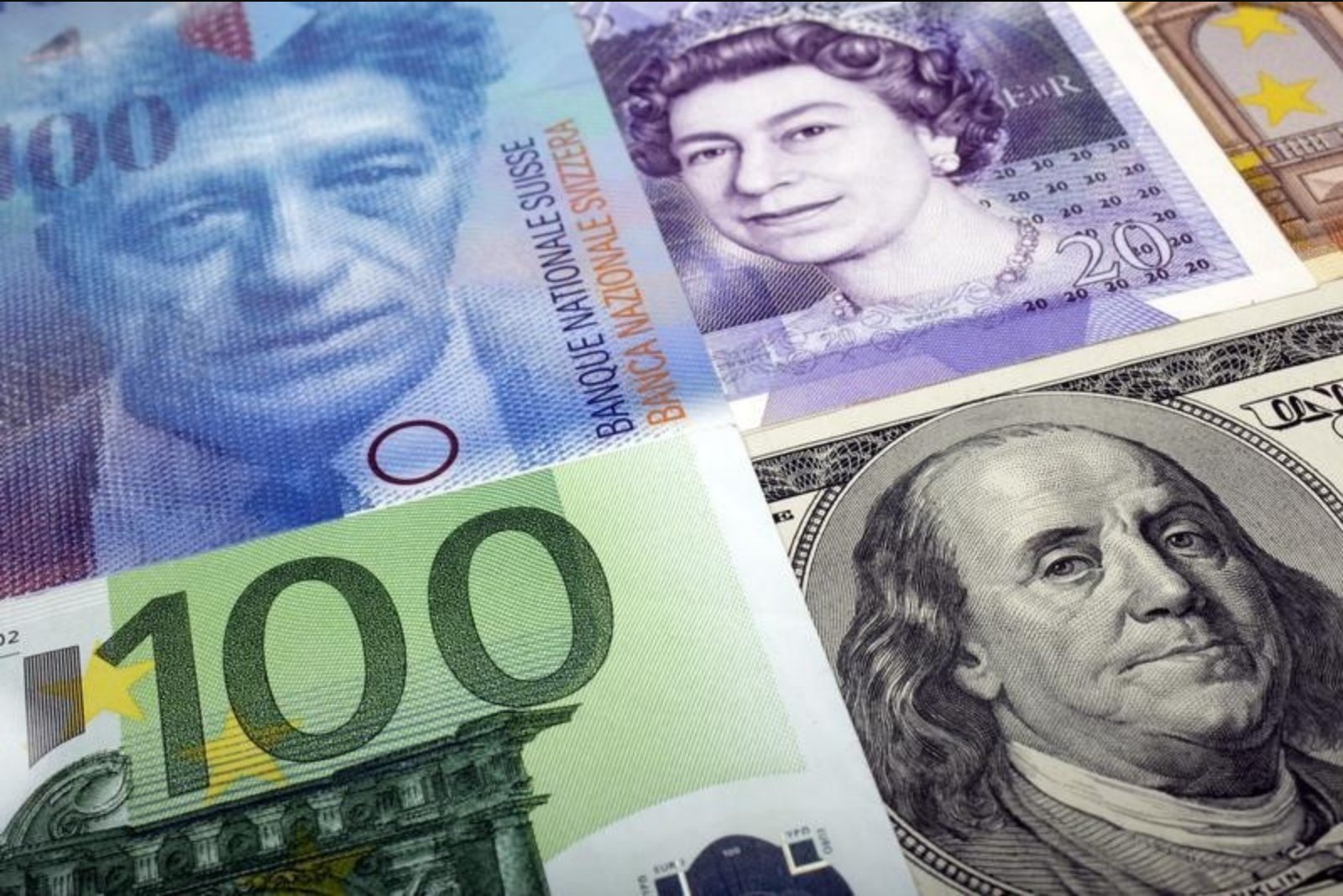
At 04:15 ET (09:15 GMT) on Monday, the U.S. Dollar Index - which measures the greenback versus a basket of six currencies - slid 0.3% to 97.487. That followed a roughly 1% weekly gain last week, the index's strongest weekly performance in more than four months.
Traders cited renewed trade-policy uncertainty as a central factor behind the dollar's retreat. Over the weekend, the U.S. Supreme Court ruled that the breadth of the previous administration's tariff program exceeded presidential authority. In response, the U.S. president criticized the court and imposed a blanket 15% tariff on imports.
Analysts at ING noted the practical implications of the move, pointing out that some countries could now pay lower tariff rates while others may lose preferential 10% deals. "This means that the likes of China and Brazil could get lower tariff rates, but countries such as the U.K. and Australia would lose the advantage of their 10% negotiated deals," ING said in a note. The bank added that many trading partners are reviewing their arrangements with the U.S., with the European Union among the most significant.
The replacement levies put in place by the executive branch are scheduled to run for 150 days, and the Supreme Court did not make a determination on whether importers are owed refunds for duties already paid. That unresolved question, ING warned, could fuel years of litigation and prolong uncertainty while the administration pursues permanent replacements for the prior tariff regime.
Geopolitical developments also factored into market moves. The U.S. has increased its military posture in the Middle East as it seeks to pressure Iran on its nuclear program, and additional talks between the U.S. and Iran are expected later this week. ING suggested that the lack of a U.S. military strike over the weekend was likely one driver of dollar selling, but added that trade uncertainty and its implications for the U.S. economy were also important considerations.
European currencies and sentiment
The euro benefited from the dollar's softness, with EUR/USD trading 0.3% higher at 1.1811. ING observed that the European Union may not be exposed to a materially worse trade outcome than what had already been negotiated, offering some reassurance to exporters who had adapted to existing arrangements. Support for the euro also came from regional activity data and business surveys.
Official releases showed an uptick in Eurozone business activity for the month, with manufacturing returning to growth for the first time since October. Complementing that picture, Germany's Ifo business climate index rose to 88.6 from 87.6 the previous month, providing additional backing for the single currency on Monday.
Sterling was also bid, with GBP/USD up 0.2% at 1.3514. Market participants recognised two U.K.-specific event risks this week: testimony from the Bank of England Governor to the Treasury select committee and a U.K. by-election in Gorton and Denton. ING highlighted the political risk tied to the contest, saying that "a heavy defeat for the ruling Labour Party could re-ignite speculation over the Labour leadership and again weigh on sterling."
Asia and other major pairs
In Asia, the Japanese yen enjoyed modest support as traders adopted a cautious tone in the face of higher U.S. tariffs and broader global uncertainty. USD/JPY slipped about 0.3% to 154.63, with a holiday in Japan limiting trading activity.
China's markets remained closed for New Year celebrations, and USD/CNY was largely unchanged at 6.9087. In the Antipodes, AUD/USD traded near flat at 0.7084, while NZD/USD inched higher by 0.1% to 0.5982.
Market implications
Currency markets continue to be sensitive to both trade-policy developments and geopolitical signals. The tug between legal uncertainty around U.S. tariffs and signs of stabilising activity in Europe has produced a mixed picture: the dollar has given ground against some peers even as it showed strength last week, while the euro and sterling have found incremental support from regional indicators and political calendars.
Given the outstanding legal questions about refunds and the temporary nature of replacement levies, markets may face prolonged ambiguity. Separately, the prospect of further U.S.-Iran diplomacy and the U.S. military posture in the region will remain variables for risk sentiment and safe-haven flows.