
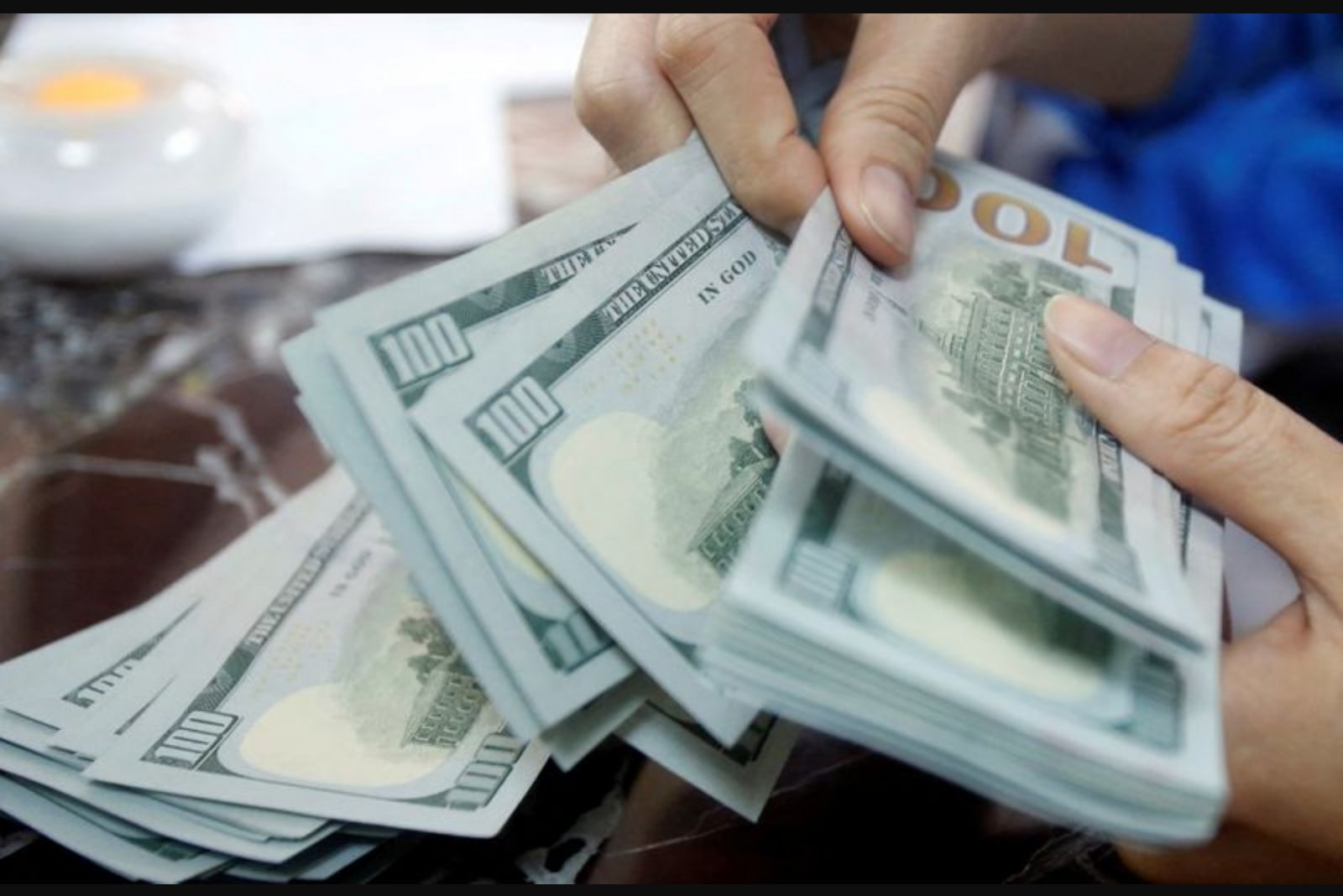
The U.S. dollar’s rally paused on Thursday, offering a short-lived respite to currencies that had been pushed lower earlier in the week. A report that Iranian intelligence figures indicated openness to talks with the CIA briefly eased fears that the conflict in the Middle East would be prolonged, although Tehran later dismissed the story. That sequence highlighted how fragile market sentiment remains around the conflict and its potential to shock global markets.
Against a basket of currencies, the dollar eased to 98.78 after earlier reaching its highest level in over three months. The euro recovered slightly to $1.1636 after sliding to a more-than three-month low on Tuesday, while sterling held steady at $1.3366.
Carol Kong, a currency strategist at Commonwealth Bank of Australia, noted markets had adopted a relatively calm stance despite the uncertain trajectory of the conflict. "I wouldn’t say it was particularly good news, because Iran came out and kind of dismissed the report, and it is still clearly uncertain how long the war would drag on and the impact of it, but markets have certainly taken a relatively sanguine view," she said.
Market sentiment received additional support from stronger-than-expected U.S. economic data released on Wednesday. Services sector activity jumped to more than a three-and-a-half-year high in February, a gain attributed in part to businesses rebuilding inventories in anticipation of solid demand.
Even with Thursday’s pullback, the dollar remained up more than 1% for the week to date, leaving it among the small group of assets that have gained over several turbulent sessions that weighed on equities, bonds and, intermittently, precious metals.
Market participants have been watching the effect of higher energy prices, driven by the fallout from the Middle East conflict, on inflation expectations. A pickup in oil and gas costs has stoked concerns that inflation could re-accelerate and thereby influence central bank policy. Bas van Geffen, senior macro strategist at Rabobank, said markets were treating the conflict predominantly as an inflation risk. "In the case of the (Federal Reserve) and Bank of England that means fewer rate cuts are being priced, but EUR money markets are now pricing in around 40% odds that the (European Central Bank) may have to hike rates before the end of the year," he noted.
Currency moves outside the dollar-euro-sterling axis were mixed. The yen found modest support from the weaker greenback and gained 0.2% to trade at 156.78 per dollar. The Australian dollar extended its prior-session gains, rising 0.14% to $0.7085 and building on a 0.57% advance from the previous day. New Zealand’s dollar was largely unchanged at $0.5942.
Despite its usual sensitivity to risk appetite, the Australian dollar has seen an atypical safe-haven bid this week as the nation’s energy abundance helped offset the impact of rising oil prices.
The offshore yuan strengthened slightly ahead of the onshore market, trading up 0.12% at 6.8860 per dollar.
Cryptocurrencies saw modest retracement after a strong rally overnight. Bitcoin and ether each fell about 1% as risk appetite ebbed somewhat following the earlier gains.
In broader macro developments noted during the session, China set its 2026 economic growth target at a range of 4.5% to 5%, a marginal downgrade from the 5% pace recorded last year. The target was described as leaving room for greater efforts to address industrial overcapacity and to rebalance the economy, though those efforts were characterized as not decisive.