
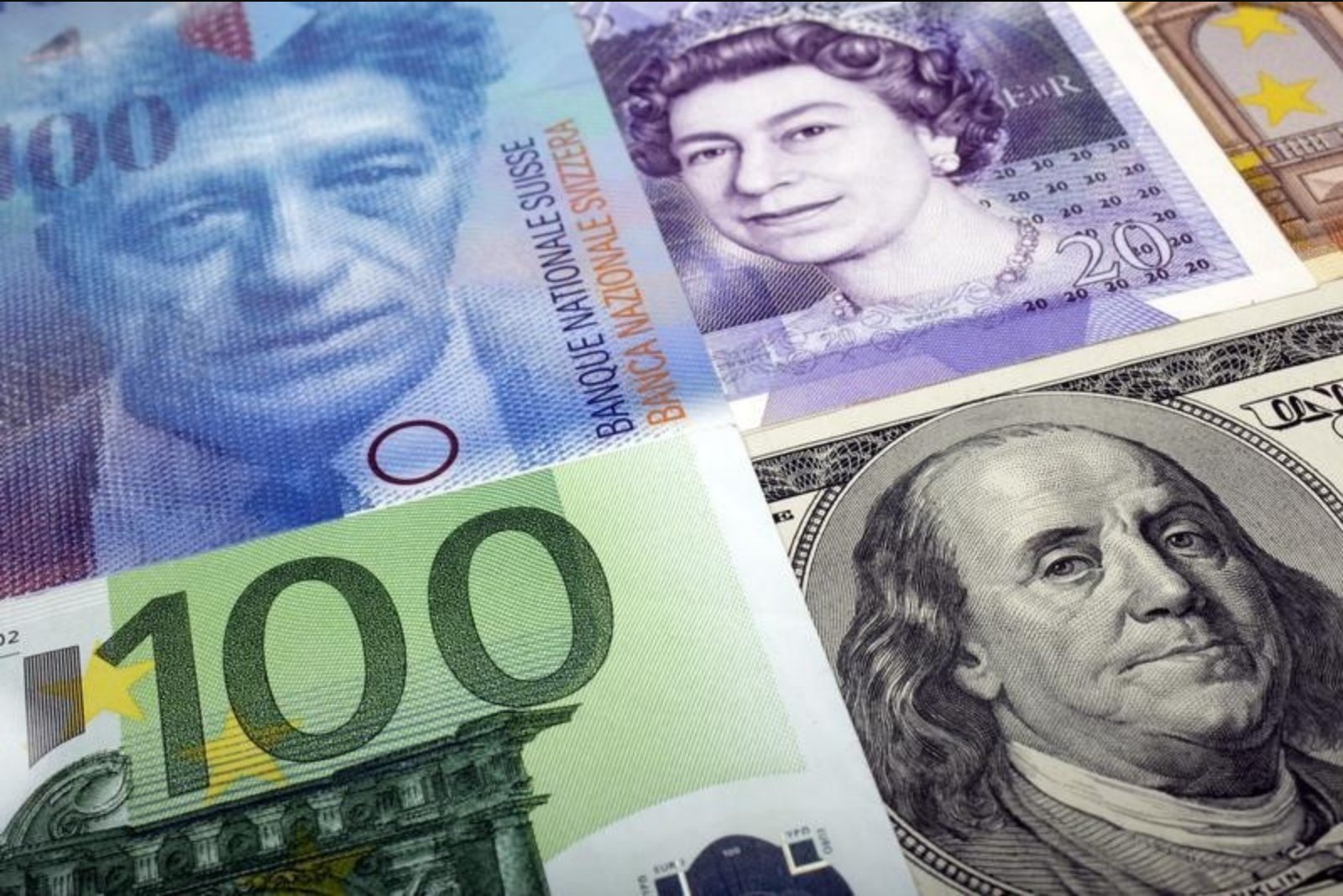
The U.S. dollar edged down on Friday but was set to finish the month higher, buoyed by elevated geopolitical tensions and a shift toward a more hawkish tone from Federal Reserve policymakers.
At 03:00 ET (08:00 GMT), the Dollar Index, which tracks the greenback against a basket of six other currencies, traded 0.1% higher to 97.650, but was on track for monthly gains of around 1.4%.
Geopolitical pressures sustain safe-haven demand
Support for the dollar has been reinforced by market concerns that an increased U.S. military presence in the Middle East could escalate into conflict with Iran. Officials from the United States and Iran met to discuss Tehran's nuclear programme; mediator Oman said the two sides made progress on Thursday, but lengthy negotiations concluded without any sign of a breakthrough that would avert the risk of potential U.S. strikes.
Analysts at ING noted that an escalation in U.S.-Iran tensions currently carries the greatest potential to affect the dollar. They added: "Polymarket probability of a U.S. strike on Iran by end-March remains somewhat elevated at 55% though, and we think this is preventing markets from chasing dollar depreciation much further for the time being."
Federal Reserve tone keeps market attentive
The dollar has also been supported by a slightly more hawkish tilt from the Federal Reserve after "several" policymakers signalled at January's policy meeting that they were open to raising rates again if inflation stayed elevated. Investors were watching for further data and commentary later in the session, with January's U.S. producer price index due and speeches scheduled from Fed officials John Williams and Neel Kashkari.
ING added that short-term drivers point to upside for the U.S. currency, while fresh tariff uncertainty has reinforced a USD risk premium. "We expect stabilisation in the dollar today, barring major geopolitical news," the bank said.
European currencies see headwinds
In Europe, EUR/USD traded 0.1% higher to 1.1806, but the single currency was facing a monthly decline of just over 1% amid expectations that the European Central Bank will keep interest rates on hold for an extended period. Recent data showed the number of unemployed people in Germany rose slightly in February, increasing by 1,000 to 2.977 million, a continuation of economic weakness that has weighed on Europe's largest labour market.
Meanwhile, French consumer prices rose more than expected in February, climbing 1.1% year-on-year, a sign of re-acceleration after inflation had slowed to its lowest level in more than five years in January. ING commented that 1.180 may act as an anchor for EUR/USD in an environment where uncertainty over Iran discourages aggressive directional bets.
Pound pressured by domestic political shock
GBP/USD gained 0.1% to 1.3495 on the session, but the pound was set to break a three-month winning streak, down over 2% in February. The decline followed an unexpected loss by the Labour Party in a safe seat to the Green Party in a special election, a result that puts pressure on Prime Minister Keir Starmer amid weeks of political turmoil and calls for him to resign.
ING observed that anything seen as weakening Starmer's position has weighed on the pound recently. They suggested the Greens' success could increase the perceived likelihood of a more left-leaning successor to Starmer, should he leave office early, a dynamic that has hurt sterling.
Asia-Pacific currencies diverge
In Asia, USD/JPY slipped 0.1% to 156.04 on the day, though the pair was still set to climb about 0.6% for February. The Japanese currency has struggled as markets scrutinised the fiscal impact of Prime Minister Sanae Takaichi's stimulus and tax break proposals. Takaichi was widely seen as having a clear path to advance those fiscal plans after her ruling coalition secured a supermajority in Japan's lower house of parliament.
Yen weakness was compounded by growing doubts over the timing of the Bank of Japan's next rate move. Soft consumer price index inflation data from Tokyo for February showed core CPI falling below the BOJ's 2% annual target for the first time in nearly four years, a trend likely to constrain the central bank's room for further tightening.
Elsewhere in Asia, USD/CNY traded 0.2% higher to 6.8552 after the People's Bank of China removed a key foreign exchange risk ratio for some forward contracts, a change that allows cheaper dollar buying within the country. That regulatory adjustment followed a recent strong rally by the yuan against the dollar, driven in part by exporters selling the greenback amid a sizeable trade surplus with the United States.
Commodity-linked currencies react to policy outlooks
AUD/USD climbed 0.3% to 0.7125, with the Australian dollar set to gain more than 2% on the month. The rise in the aussie was attributed primarily to a hawkish shift in expectations for the Reserve Bank of Australia.
What markets are watching next
Market participants remained focused on the interplay between geopolitical developments that underpin safe-haven flows and central bank signals that affect relative interest-rate expectations. Data releases such as U.S. PPI and public comments from Fed officials, together with political and inflation developments in Europe and Japan, were cited as the immediate catalysts likely to influence currency moves in the near term.
Given the current mix of geopolitical uncertainty and central bank positioning, currency markets appeared to be trading with a premium for safety and policy-driven repricing.