
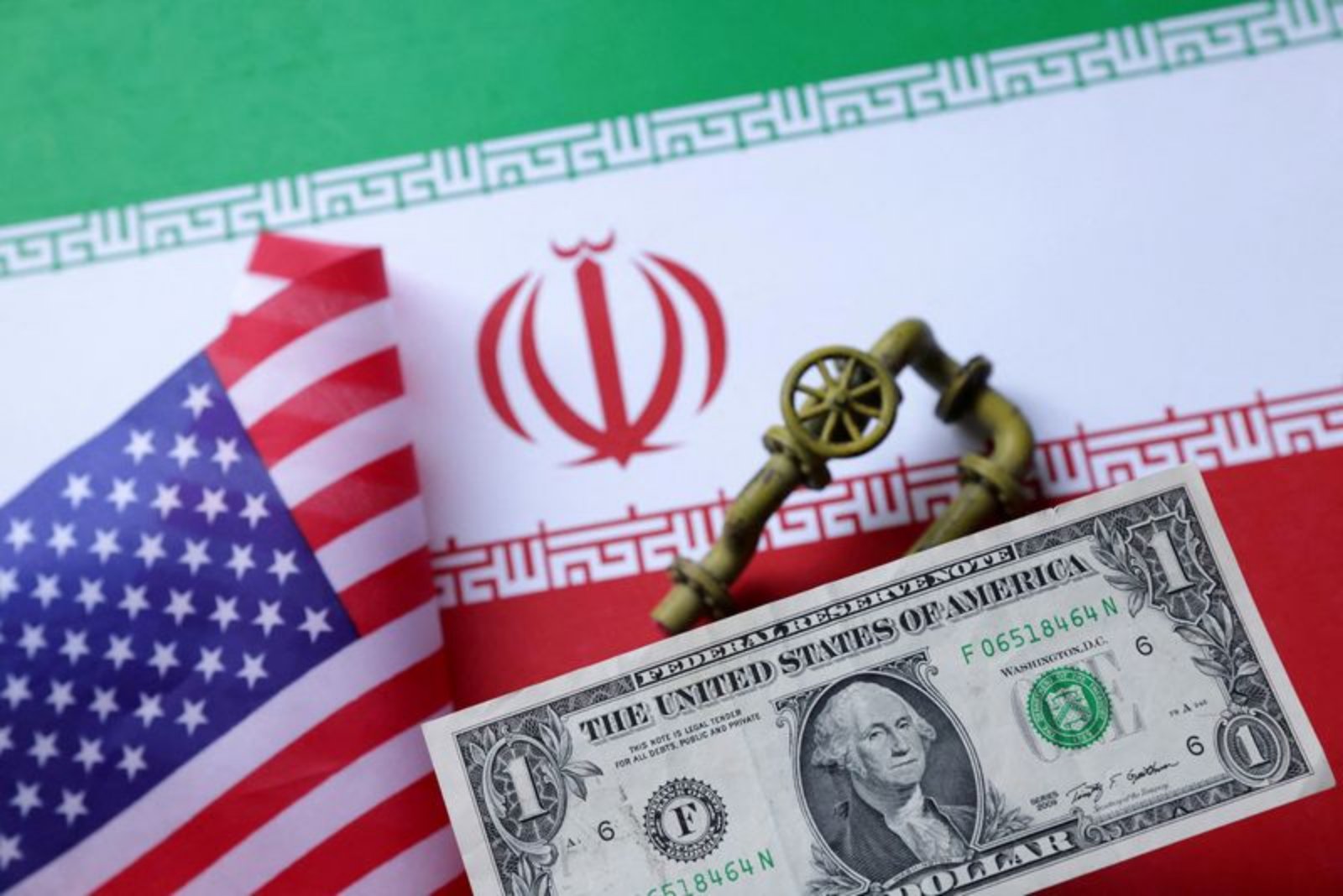
Summary: The dollar held firm on Friday, poised for a second consecutive weekly advance since the Iran war began, as investors sought safety amid regional turmoil and rising energy prices. The euro approached its weakest level since November, the yen traded at alarmingly weak rates that could trigger Japanese intervention, and oil market strains prompted emergency releases and policy scrutiny ahead of Federal Reserve and European Central Bank meetings.
Market moves
The dollar index, which measures the U.S. currency against a basket of peers, climbed to its highest point since November driven by both safe-haven demand and the United States' position as a net exporter of energy. In early Asian trading the index eased slightly, down 0.04% to 99.63, but remained on track for a 0.8% gain for the week.
Across individual pairs, the euro traded near $1.1525, reflecting levels close to its weakest since November. The yen strengthened modestly by 0.17% to 159.08 per dollar after touching a 159.43 figure the previous day, a level that had raised market concern about potential intervention by Japanese authorities. Sterling edged up 0.11% to $1.3356.
Energy and oil disruptions
Oil prices climbed amid heightened attacks on oil and transport infrastructure across the Middle East, a trend accompanied by Iranian declarations about keeping the Strait of Hormuz closed. In response to supply strains, the International Energy Agency agreed to release a record 400 million barrels from strategic stockpiles - an amount which would cover roughly 20 days of lost supply linked to the Strait of Hormuz disruptions and which will take weeks or months to reach markets.
The U.S. Treasury issued a Russia-related general license permitting the sale of Russian crude oil and petroleum products loaded on vessels through April 11. This step comes as the United States also conducts rescue efforts in western Iraq after a military refueling aircraft crashed in an incident that U.S. Central Command said was not due to hostile or friendly fire.
Geopolitical developments
Regional tensions have intensified. Iran expanded attacks on energy and transport targets across the Middle East, while its newly named Supreme Leader, Mojtaba Khamenei, pledged to keep the Strait of Hormuz closed. These developments contributed to market strains and a heightened focus on energy security.
Market commentary and outlook
Gavin Friend, senior markets strategist at National Australia Bank in London, described the current market focus as shifting away from diversification toward the twin concerns of inflation and weaker growth. He summarized the prevailing market sentiment as a ‘‘toxic mix’’ of higher inflation and lower growth that may persist should the crisis continue.
Investors are preparing for next week’s policy meetings at the Federal Reserve and the European Central Bank, watching closely to see how authorities might respond to an energy-price shock. Swaps market pricing on Thursday indicated that traders expect the ECB could raise rates possibly as early as June, while the U.S. Federal Reserve might delay cuts until September, pushed back from prior expectations for July, according to LSEG data.
Other assets
Among commodity-linked currencies, the Australian dollar strengthened 0.14% versus the dollar to $0.7084, and New Zealand’s dollar ticked up 0.05% to $0.5858. In cryptocurrencies, bitcoin rose 1.81% to $71,464.23 while ether climbed 2.48% to $2,114.22.
Implications for markets and policy
The combination of energy market disruption, safe-haven flows into the dollar, and central bank positioning creates an environment of elevated uncertainty. Policymakers will have to weigh the inflationary impact of higher energy prices against growth concerns, while market participants monitor for possible interventions and the timing of central bank moves.
Key points
- The U.S. dollar is set for a second weekly gain since the Iran war began, supported by safe-haven demand and the U.S. role as a net energy exporter.
- Oil market disruptions have prompted a record 400 million-barrel release from strategic reserves and changes in sanctioned Russian oil movements, increasing pressure on energy markets and policy makers.
- Investors are closely watching next week’s Federal Reserve and ECB meetings for indications of how central banks will react to higher energy prices and the prospect of slower growth.
Risks and uncertainties
- Escalating attacks on regional energy and transport infrastructure could prolong disruptions to oil supply, sustaining higher energy prices - this directly impacts energy markets and inflation-sensitive sectors.
- Currency intervention risks - notably in Japan if the yen remains at weak levels - could add volatility to FX markets and affect cross-border capital flows.
- Central bank policy divergence and unexpected timing of rate moves could unsettle financial markets, influencing interest-rate sensitive sectors and asset prices.