
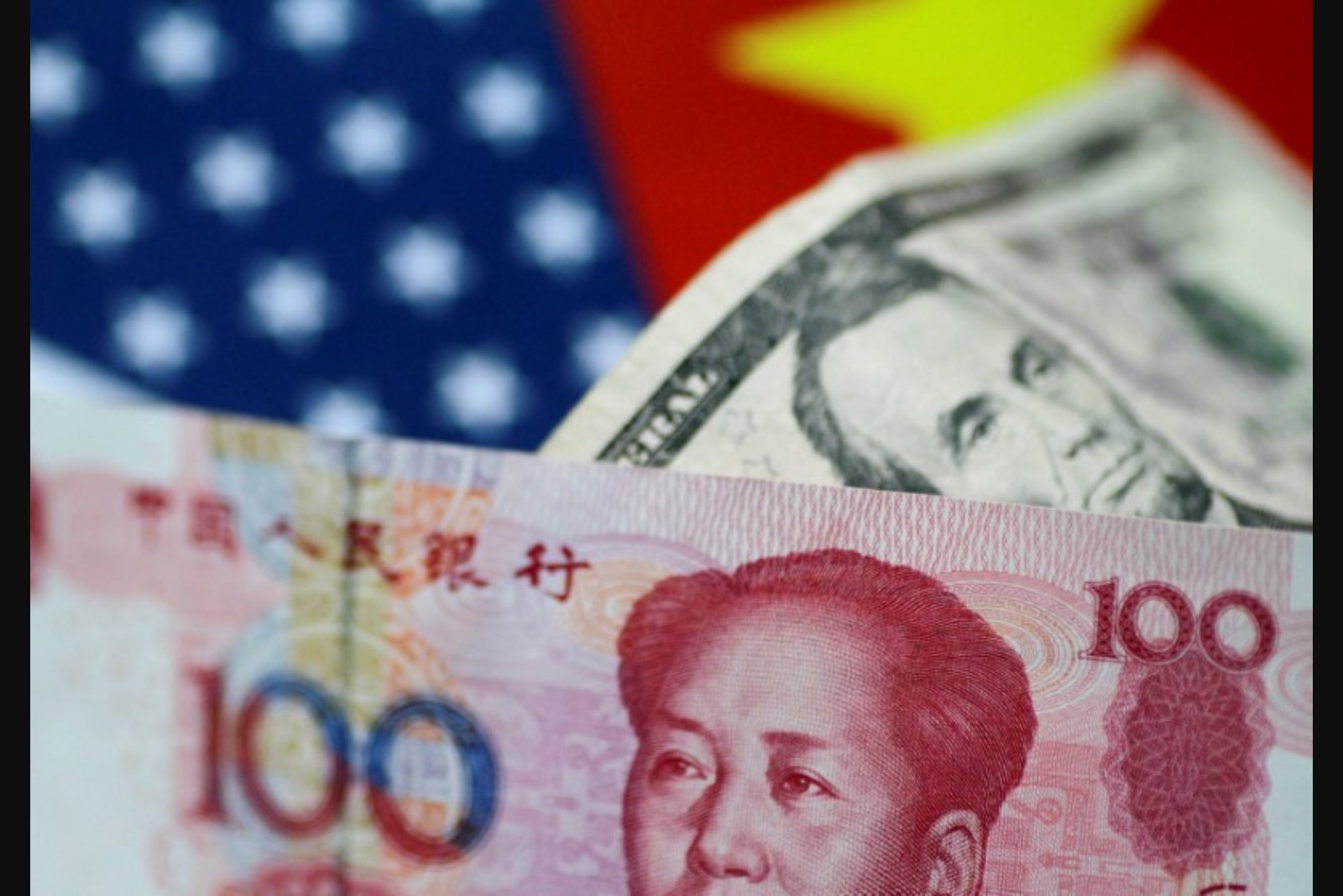
BCA Research strategists argue that the Chinese currency is mispriced relative to fundamentals and that Beijing could allow the yuan to rise while preserving the nation's export strength. In a note, the team described the yuan as "undervalued and highly competitive," a position that underpins their view China can tolerate some appreciation without damaging its external sales.
China's offshore yuan had rallied to near three-year highs against the U.S. dollar just before the Lunar New Year, a move that reflected a weakening in the greenback and renewed conversation about the dollar's durability as the global reserve currency. At the same time, political leaders on both sides have signaled preferences for currency moves: Chinese President Xi Jinping has urged the yuan to become a "powerful currency" used more frequently in international transactions and reserves, while U.S. President Donald Trump has described a softer dollar as "great" because of its potential to address perceived trade imbalances.
Within BCA Research, strategists Chester Ntonifor and Marko Papic explain how a stronger yuan could be operationalized to address several policy objectives. First, the appreciation would permit China to rely less on exports and encourage a larger contribution from domestic consumption, which the note identifies as currently subdued amid a prolonged real estate crisis.
The note also links a firmer yuan to improvements in the capital account, suggesting a narrowed deficit as one possible outcome. The strategists add that a stronger currency could be a component of a broader effort by Beijing to reduce dependence on the U.S. financial system and "gain greater sovereignty."
On the export question, the analysts stress that global trade is expanding and that a competitive currency will leave China well positioned. They write, "On exports, the global trade pie is expanding. With a competitive currency, China will be fine."
In practical portfolio terms, the strategists argue that investor behavior should shift. They propose that capital will rotate toward Chinese domestic companies that maintain some international exposure, and that investors should consider overweighting the yuan. "By the same logic, given the CNY’s competitiveness and our view that investors will pivot to buy the rest of the world, capital should rotate into Chinese domestic companies with some international exposure. Even if we are only half right, and China becomes Asia’s monetary anchor in place of the dollar, you will want to be overweight the Chinese yuan," they wrote.
Looking ahead, the analysts identify a specific trade opportunity: being long the Chinese yuan against the Hong Kong dollar over the next few years. They acknowledged, however, that as global markets come to appreciate China's competitiveness, they plan to shift into other currency pairs.
Context and implications
- Currency valuation and competitiveness are central to how China balances export performance and domestic demand.
- Policy aims articulated by Chinese leadership for a more internationally used yuan align with the strategists' view of room for appreciation.
- Investment recommendations include overweighting Chinese assets with international exposure and favoring yuan strength versus the Hong Kong dollar in the near term.