
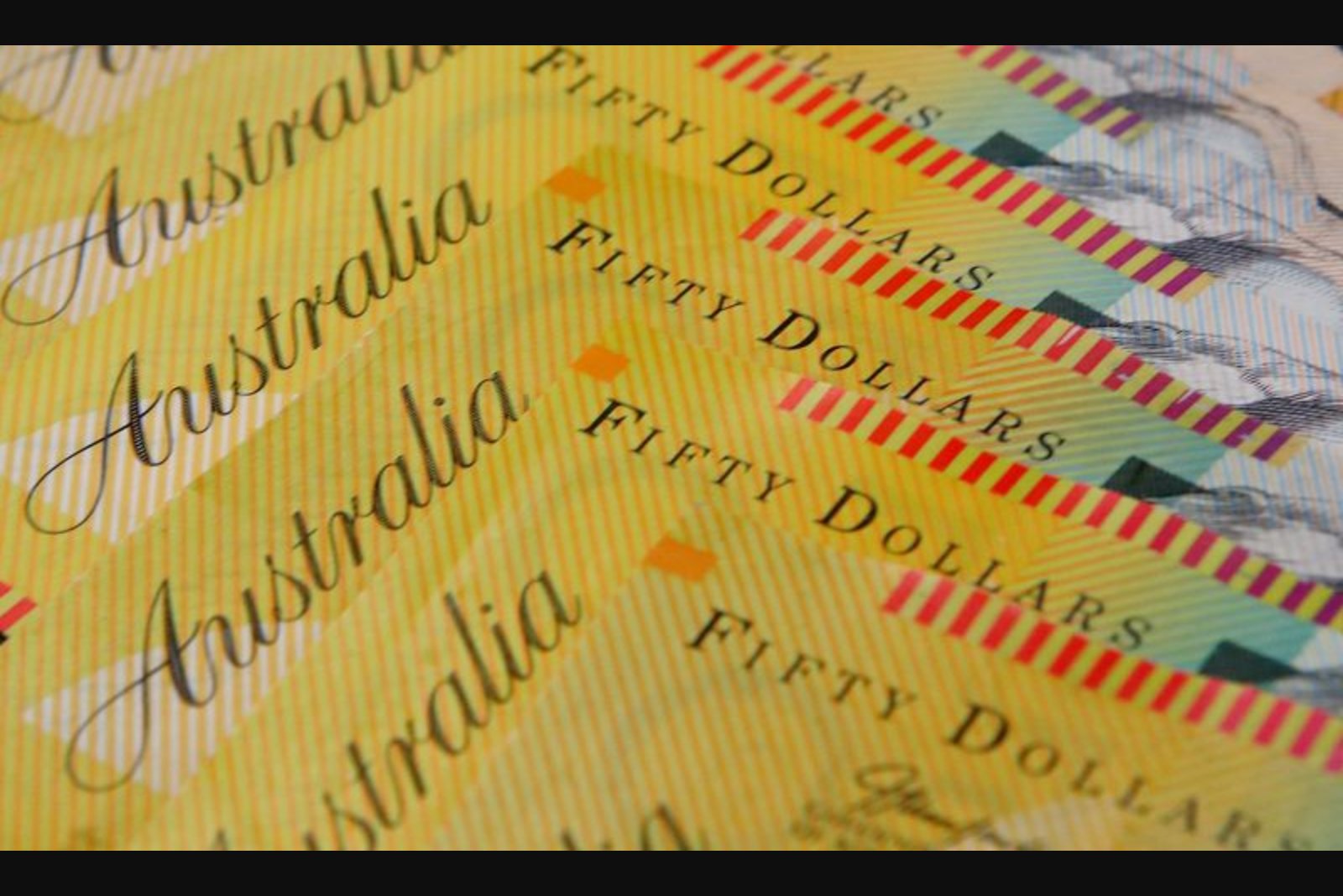
Currency markets swung sharply on Thursday as a rapid improvement in risk appetite pushed the Australian dollar and New Zealand dollar back from recent lows. Traders attributed the move to hopes that oil shipments might resume through the Strait of Hormuz and to speculation about potential talks between the United States and Iran - developments that remain uncertain.
The Australian dollar was quoted at $0.7078, up after an overnight bounce of 0.6% that helped it recover from a low of $0.6985. This week has seen extreme intraday swings in the currency, which has traded as low as $0.6945 and as high as $0.7122, underlining the elevated volatility surrounding events in the Middle East.
The New Zealand dollar was around $0.5940, having climbed 0.9% overnight after earlier falling to a trough of $0.5861. Technical levels for the kiwi cited by dealers include major support at $0.5837, with resistance at $0.5954 and $0.6012.
Market strategists warned that the current improvement in sentiment could be reversible. "If the U.S.-Israel-Iran conflict proves short lived, then positive AUD fundamentals should quickly reassert," said Ray Attrill, head of FX Strategy at NAB. "But any signs that the conflict turns into drawn-out affair leaves AUD vulnerable to the downside," he cautioned. "A move above $90 for WTI crude or close to $100 for Brent could be a trigger for a much bigger risk off event."
Domestically, the picture was mixed. Australian household spending rose by a modest 0.3% in January, following a 0.5% decline the previous month, suggesting consumer demand has cooled from earlier momentum. That soft patch in spending may relieve some pressure on the Reserve Bank of Australia (RBA) by reducing the risk that demand is outstripping the economy's supply capacity and forcing further interest rate hikes.
Separate figures released on Wednesday showed the economy accelerated in the December quarter, creating upward pressure on inflation, while also pointing to signs of improved productivity and a moderation in labour costs. Those dynamics have produced a tense market view of likely RBA action: traders price only about a 20% chance of a rate rise at the March 17 meeting, yet expect the cash rate to reach 4.10% by May.
Belinda Allen, head of Australian economics at CBA, said the bank's own outlook remains tilted toward a May hike. "We still expect the RBA to lift the cash rate in May and stay on hold in March, but a lively debate is expected," she said. "Dependent on the duration and severity of the Mid East conflict, the clear risk sits with the RBA having to lean further against inflation."
For now, currency traders are navigating between temporary relief driven by hopeful headlines about oil flows and talks, and the underlying economic signals that keep central bank decisions in focus. Given the potential for oil prices to spike if tensions escalate, the antipodean currencies look set to remain sensitive to geopolitical headlines and data that speak to domestic demand and inflation.
Market implications
- FX markets - short-term risk appetite swings are driving the AUD and NZD; higher oil prices could reverse gains quickly.
- Monetary policy - mixed Australian data complicates the RBA decision path, with markets split on a near-term hike.
- Commodities - oil price moves tied to Strait of Hormuz dynamics could trigger broader risk-off conditions.