
Asian foreign exchange markets were largely muted on Tuesday as traders balanced a firmer U.S. dollar against uncertainty about how recent U.S. tariff actions might reshape trade flows. The U.S. Dollar Index firmed 0.2% in Asian trading after finishing largely flat overnight, recovering from earlier losses. U.S. Dollar Index Futures were also about 0.2% firmer as of 23:54 ET (04:54 GMT).
Market participants described a cautious tone, with risk appetite constrained by uncertainty over the breadth and persistence of newly announced duties. U.S. President Donald Trump unveiled a 15% global tariff on imports in the wake of a U.S. Supreme Court ruling that overturned an earlier emergency tariff programme. He additionally cautioned that nations trying to "play games" during trade negotiations could face higher levies, a comment that reinforced concerns over a possible re-escalation in trade tensions.
The prospect of broader or more durable import levies kept regional currencies on the defensive, particularly in economies sensitive to global demand and the stability of supply chains. As MUFG analysts observed in a note, "We as such continue to think that countries will by and large honour trade deals, even as some may take a pause to reassess the situation."
Currency moves across Asia were generally modest. The Japanese yen slipped modestly versus the dollar, with the USD/JPY pair rising about 0.4% as traders scaled back expectations for near-term policy tightening from the Bank of Japan. South Korea's won saw a small move, with the USD/KRW pair gaining roughly 0.1%.
Other pairs also registered only slight adjustments: the USD/SGD ticked about 0.1% higher, the USD/INR traded flat, and the AUD/USD gained near 0.1%.
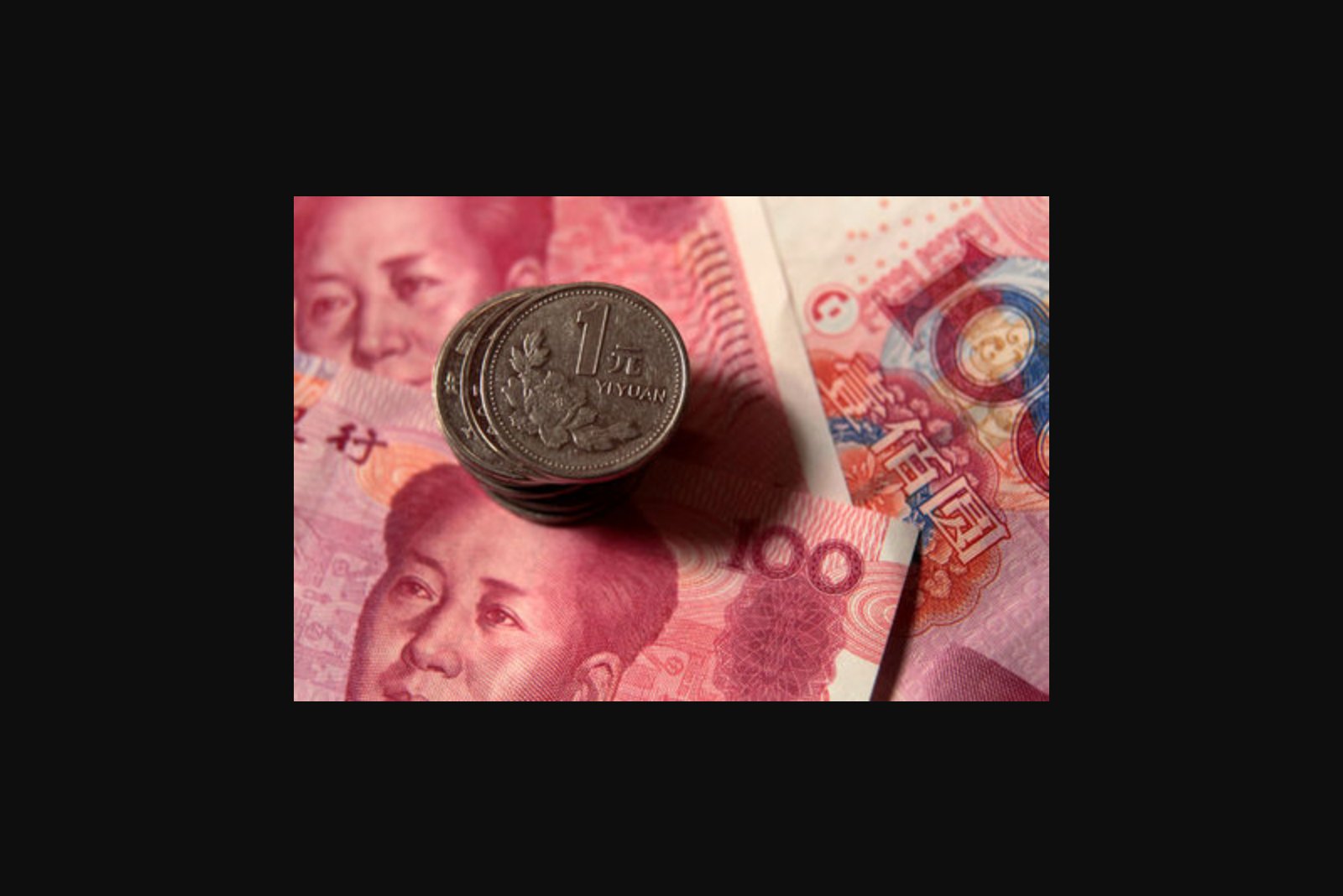
In China, the onshore USD/CNY pair edged down about 0.2% on Tuesday. The People's Bank of China left both its one-year and five-year loan prime rates unchanged, a decision that matched market expectations and signalled a steady, measured approach to supporting growth while managing financial risks. Chinese financial markets resumed trading on Tuesday following the Lunar New Year holiday.
Taken together, the moves reflected a market that is alert to policy signals and trade-related headlines but not yet prepared to drive large directional shifts in Asian currency markets. Investors remain watchful for further developments on tariffs and any follow-up policy steps from central banks that could alter rate expectations or risk sentiment.