
Asian foreign exchange markets were largely subdued on Wednesday as holiday-thinned liquidity kept currency moves muted across the region. Major hubs including mainland China and Hong Kong were closed for Lunar New Year observances, leaving trading volumes light and limiting volatility despite modest shifts in broader dollar trade ahead of key US data.
The US Dollar Index ticked up 0.1% after modest overnight gains, and US Dollar Index Futures were also trading 0.1% higher as of 04:01 GMT.
RBNZ decision weakens the kiwi
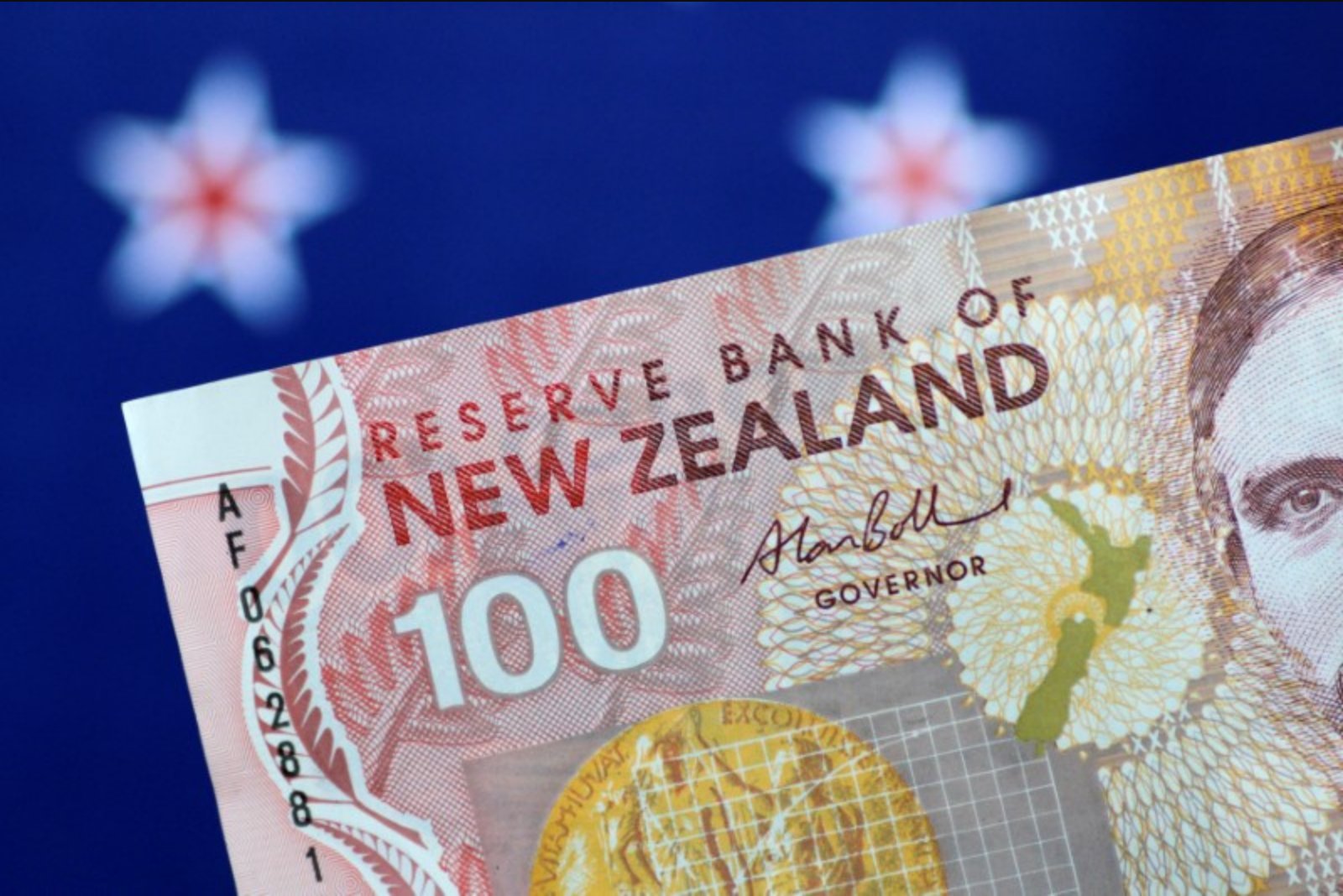
The New Zealand dollar was the clearest casualty of the day, with NZD/USD sliding nearly 1% following the Reserve Bank of New Zealand's decision to hold its official cash rate at 2.25%. The central bank reiterated that policy would remain supportive while inflation moves back toward target.
In its commentary, the RBNZ said it expects price growth to fall toward the 2% midpoint over the next year amid spare capacity and modest wage pressures. Those signals prompted markets to dial back near-term tightening bets, pushing expectations for the first hikes further into late 2026.
Responding to the RBNZ's tone, Westpac analysts wrote: "The generally dovish tone significantly moves the balance of risk away from an earlier start to the tightening cycle." They added: "We continue to expect that there will be no further policy easing this cycle and that the RBNZ will begin to raise the OCR from the December 2026 meeting."
Regional flows and data
Japan published trade figures for January showing a stronger-than-expected performance on exports, which rose 16.8% year-on-year. Imports fell over the same period, leaving a trade deficit of 1.15 trillion yen, smaller than many markets had anticipated. In foreign exchange terms, USD/JPY moved modestly higher, edging up about 0.1%.
Elsewhere across Asian markets, currency pairs were generally range-bound as investors awaited the minutes from the US Federal Reserve's January meeting, scheduled for later on Wednesday, and the US personal consumption expenditures price index due on Friday. Those US releases are expected to provide fresh signals about the global interest-rate outlook.
- USD/KRW traded flat on the session.
- USD/SGD gained roughly 0.1%.
- USD/CNH, the offshore Chinese yuan, was largely unchanged.
- USD/INR rose marginally.
- AUD/USD dipped about 0.2%.
With major Asian bourses partially or fully offline for the holiday, investors were cautious about initiating large directional positions, which contributed to the muted action across most currency pairs.
Market implications
The combination of the RBNZ's accommodative messaging, holiday-thinned liquidity and upcoming US data leaves Asian currency markets in a holding pattern. Participants remain attentive to central bank cues and US inflation information that could shift rate expectations and reignite currency volatility when normal trading resumes.