
Most Asian currency units moved lower on Thursday, pressured by a firmer U.S. dollar and renewed risk aversion as fighting in the Middle East showed few signs of de-escalation. A sharp rise in oil prices this week added to investor caution by raising concerns about trade balances and inflation across energy-importing economies.
The US Dollar Index climbed about 0.2% after it had slipped nearly 0.3% overnight; the index had already posted two strong sessions earlier in the week. Futures on the US Dollar Index were trading roughly 0.3% higher as of 23:34 ET (04:34 GMT).
Geopolitical strain and oil price spike
Sentiment remained fragile as the conflict in the Middle East, which began last Friday when the U.S. and Israel launched major strikes on Iran, continued to widen. Market participants expressed heightened concern after the U.S. sank an Iranian warship near Sri Lanka in international waters on Wednesday. The incident intensified worries that hostilities could extend beyond the Persian Gulf and imperil vital shipping routes.
Traders are closely watching moves around the Strait of Hormuz, a critical chokepoint for global oil flows, amid the possibility of disrupted crude shipments through the narrow passage. Oil prices have surged sharply this week, a development that carries particular significance for many Asian economies that are net importers of energy. For those economies, higher crude can worsen trade balances and lift inflationary pressures, which in turn tends to weigh on local currencies.
Currency moves across the region
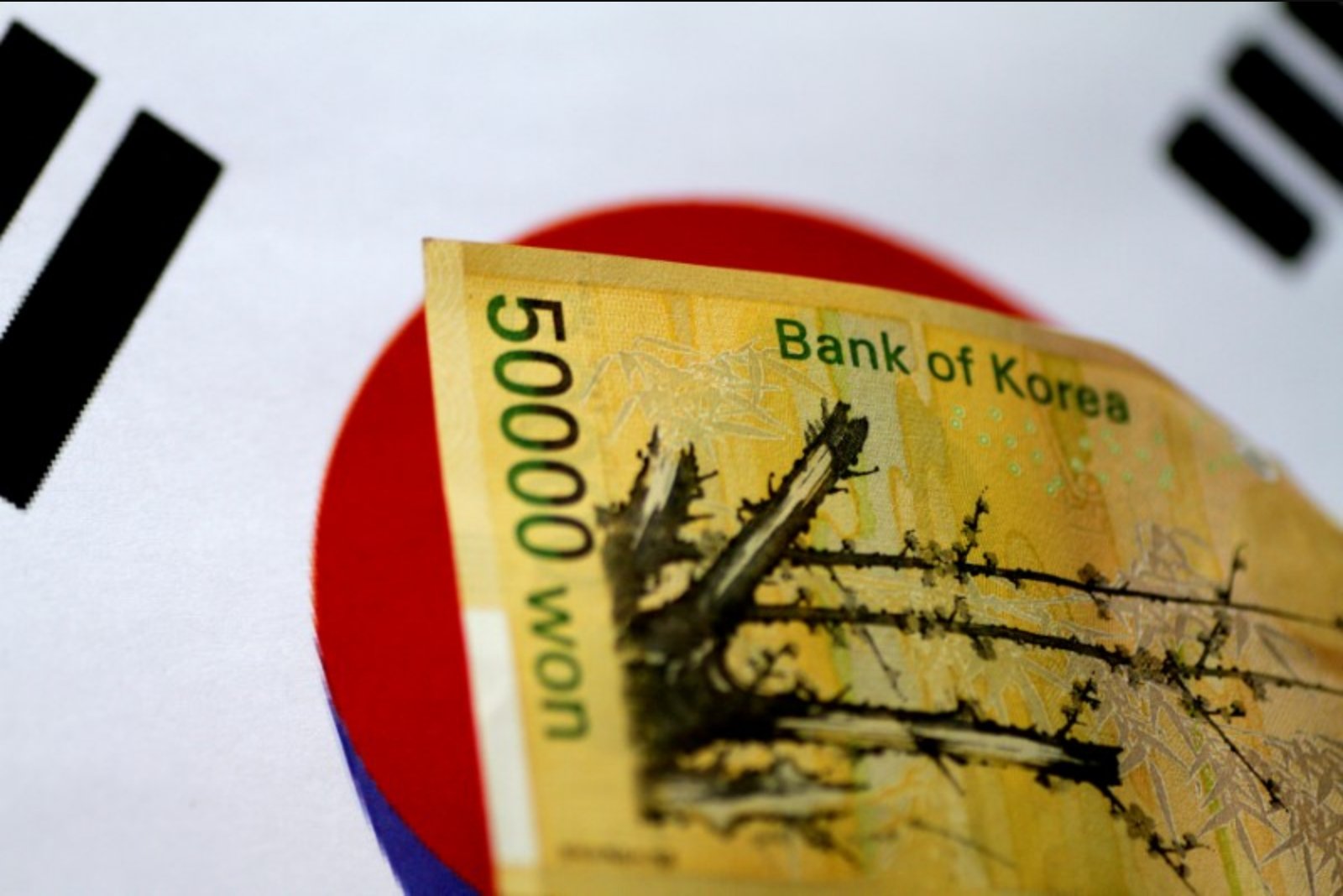
The South Korean won saw its USD/KRW pair rise 0.4% on Thursday. The Japanese yen traded largely unchanged against the dollar, with USD/JPY flat for the session. The Singapore dollar weakened slightly, with USD/SGD edging 0.2% higher.
India’s rupee diverged from the regional weakening, recovering after plunging to a record low in the prior session when surging oil prices triggered heavy selling. The USD/INR pair slipped 0.6% to 91.57 rupees, after reaching a record high of 92.31 rupees on Wednesday. Market participants attributed the rebound to mild dollar inflows and potential intervention or support from the Reserve Bank of India.
On the Chinese front, the onshore USD/CNY pair moved down about 0.1%, while the offshore USD/CNH was little changed. Authorities in Beijing indicated a 2026 economic growth target of about 4.5% to 5% - a modest reduction after three consecutive years of "around 5%" targets. Analysts cited in market commentary said the softer target reflects a desire for growth stability while signalling reluctance to rely heavily on fresh stimulus measures.
Elsewhere, Australian data showed the nation’s trade surplus narrowed in January. The Australian dollar reflected that development and broader regional headwinds, with AUD/USD slipping 0.3%.
Market implications
Higher oil costs and persistent geopolitical risk have the potential to amplify currency volatility across Asia, particularly for countries that are net energy importers. Moves in FX rates are likely to influence inflation trajectories and trade balances, both key variables for monetary authorities and market participants assessing sovereign and corporate exposures to external shocks.