
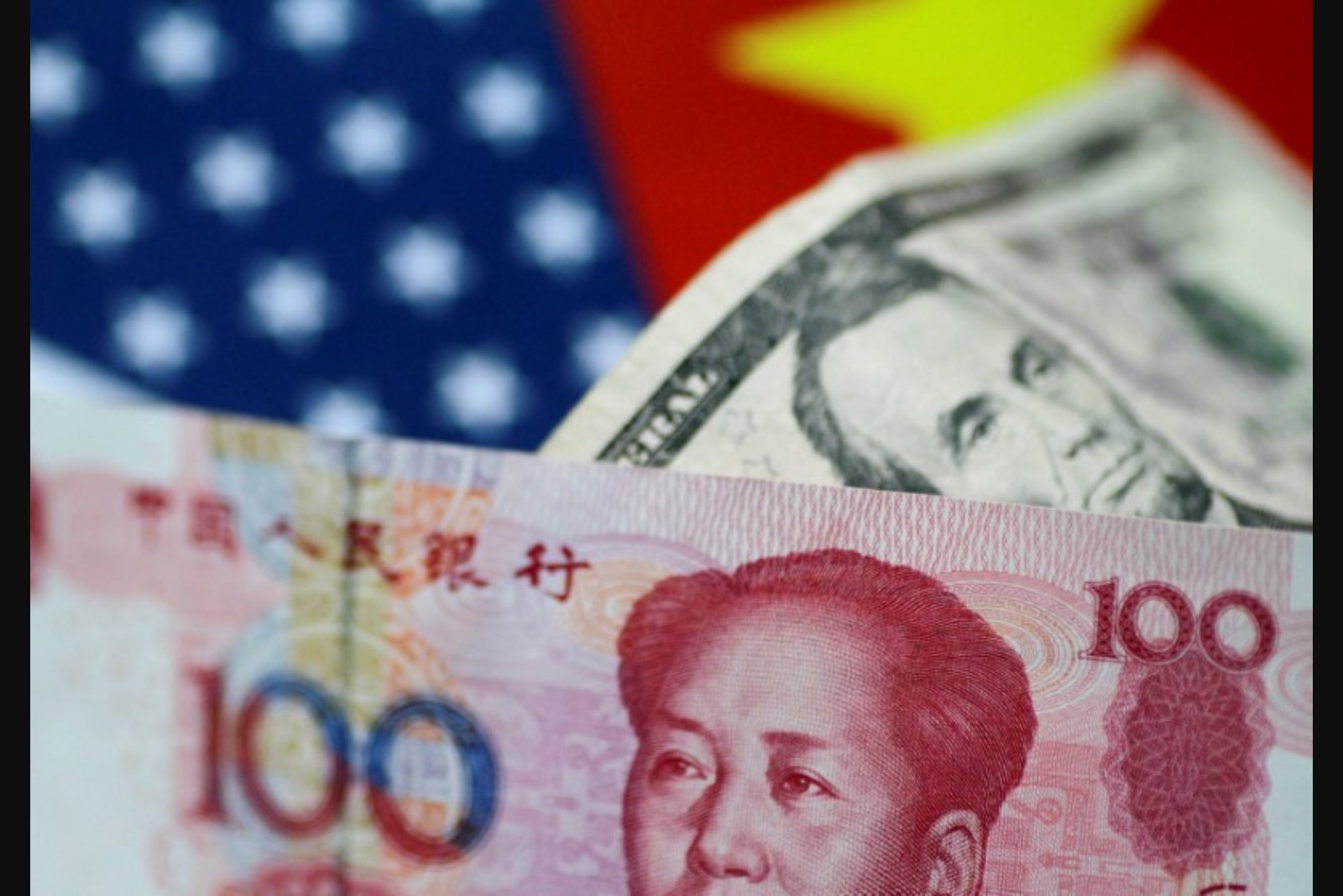
Asian currencies slid on Monday as the U.S. dollar reached its highest level in roughly three months, driven by safe-haven flows and a sharp rise in oil after a series of strikes on oil-related targets in the Middle East. The moves reflected investor concern about disruptions to crude supplies, particularly in routes that serve Asia.
Dollar and oil move sharply
The dollar index and related futures gained about 0.6% each in Asian trading, marking their strongest readings since late November. The greenback benefited from heightened demand for safe assets as geopolitical tensions intensified, and gains were reinforced by a sudden jump in oil prices.
Oil prices surged as much as 30%, climbing well beyond the $100-per-barrel mark and approaching levels last seen at the start of the Russia-Ukraine conflict in 2022. The recent escalation included Israeli and U.S. airstrikes on Iranian oil facilities over the weekend, followed by Iranian missile strikes targeting oil infrastructure in several Middle Eastern countries. In addition, reports indicated Iran struck vessels in the Strait of Hormuz, effectively blocking the channel and raising the prospect of supply interruptions for many Asian importers.
Broad weakness across Asian FX
Regional currencies were widely pressured by rising oil and the accompanying risk-off sentiment. The Japanese yen weakened with USD/JPY jumping nearly 0.7%. South Korea's won also saw pronounced losses, with USD/KRW rising nearly 0.9%. Both currencies moved lower in tandem with significant declines in their respective equity markets.
Wage data in Japan for January showed a stronger-than-expected increase in wages, a development that could support medium-term inflation expectations, but that data provided little refuge for the yen amid the broader market shock.
Elsewhere, the Australian dollar - often used as a proxy for Asian risk appetite - fell roughly 0.5% against the dollar. The Indian rupee slipped beyond the 92 per dollar mark as USD/INR rose about 0.6%, and the Singapore dollar weakened with USD/SGD up around 0.3%.
Yuan softens despite hotter consumer inflation
China's currency moved weaker, with USD/CNY climbing about 0.35% and pushing past the 6.9 level. The yuan's pressure was compounded by a softer midpoint fixing from the People's Bank of China.
Chinese consumer price index inflation increased 1.3% year-on-year in February, according to government figures, outpacing expectations of 0.9% and marking the fastest CPI growth in three years. The acceleration was attributed largely to stronger spending over the extended Lunar New Year holiday, which lifted demand for travel, services and discretionary goods.
However, producer prices remained in contraction, leaving markets attentive to whether the consumer-led upturn will persist beyond the holiday period and translate into broader inflationary momentum.
OCBC analysts commented that China appeared relatively insulated from immediate oil supply disruptions. They added that, if oil prices remain elevated for an extended period, they could help sustain domestic inflationary pressures - with particular risk to producer prices.
Market participants and policymakers will be watching whether the supply-side shock to oil is transitory or prolonged, and how that interacts with inflation trends across the region. For now, the combination of a firmer dollar and a sharp oil rally has amplified downside pressure on Asian currencies and heightened volatility in regional markets.