
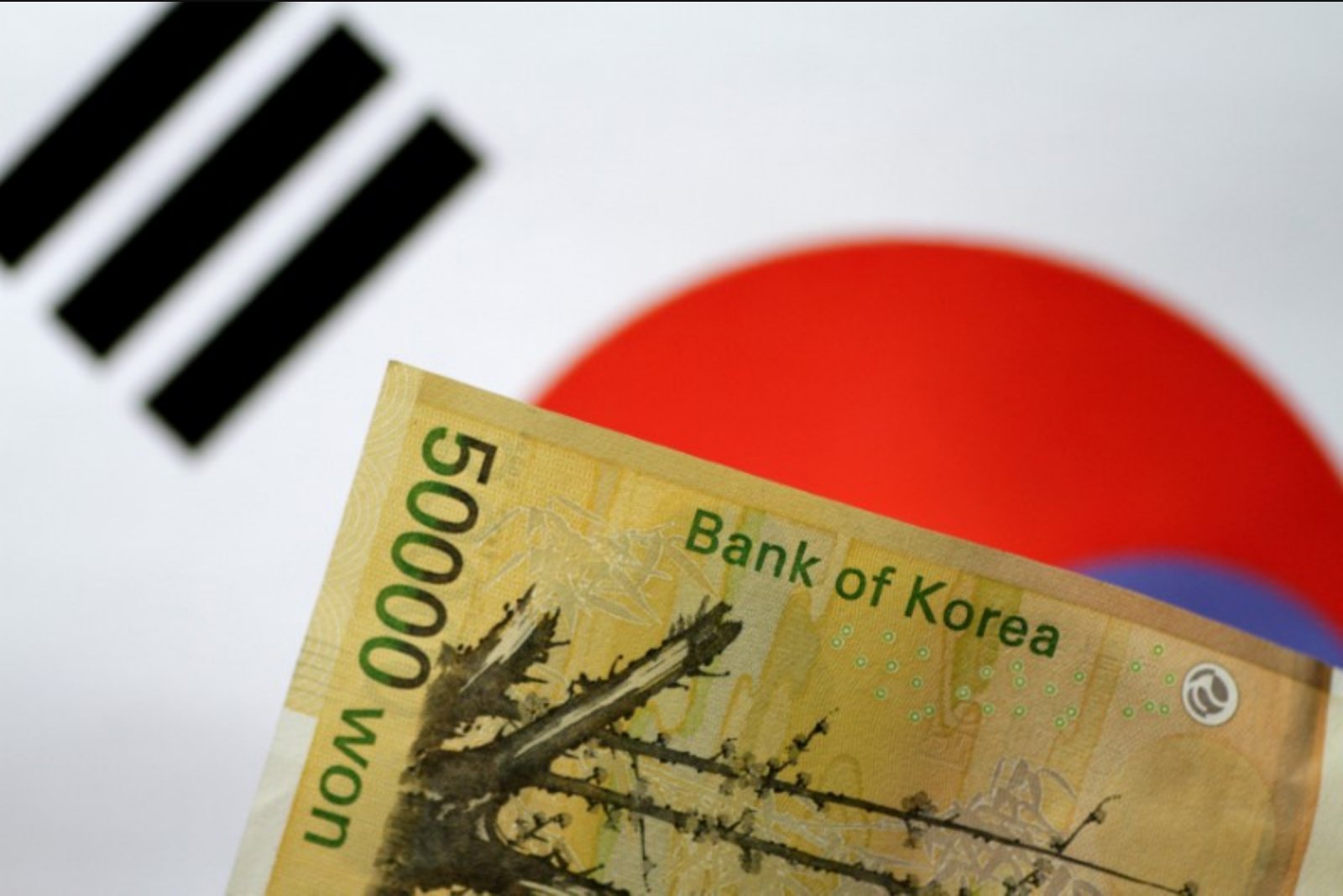
Most Asian currencies moved lower in the first trading session after the United States and Israel conducted significant strikes on Iran, triggering a swift global risk-off reaction and boosting demand for safe-haven assets.
The South Korean won recorded the largest decline within the region, as market participants weighed the country's heavy reliance on imported energy and the potential for sharper oil-driven strain on its economy. The USD/KRW rate rose about 1% in the session, marking the most pronounced move among the major Asian pairs.
The US Dollar Index climbed roughly 0.2% in Asian hours, following a larger early jump as investors sought protection. US Dollar Index futures were also trading about 0.2% higher as of 22:45 ET (03:45 GMT).
Military strikes and a spike in oil
According to the available account of events, the United States and Israel carried out strikes on Iran over the weekend that killed Supreme Leader Ali Khamenei. Iran retaliated with missile and drone strikes against U.S. and Israeli positions across the Gulf and the wider Middle East, raising market fears of a broader conflict. The situation intensified further after Israel launched a fresh round of strikes on Tehran on Sunday, and Iran replied with additional missile barrages. U.S. President Donald Trump indicated that strikes would continue "for as long as necessary," suggesting the prospect of a prolonged episode of instability.
Those developments sent oil prices to multi-month highs on concerns about potential supply disruptions in the Gulf and interruptions to shipping through the Strait of Hormuz, a crucial channel for global crude flows. The resulting jump in energy costs placed particular strain on currencies of net oil importers across Asia.
Market reactions by currency
- The South Korean won weakened most markedly, with USD/KRW up about 1% as traders factored in elevated energy risk and KRW's historically higher beta to risk moves.
- The Indian rupee saw USD/INR rise roughly 0.3%.
- The Singapore dollar moved weaker, with USD/SGD gaining around 0.2%.
- The Japanese yen edged up against the dollar, with USD/JPY rising about 0.2% as safe-haven flows limited the yen's losses.
- China's onshore and offshore yuan pairs also firmed versus the dollar by about 0.2% for USD/CNY and 0.1% for USD/CNH, remaining slightly above recent 34-month lows recorded last week.
In contrast, the Australian and New Zealand dollars recovered the bulk of their early declines. AUD/USD ended near unchanged after earlier slipping as much as 1.2%, while NZD/USD recouped nearly a 1% drop. Those recoveries reflected the relative insulation commodity exporters can have when crude prices move higher.
Analyst observations and market implications
Market commentary highlighted the vulnerability of net oil-importing Asian economies to sustained oil-price increases. One regional bank analyst noted that currencies such as the won, the rupee, and to some extent the Philippine peso carry heightened exposure given their links to oil imports and varying sensitivities to risk moves.
Overall, the session underscored how geopolitical shocks that threaten energy supplies and key maritime routes can quickly prompt a shift into safe-haven assets, lifting the dollar and pressuring a range of regional currencies. Commodity-exporting economies in the region showed some resilience as higher crude prices can act as a partial offset to currency weakness.